



Decode the Price Tag
Before you even enter a showroom, understand that the final price of jewellery is more than just the weight of the gold. The total cost is a sum of several components: the base gold value, making charges, and GST. The gold value depends on its purity
(karat) and the day's market rate, which fluctuates. Making charges are the costs of labour and design, and this is where you have the most room to save. Finally, GST is applied to both the gold value (at 3%) and the making charges (at 5%), so these fees add up. Always ask for a detailed bill that breaks down each of these costs transparently.
Focus on Purity and Hallmarking
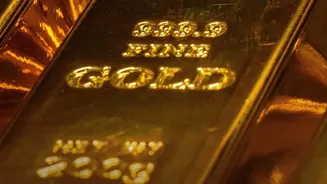
The purity of gold is measured in karats. While 24K is 99.9% pure gold, it's too soft for most jewellery. That’s why 22K gold, also known as '916 gold' (meaning it contains 91.6% pure gold), is the standard for traditional Indian jewellery. To ensure you're getting what you pay for, always buy jewellery that is hallmarked by the Bureau of Indian Standards (BIS). A BIS hallmark is a guarantee of purity and includes the BIS logo, the purity grade (e.g., 22K916), and a unique six-digit alphanumeric code called an HUID. Buying hallmarked gold protects your investment and is crucial for resale or exchange later.
Negotiate the Making Charges
Making charges are the most variable part of a gold bill and offer the biggest opportunity for savings. These charges can range from 6% to over 25% of the gold's value, depending on whether the piece is machine-made or a complex handcrafted design. Don't hesitate to negotiate these charges, as many jewellers are willing to offer a discount to secure a sale. It's often better to compare these charges as a flat rate per gram rather than a percentage, as it gives you a clearer picture of the cost. Visiting a few different jewellers to compare their making charges for similar items can lead to significant savings.
Choose Designs Wisely
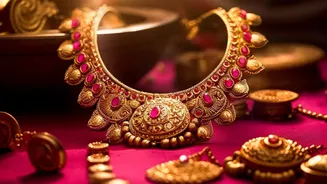
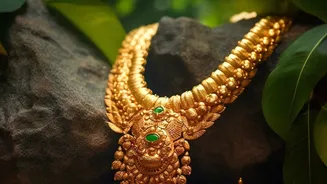
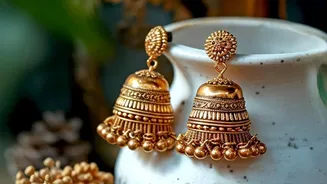
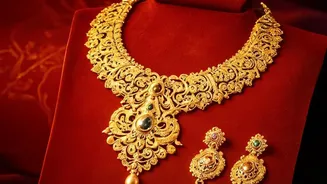
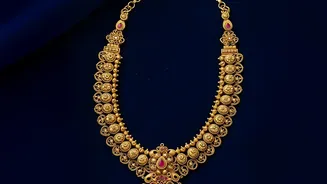
Intricate, handcrafted designs naturally come with higher making charges due to the skilled labour involved. If your primary goal is investment with the added benefit of wearing it, opt for simpler, more classic designs. Machine-made jewellery like plain chains or bangles typically has lower making charges. Also, be mindful of jewellery studded with stones. While beautiful, the stones add to the cost, and their weight is often included in the total weight of the piece. When you sell the item, you may not get much value back for the stones themselves. For a budget-friendly purchase, prioritise pieces with a higher gold content over those with many stones.
Consider Gold Saving Schemes
Many major jewellers offer gold saving schemes that allow you to invest a fixed amount every month for a specific tenure, typically 10 to 12 months. At the end of the period, you can use the accumulated amount to buy jewellery. To make these schemes attractive, jewellers often offer a bonus, such as paying one instalment for you or providing a discount on the making charges. This is a disciplined way to plan a future purchase without feeling the pinch of a large, one-time payment, making it ideal for a planned festival buy.
Time Your Purchase Strategically
Gold prices are at their peak during major festivals like Diwali and Akshaya Tritiya due to high demand. While jewellers roll out festive offers during these times, the underlying gold rate might be higher. If you can, plan ahead and buy your gold during the off-season, which is typically in the months after major festival periods. Demand is lower, and you may find better deals and more willingness from jewellers to negotiate on making charges. Tracking daily gold rates through financial apps or websites can also help you identify a good time to buy.