





The Gains: Sanity-Saving Features to Look For
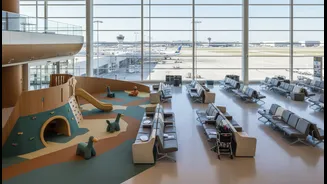
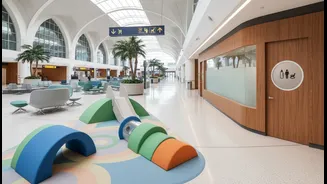
A growing number of airports worldwide are integrating amenities designed to make the journey smoother for parents and more enjoyable for kids. Features that were once rare luxuries are becoming welcome standards. Private nursing rooms and family restrooms
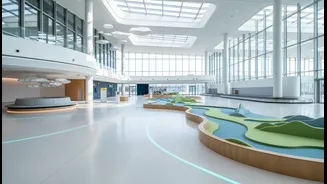
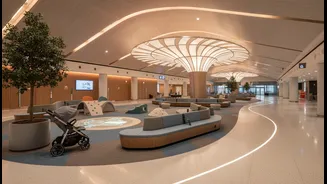
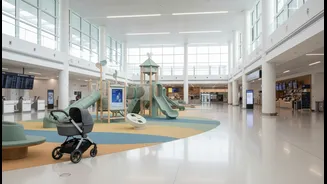
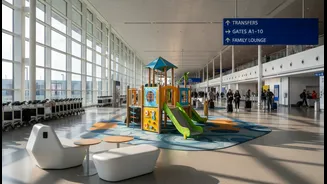
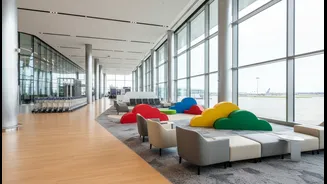
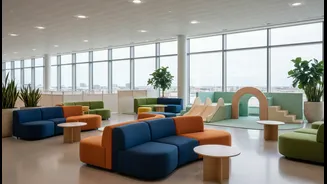
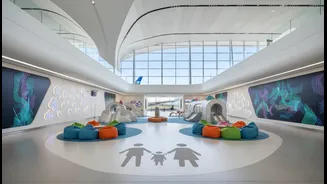
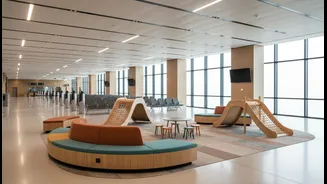
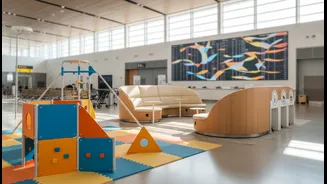
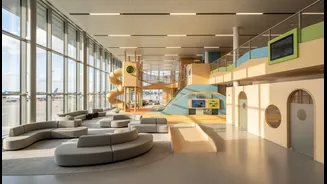
equipped with changing tables provide dignity and comfort. Some hubs, like Chicago O'Hare and Dallas-Fort Worth, have dedicated family lounges with comfortable seating and stroller parking. Perhaps the most celebrated additions are the children's play areas. These zones are crucial, allowing kids to burn off pre-flight energy in a safe, contained environment, which can make all the difference on a long-haul flight.
Streamlining Stressful Choke Points
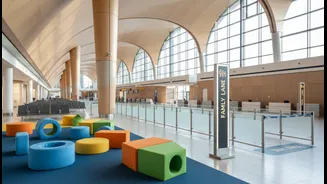
The security check is often the most stressful part of the airport experience for families. Juggling strollers, car seats, and anxious toddlers while unpacking electronics is a familiar nightmare. In response, many airports are implementing dedicated family security lanes. These lanes are designed to give families more space and time, reducing the pressure from impatient fellow travelers. The goal, as outlined by the TSA's "Families on the Fly" initiative, is to create a more supportive and efficient screening process for those managing young children and their extra gear. This small change alone can significantly lower the tension, allowing parents to focus on their kids instead of feeling rushed.
What Still Needs Checking: The Gaps in Service
Despite progress, significant inconsistencies remain. A key issue is that family-friendly amenities are not universal. While one airport might boast multiple play areas, another on the same itinerary might have none. This unpredictability makes planning difficult. Furthermore, many facilities cater primarily to infants and toddlers, leaving older children and teenagers with few engaging options beyond pricey airport shops or their own devices. Another major challenge is the sheer distance within large terminals. Long walks from security to a distant gate, often without adequate seating or facilities along the way, can be exhausting for little legs and the parents carrying them. More accessible water fountains, healthier food options, and family restrooms throughout the entire terminal, not just in one central location, are frequently cited needs.
The Next Frontier: Truly Inclusive Design
The future of family-friendly airports lies in moving beyond isolated perks and embracing universal design. This means creating spaces that are inherently easier for everyone to navigate, not just families. Bathrooms with larger stalls to accommodate a parent, a child, and luggage would benefit all travelers. Clear, intuitive wayfinding reduces confusion for everyone, while more seating along concourses helps not only families but also elderly passengers and those with mobility issues. Some experts argue for incorporating natural elements like small indoor gardens, which can have a calming effect on stressed travelers of all ages. Ultimately, an airport designed to be easy for a family with a toddler is an airport that's easier and more pleasant for everyone.