




What Exactly Is a Cool Roof?
Imagine wearing a black shirt on a sunny day versus a white one. The white shirt keeps you cooler because it reflects sunlight, while the black one absorbs it. A cool roof works on the same principle. It’s a roof treated with a special coating or made
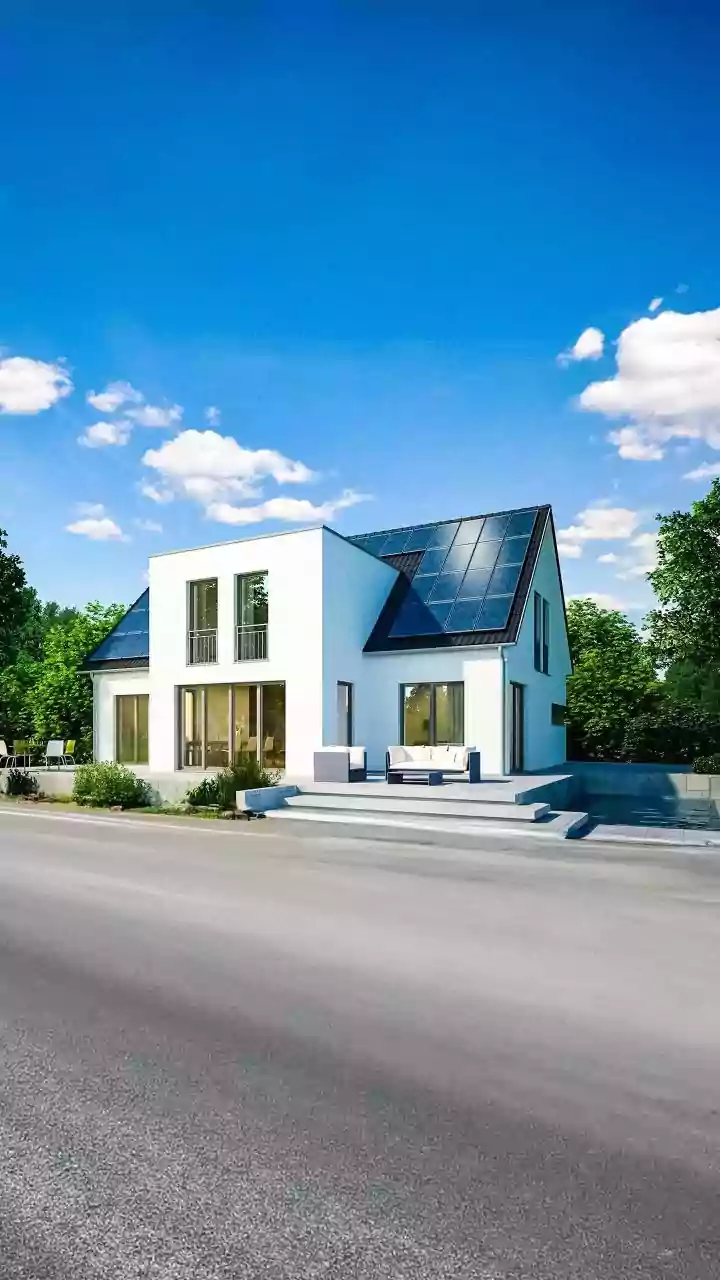
from materials that have high solar reflectance (the ability to reflect sunlight) and high thermal emittance (the ability to release absorbed heat). Instead of absorbing the sun’s intense radiation and heating up the building below, a cool roof bounces that energy back into the atmosphere. This can make the roof’s surface up to 30°C cooler than a conventional dark roof on a hot day, significantly lowering the temperature inside.
Fighting the Urban Heat Island Effect
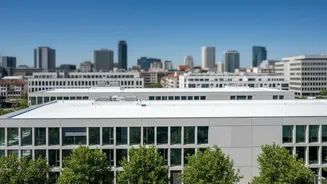
Our cities are getting hotter not just because of climate change, but due to the “urban heat island” effect. Dense clusters of buildings, concrete roads, and dark-coloured roofs absorb and retain far more heat than natural landscapes. This can make urban areas several degrees hotter than surrounding rural areas. Reflective coatings are a direct countermeasure. By covering large surface areas like rooftops with reflective materials, cities can reduce the amount of heat they trap. When adopted on a wide scale, this doesn't just cool individual buildings; it can lower the ambient temperature of entire neighbourhoods, mitigating the overall heat island effect and even improving local air quality by slowing the formation of smog.
Why the Sudden Surge in India?
The push for cool roofs in India is driven by a combination of policy, necessity, and proven results. In 2023, Telangana became the first state in India to launch a formal Cool Roof Policy, mandating them for all new government, commercial, and large residential buildings. The five-year plan aims to cover 300 square kilometres of roof area by 2028, with a significant portion in Hyderabad. This landmark policy was built on the success of pilot programs in cities like Ahmedabad, which began implementing cool roof initiatives after a deadly heatwave in 2010. In Ahmedabad, projects focused on low-income communities showed that painting roofs with reflective coatings could lower indoor temperatures by 2°C to 5°C, providing life-saving relief for vulnerable residents. These successes have inspired similar initiatives in Delhi, Surat, and Bhopal, often driven by organisations like the Mahila Housing Trust.
The Tangible Benefits for Residents
For the average person, the benefits of a cool roof are immediate and tangible. The most obvious is increased comfort. A cooler home is especially critical for those without access to air conditioning. For those who do have AC, the energy savings can be substantial. Studies suggest that cool roofs can reduce the energy needed for cooling by 10-30%. This translates directly into lower electricity bills, with some estimates showing a potential 15-24% reduction in AC costs during summer months. Beyond comfort and cost savings, these coatings also protect the roof itself from UV damage and thermal stress, potentially extending its lifespan and reducing maintenance needs.
Are There Any Downsides?
While highly effective, reflective coatings are not a one-size-fits-all solution. The primary drawback can be the upfront cost, although many see a return on investment through energy savings within a few years. The effectiveness also depends on the climate; they offer the most significant benefits in hot, sunny regions. In colder climates, a reflective roof might slightly increase heating costs in the winter, though for most of India, the summer cooling savings far outweigh this. Proper application is also key. The roof surface must be thoroughly cleaned and repaired before the coating is applied to ensure it adheres properly and performs as expected. Finally, light-coloured roofs can be susceptible to mould or algae in very damp climates if not maintained.