





The Temptation of the First Shower
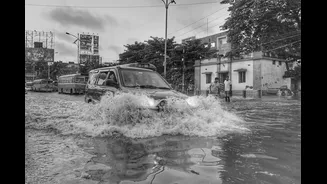
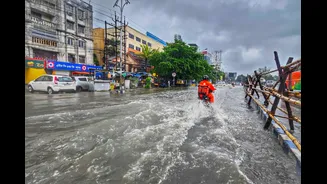
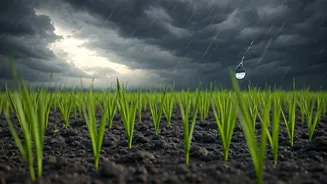
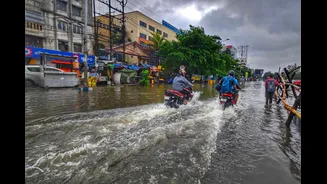
For generations, the arrival of the monsoon has been the most important event on the Indian agricultural calendar. The sight of dark clouds and the first drops of rain trigger an immediate, almost instinctual response: prepare the fields and sow the seeds.
This urgency is understandable. A timely start can mean the difference between a bumper crop and a failed season. Every day of delay feels like a missed opportunity, especially with the economic pressures farmers face. This traditional wisdom, honed over centuries, is built on observation and a deep connection to nature's cycles. However, with climate patterns becoming increasingly erratic, what was once a reliable signal is now fraught with uncertainty.
The Danger of a False Start
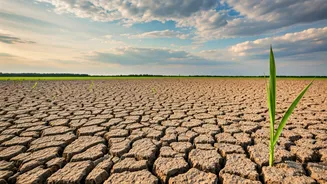
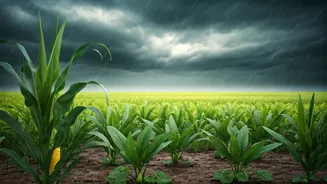
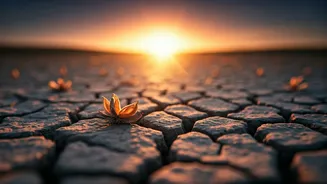
The primary risk of sowing immediately after the initial showers is the phenomenon of a 'false monsoon' or a weak onset. These are preliminary rains that are not followed by the consistent, widespread precipitation needed to sustain a young crop. When farmers sow their seeds based on these first showers, a dangerous chain of events can unfold. The seeds may germinate in the temporarily moist soil, but if a dry spell of a week or more follows, the delicate seedlings will wither and die from moisture stress. This leads to a devastating outcome: the farmer loses not only the expensive seeds but also the cost of labour and fertilisers. They are then forced into 'contingent sowing'—re-planting crops, often at a higher cost and with a compressed timeline, which puts the entire season's profitability at risk.
The Rise of the Digital Agronomist
This is where 'digital experts' are changing the game. These are not individuals in a far-off lab but the intelligence embedded in modern agritech platforms, accessible via a simple smartphone app. These platforms synthesise vast amounts of data that go far beyond what the naked eye can see. They use hyper-local weather forecasting models powered by artificial intelligence, analyse satellite imagery to assess ground conditions, and sometimes integrate data from on-ground soil moisture sensors. Instead of just telling a farmer 'it might rain tomorrow,' these digital agronomists provide a comprehensive analysis. They predict the quantity of rainfall, its likely duration over several days, and the probability of a follow-up dry spell. This data-driven approach transforms sowing from a hopeful gamble into a calculated, strategic decision.
How to Read the New Signals
So, what specific advice are these digital tools giving? They often recommend waiting until the region has received a certain threshold of rain—for example, 20-25mm spread over a few consecutive days—that ensures deep soil moisture. This guarantees that even if a short dry period follows, the seedlings have enough water reserves to survive. Farmers using these services receive alerts and advisories that might say, "Initial showers expected, but a dry spell is forecast for next week. Recommended sowing window opens in 7 days." This advice helps them distinguish between a fleeting shower and the true, sustained onset of the monsoon. By translating complex meteorological data into simple, actionable guidance, these platforms empower farmers to mitigate one of their biggest climatic risks.
Embracing a Smarter Farming Calendar
Adopting this patient, data-backed approach marks a significant evolution from the traditional farming calendar. It requires a mental shift from reacting to the first rains to proactively managing risk based on forecasts. While some may be hesitant to trust an app over generations of experience, the increasing frequency of erratic monsoons is making a powerful case for technology. Agritech companies are working to build trust through pilot programmes, local language support, and proven results. Farmers who have successfully used these tools to avoid the trap of a false start become the most powerful advocates. This isn't about abandoning traditional knowledge but augmenting it with the power of 21st-century technology to create a more resilient and sustainable agricultural future.