





First Steps When You Get Home
The moment you step indoors, your priority should be to get your feet and shoes dry. Take off your wet shoes and socks immediately. Leaving them on creates a warm, moist environment that is a perfect breeding ground for bacteria and fungi, which can lead
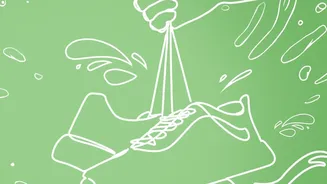
to athlete's foot and unpleasant odours. Wipe down your shoes with a cloth to remove any surface mud or grime. Then, take a few minutes to properly wash your feet with soap and warm water, paying close attention to the spaces between your toes. Dry your feet thoroughly with a clean towel. This simple act is your first line of defence against common monsoon-related foot problems.
Drying Your Shoes The Right Way
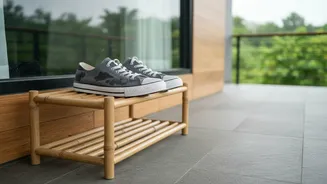
Patience is key when drying shoes. Never use direct, intense heat from a hairdryer, radiator, or oven, as this can cause materials like leather to crack and glue to dissolve, permanently damaging your shoes. The safest and most effective method is to air dry them in a well-ventilated area. To speed up the process, start by removing the insoles and loosening the laces to open up the shoe and improve airflow. Stuff the shoes tightly with crumpled newspaper, which is highly absorbent. For very wet shoes, you may need to replace the damp newspaper every few hours. Placing the shoes near a fan or in a room with a dehumidifier can also significantly cut down on drying time without causing harm.
Banish Bad Odours
Wet shoes often develop a stubborn, musty smell caused by bacteria. Preventing this starts with drying them as quickly and thoroughly as possible. Letting them sit in a damp, dark corner is an invitation for mould and bad smells to develop. Once the shoes are completely dry, you can tackle any lingering odours. Sprinkling a small amount of baking soda or an antifungal powder inside and letting it sit overnight can help absorb smells and residual moisture. Simply shake out the excess powder before you wear them again. For persistent issues, using a specialised shoe deodorant spray can also be effective.
Don't Forget Your Feet
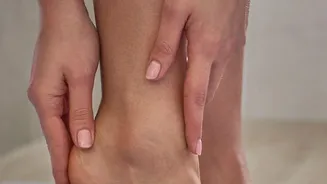
Caring for your feet is just as important as caring for your shoes. After washing and drying them, consider applying an antifungal powder, especially between the toes, to absorb any lingering moisture and prevent infections like athlete's foot. If you're prone to sweaty feet, this is a crucial step. It's also a good idea to exfoliate your feet with a pumice stone once or twice a week to remove dead skin, which can trap bacteria. Keep your toenails trimmed to prevent dirt from accumulating underneath them. Finally, while moisturising is good for skin health, avoid applying thick lotions between your toes, as this can trap moisture.
Prepare For Next Time
A little preparation can make the next downpour much more manageable. If possible, have at least two pairs of everyday footwear that you can rotate. This ensures one pair has adequate time to dry completely before you need to wear it again. For leather or suede shoes, using a quality waterproofing spray can offer a protective barrier against moisture. For general monsoon use, opting for open, breathable footwear like sandals or rubber-based floaters allows your feet to dry quickly. Keeping an extra pair of dry socks at your workplace is also a simple but highly effective way to avoid spending hours in damp discomfort.