







From Isolated Fixes to Integrated Systems
For years, the approach to health was often fragmented. You were either a gym-goer, a yoga enthusiast, or someone who was strictly watching their diet. These elements were seen as separate pursuits. Today, a significant shift is underway. Indians are
no longer just buying wellness products; they are building wellness systems. This new approach recognizes that true health isn't achieved in silos. It's about the synergy between what you eat, how you move, your mental state, and how you rest. This evolution is driven by a growing understanding that preventive health is more effective and economical than curative care.
The New Rules of Nutrition
The conversation around food is no longer just about calories or cutting out sugar. It's becoming more nuanced, focusing on mindful eating, gut health, and aligning with natural cycles. People are increasingly interested in clean eating, seasonal foods, and plant-based diets. Traditional wisdom is making a comeback, with many incorporating herbal teas, turmeric, and ginger into their daily consumption. The focus is shifting from restrictive dieting to sustainable, nourishing eating patterns that support both physical energy and mental clarity, recognizing the profound link between our gut and our mood.
Movement for Longevity, Not Just Intensity
The era of high-intensity-only workouts is giving way to a more balanced view of physical activity. While gyms remain popular, there's a booming interest in practices like Pilates, functional fitness, and mobility training that focus on longevity and relieving the strains of a sedentary lifestyle. Yoga is evolving from a mere fitness activity into a tool for mental clarity and flexibility. The goal is consistency and sustainability, not just intensity. This looks like integrating short walks, simple stretching, or a few rounds of Surya Namaskar into the daily schedule, making movement a natural part of life rather than a chore to be completed.
Mental Fitness as a Daily Non-Negotiable
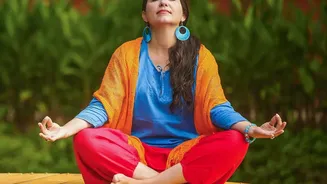
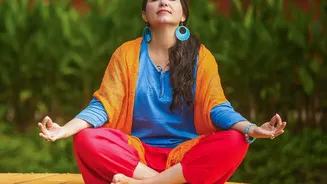
Perhaps the most critical shift is the mainstreaming of mental fitness. Mental well-being is now seen as an active practice, not something to be addressed only in a crisis. This has led to the rise of daily habits like mindfulness, meditation, and conscious digital detoxes. Even small, deliberate pauses during the workday are being recognized as crucial for resetting the nervous system. Practices like journaling, breathwork (pranayama), and spending time in nature are being woven into daily life to manage stress and improve emotional resilience.
Ancient Wisdom Meets Modern Life
This holistic trend is powerfully supported by a renewed interest in India's traditional healing systems. Ayurveda, once seen as an alternative, is now being integrated into modern daily routines for prevention and balance. Concepts like aligning with circadian rhythms (waking up with the sun) and personalized dosha-based diets are finding a modern audience. The integration of Ayurvedic practices like oil pulling or drinking herbal concoctions is no longer just a tradition but a conscious lifestyle choice aimed at achieving long-term, sustainable health. This blend of ancient wisdom and modern science is creating a unique, powerful, and personalized approach to wellness.