



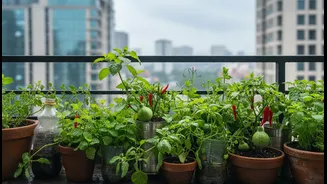


Why the Monsoon Changes Everything
During the monsoon, the rules of plant care shift dramatically. Constant rain and high humidity keep soil consistently moist, which might sound great but poses risks. With reduced sunlight, your plant's growth slows down because photosynthesis, its energy-making
process, is limited. At the same time, heavy rains can wash essential nutrients out of the soil, a process called leaching. This combination of slower growth and nutrient loss means your previous fertilizing routine is no longer effective and can even be harmful. The primary danger is that roots sitting in soggy, overly enriched soil are highly susceptible to root rot, a fungal disease that can quickly kill a plant.
The New Rule: Fertilize Less, Not More
It may seem counterintuitive, especially when rain is washing nutrients away, but the most important adjustment during the monsoon is to reduce fertilization. Since plants are growing more slowly, they can't use the same amount of nutrients they did in the sunny spring and summer months. Applying fertilizer at full strength or frequency can lead to a buildup of mineral salts in the soil, which can 'burn' the delicate roots. Instead of stopping completely, the goal is to feed your plants more gently. A good rule of thumb is to cut the frequency of your fertilizing schedule by half. If you were feeding them every two weeks, switch to once a month.
Switch to Monsoon-Friendly Fertilizers
The type of fertilizer you use also matters. During the rainy season, it's wise to switch from heavy granular formulas to lighter, more gentle options. Balanced liquid fertilizers, diluted to half-strength, are an excellent choice as they provide nutrients in a form that stressed plants can easily absorb without overwhelming them. Organic options are also highly recommended. Well-rotted vermicompost or other organic compost can be lightly mixed into the topsoil. These materials release nutrients slowly, improve soil structure, and are much less likely to cause root burn. Slow-release pellets are another good option for plants in the ground, as they release nutrients gradually over a longer period. Avoid high-nitrogen fertilizers, which encourage soft, weak growth that is more vulnerable to fungal attacks in damp conditions.
Learn to Spot Warning Signs
Your plants will tell you if your fertilizing schedule is off. Learning to read these signs is crucial for monsoon care. Signs of over-fertilization, or 'fertilizer burn', include brown, crispy tips or edges on leaves, yellowing of lower leaves, and a white, crusty salt buildup on the soil's surface or the pot's rim. If a plant is wilting even though the soil is wet, it's a major red flag for damaged roots. If you spot these signs, stop fertilizing immediately. You can help flush the excess salts out of the soil by watering the plant thoroughly with plain water until it drains freely from the bottom of the pot.
Beyond Fertilizer: A Holistic Checklist
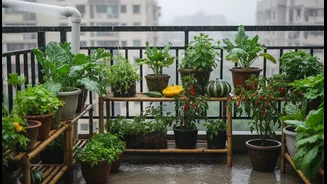
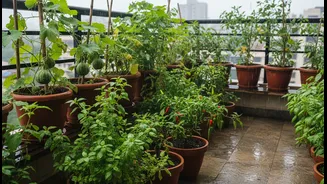
Fertilizing is just one part of a complete monsoon plant safety checklist. Proper drainage is the most critical element. Ensure every pot has clear drainage holes and consider placing pots on bricks or stands to prevent them from sitting in water. Using a well-draining potting mix with sand or cocopeat is essential to prevent waterlogging. Improve air circulation by pruning dense foliage and ensuring plants aren't too crowded. This helps leaves dry faster and reduces the risk of fungal diseases. Finally, always check the soil before watering. Don't assume your plants need water just because it's the monsoon; with high humidity, the soil can stay wet for days.