





The Purity Question: 24K vs. 22K
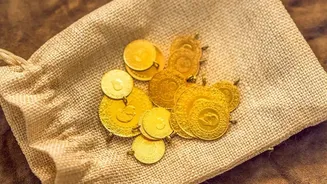
The first major difference lies in purity. Gold coins are typically struck in 24 Karat (24K) gold, which is 99.9% pure. This makes them the purest form of gold you can buy. Jewellery, on the other hand, is usually made from 22 Karat (22K) or 18 Karat (18K)
gold. 22K gold, for instance, is 91.6% pure (hence the '916' stamp) and is mixed with alloys like copper or silver to make it durable enough for intricate designs and daily wear. While 24K is the benchmark for value, 22K provides the strength needed for an item you can wear. Your choice here depends on whether you prioritise raw value or functional design.
The Cost Factor: Making Charges
This is where the financial difference becomes most stark. Jewellery comes with significant 'making charges', which cover the cost of craftsmanship. These can range anywhere from 8% to over 25% of the gold's value, depending on the complexity of the design. This is a sunk cost; you don't get it back when you sell. Gold coins, being machine-minted, have minimal making charges, often just 1-5%. From a pure investment standpoint, you get more gold for your money with coins because a smaller portion of your payment goes towards non-recoverable labour costs. Both forms of gold also attract a 3% Goods and Services Tax (GST) on the value of the gold, with an additional 5% GST often applied to the making charges on jewellery.
The Resale Equation: Getting Your Money Back
When it's time to liquidate your asset, coins almost always offer a better return. Since their value is based almost entirely on weight and purity, you can sell a gold coin for a price very close to the day's market rate. With jewellery, the story is different. The making charges you paid are completely lost. Furthermore, the jeweller will melt the piece to assess its exact purity, and may make deductions for wastage or impurities, potentially reducing the final value you receive by 10-15% or more. The liquidity of coins is generally higher as they are a standardised product, easily valued by any jeweller or bullion dealer.
The Goal: Investment vs. Tradition and Utility
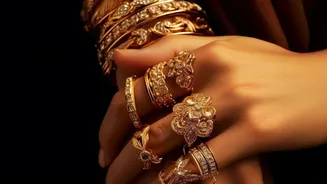
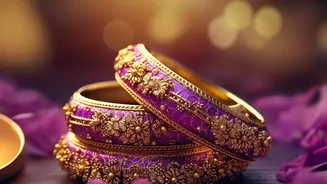
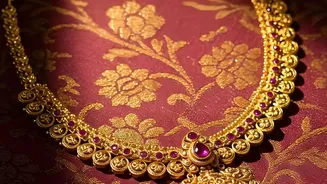
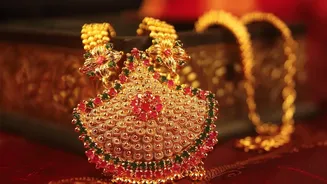
This is the most important consideration. If your primary goal is disciplined saving and long-term wealth creation, gold coins are the clear winner. They are a straightforward, low-cost way to accumulate gold as a pure financial asset. However, gold's role in India goes far beyond investment. For weddings, festivals, and gifting, jewellery holds immense cultural and emotional value. It is a wearable asset that signifies prosperity and tradition, something a coin in a locker cannot do. Buying jewellery for a wedding is a cultural practice that also serves as a form of financial security for the bride.
The Verdict for Your Specific Goal
So, which is right for you? It’s a simple trade-off between financial efficiency and personal utility. For Pure Investment: If you are buying gold to save for a long-term goal like retirement or a child's education, gold coins offer higher purity, lower costs, and better resale value. Your money is working more efficiently to accumulate wealth. For a Wedding or Major Occasion: Jewellery is often the non-negotiable choice. It fulfills a cultural and celebratory role that a coin cannot. While it's a less efficient investment, its value lies in its use and sentimental worth. The key is to be a smart buyer: negotiate making charges and always buy BIS-hallmarked pieces to ensure purity. For Gifting: For smaller gifts during festivals, coins can be a practical choice. They are available in small denominations like 1 gram and are seen as a pure offering of wealth. For more personal gifts, however, a piece of jewellery might be more meaningful.