






Embrace the Brightest Objects
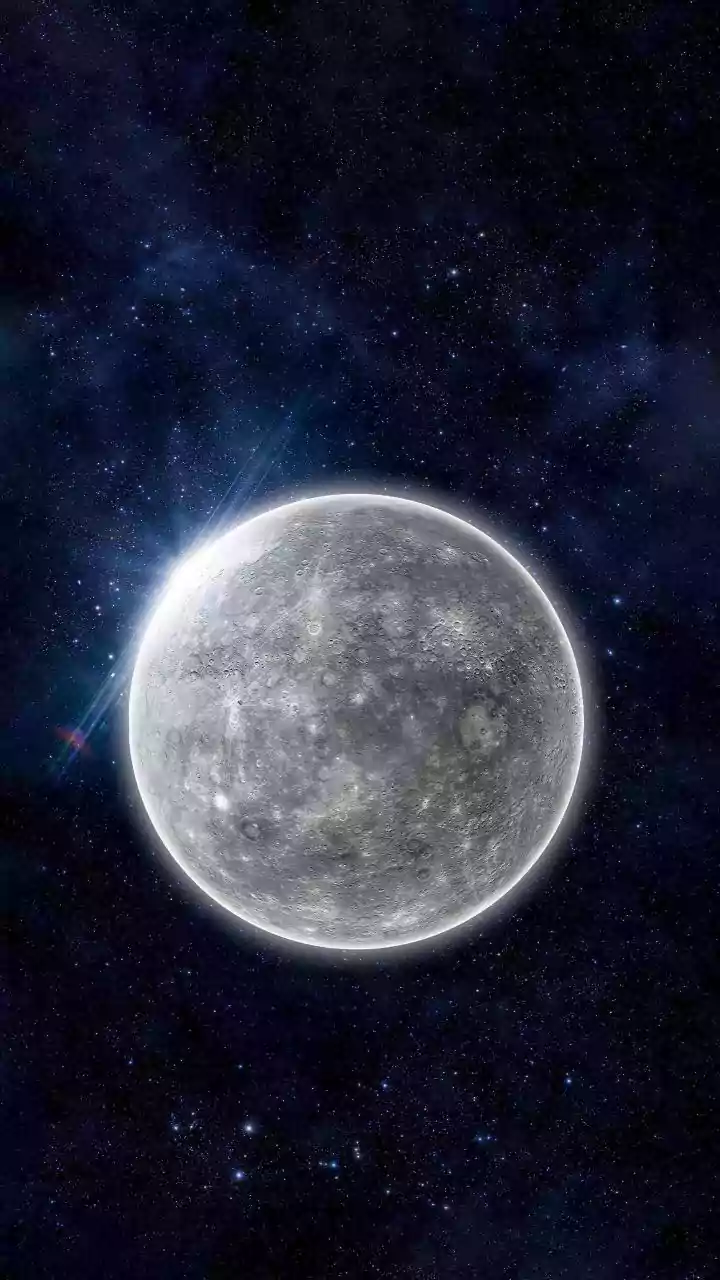
Forget hunting for faint nebulae from your rooftop in Mumbai or Delhi. Urban astronomy is about focusing on what can punch through the light pollution. The Moon is your most reliable and rewarding target. Its craters, seas, and mountains are spectacular
through even basic binoculars. Next, turn your attention to the planets. Venus, Jupiter, Mars, and Saturn are bright enough to be easily seen from most cities. Their steady, non-twinkling light makes them stand out from stars. Jupiter’s four Galilean moons and Saturn’s rings can be spotted with a small telescope, offering a genuine thrill from a city balcony.
Location, Location, Location
While you can’t escape a city’s overall skyglow, you can minimise direct glare. The key is to find a spot shielded from immediate light sources like streetlamps and building lights. A park, a rooftop with a high parapet, or even a backyard where a tree blocks a nearby light can make a surprising difference. The goal is to let your eyes adapt to the darkness, a process that takes about 20-30 minutes. Even a quick glance at your phone can reset your night vision, so experienced stargazers use red-filtered torches or apps with a red-light mode to preserve it.
Use Technology to Your Advantage
Your smartphone is one of the most powerful tools for urban stargazing. Apps like Stellarium, SkyView, and Star Walk 2 use your phone's location and sensors to create a real-time map of the sky. Point your device upwards, and the app will identify the stars, planets, and constellations you’re looking at, even if they're invisible to your naked eye. This is invaluable for learning the celestial map. Many apps also feature augmented reality (AR) overlays and calendars for celestial events like meteor showers or International Space Station passes.
Time Your Sessions Wisely
The when is as important as the where. The best time for stargazing is always around the New Moon, when the Moon's own light doesn't wash out the stars. In India, the seasons play a huge role. The clearest, most transparent skies are found in the post-monsoon period from October to November, when the rain has washed dust and pollutants from the air. The winter months (December to February) also offer clear, stable skies, though fog can be an issue in the Indo-Gangetic plain. Avoid the hazy, dusty pre-monsoon months of March to May if you can.
Consider the Right Equipment
You don't need an expensive telescope to start. A good pair of binoculars is often more practical for city viewing, offering a wide field of view that makes it easy to scan the sky and find objects. They are perfect for observing the Moon, star clusters, and Jupiter's moons. If you do use a telescope, a light pollution filter can be a game-changer. These filters screw onto your eyepiece and work by blocking the specific wavelengths of light emitted by common sodium and mercury-vapor streetlights, enhancing the contrast between celestial objects and the murky skyglow.