








1. Embrace Seasonal and Local Produce
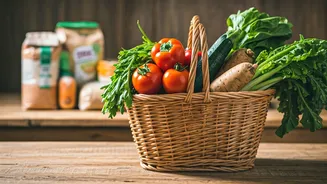
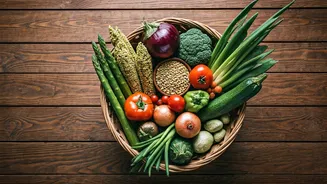
The single biggest shift you can make is to buy fruits and vegetables that are in season. When produce is abundant, its price drops significantly. Think mangoes in summer, oranges in winter, and leafy greens during the cooler months. Seasonal food is not
only cheaper but also fresher, more flavourful, and packed with more nutrients as it hasn't travelled long distances. Make friends with your local vegetable vendor (sabziwala) and ask what’s fresh and at a good price. They often have the best deals compared to large supermarkets.
2. Plan Your Meals for the Week
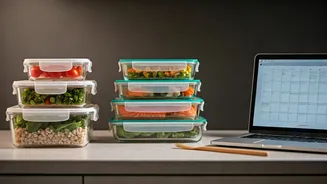
This is the 'planning' part of healthy food planning, and it's non-negotiable for saving money. Before you go shopping, sit down and map out your meals for the week—breakfast, lunch, and dinner. This simple act prevents impulse buys and ensures you purchase only what you need. A meal plan helps you use up ingredients across multiple dishes, reducing waste. For example, if you buy a large bunch of spinach, you can plan to use it in dal on Monday, a sabzi on Wednesday, and a smoothie on Friday. A clear plan is your best defence against expensive, last-minute takeaways.
3. Master the Art of Bulk Buying
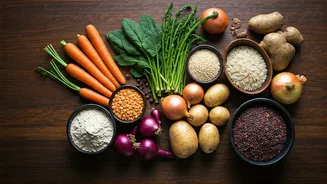
Not everything should be bought in bulk, but your pantry staples are a different story. Items with a long shelf life like rice, lentils (dals), chickpeas (chana), millets, and whole spices are significantly cheaper per kilogram when purchased in larger quantities. Dedicate a part of your monthly grocery budget to stocking up on these essentials. This ensures you always have the foundation for a healthy, home-cooked meal. Be cautious with perishable items or things you don't use often; buying them in bulk can lead to waste, defeating the purpose.
4. Don't Overlook Plant-Based Proteins
While lean meats and fish are healthy, they can also be the most expensive items on your grocery list. India’s culinary heritage is rich with affordable, protein-packed vegetarian options. Lentils, beans, chickpeas, tofu, and paneer are fantastic sources of protein that are gentle on your wallet. Incorporating a few meat-free days into your week can dramatically lower your food bills without compromising on your nutritional needs. A simple rajma-chawal or a mixed dal provides a complete protein and is incredibly satisfying.
5. Make Your Freezer Your Best Friend
The freezer is a powerful tool for budget-friendly eating. When you find a great deal on vegetables like peas, corn, or carrots, buy extra and freeze them. You can also blanch and freeze seasonal greens. Cooking in large batches—like a big pot of dal or a curry base—and freezing portions for later saves both time and money. It ensures you have a healthy, home-cooked meal ready to go on busy nights, steering you away from the temptation of ordering in. It’s also perfect for preserving leftovers that might otherwise be thrown away.
6. Reduce Food Waste to Zero
Throwing away food is like throwing away money. Before you shop, take an inventory of your fridge and pantry. Plan meals around what needs to be used up first. Get creative with leftovers: yesterday's sabzi can become a filling for a paratha or a sandwich today. Vegetable peels and ends (from carrots, onions, etc.) can be saved in the freezer to make a flavourful vegetable stock. Stale bread can be turned into croutons or breadcrumbs. Adopting a 'waste-not, want-not' mindset is fundamental to making your food budget stretch further.