







Understanding the 'October Heat'
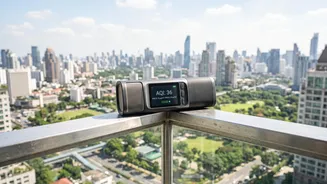
In many parts of India, the end of the monsoon doesn't bring immediate relief. Instead, it ushers in a period known as the 'October Heat'. This phenomenon is characterised by clear skies and a rise in temperature, but with high levels of moisture remaining
in the air. This combination of heat and humidity can feel particularly oppressive. Your body's primary cooling mechanism is sweating, but when the air is already saturated with moisture, sweat evaporates very slowly, or not at all. As a result, your body works harder, sweating more profusely to try and cool down, which can lead to significant fluid and mineral loss without providing much cooling relief.
What Exactly Are Electrolytes?
Electrolytes are essential minerals that carry an electric charge when dissolved in your body's fluids, like blood. These minerals include sodium, potassium, calcium, and magnesium, among others. They are not just fancy additions to sports drinks; they are critical for your body's basic operations. Electrolytes help regulate nerve and muscle function, maintain proper hydration by helping your cells absorb water, balance your body's pH levels, and support cardiovascular health. An imbalance, whether a deficiency or an excess, can lead to symptoms like muscle cramps, fatigue, dizziness, and weakness.
How Humidity Strips Away Minerals
When you sweat in the sticky, humid conditions of October, you're not just losing water. Sweat contains a significant amount of electrolytes, particularly sodium and potassium. Because the high humidity prevents efficient cooling through evaporation, your body's response is to sweat even more, which accelerates dehydration and the depletion of these vital minerals. This continuous loss without effective cooling is why you might feel more exhausted and prone to muscle fatigue during this time of year. The tricky part is that the humid conditions can sometimes blunt your body's thirst signals, meaning you might be more dehydrated and electrolyte-depleted than you realise.
The Role of Electrolyte Tablets
This is where electrolyte tablets come in. These are convenient, dissolvable tablets that contain a balanced mix of key minerals designed to replenish what is lost through sweat. By adding a tablet to a bottle of water, you create a rehydration solution that does more than just quench your thirst; it actively restores the sodium, potassium, and magnesium your body needs to function correctly. This can help combat the fatigue, prevent muscle cramps, and support overall energy levels during periods of intense sweating. For many, they are a more practical option than sugary sports drinks, offering targeted mineral replacement with fewer calories.
Using Tablets Correctly and Safely
Electrolyte tablets are most beneficial after prolonged or intense sweating, such as after a long workout, spending hours outdoors in the heat, or when recovering from an illness involving vomiting or diarrhoea. They are not typically necessary for low-intensity activities or for people who eat a balanced diet. When choosing a tablet, it's wise to check the ingredients list. Look for a good balance of key electrolytes and be mindful of the sugar content. While a small amount of sugar can aid fluid absorption, excessive amounts are unnecessary. It's also important not to overdo it; for a healthy person, the body will excrete excess electrolytes, but consistently taking them when not needed is not recommended.
Natural Sources: Your First Line of Defence
While tablets are a useful supplement, they shouldn't replace a diet rich in natural electrolyte sources. A well-balanced diet is the best way to maintain your mineral balance day-to-day. Excellent food sources include fruits like bananas and coconut water for potassium, dairy products for calcium, leafy greens like spinach for magnesium and calcium, and nuts and seeds. Incorporating these whole foods into your daily meals ensures you are getting a steady supply of electrolytes along with other essential vitamins and nutrients that support overall health.