


Breaking Down the Deal
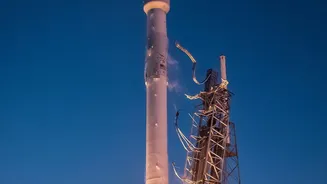
At its core, this is about SpaceX seeking access to a specific frequency band to expand its Starlink service from a home internet provider into a mobile carrier. The headline refers to a planned deal for 14 megahertz (MHz) of 'paired' 800 MHz spectrum.
In simple terms, SpaceX wants to lease a small but powerful radio frequency highway that is currently designated for terrestrial mobile use. 'Paired' spectrum means there are two separate channels—one for uploading data (from your phone to the network) and one for downloading (from the network to your phone), which is essential for a smooth, two-way conversation. This move isn't about launching new phones; it’s about enabling the phone already in your pocket to connect to a satellite when a traditional cell tower is out of reach.
Why 800 MHz is the Sweet Spot
Not all radio frequencies are created equal. The 800 MHz band is considered low-band spectrum, and in the world of mobile signals, lower is often better for coverage. Think of it like sound: a deep bass note (low frequency) travels much farther and passes through walls more easily than a high-pitched treble note (high frequency). Similarly, the 800 MHz signal can cover vast geographical areas and penetrate buildings more effectively than the higher-frequency bands used for 5G's super-fast speeds. For SpaceX's goal of eliminating dead zones in rural and remote locations, this band is ideal. It provides the reach and reliability needed to establish a baseline connection almost anywhere on Earth, a task for which higher frequencies would be impractical and prohibitively expensive.
The 'Direct-to-Cell' Vision
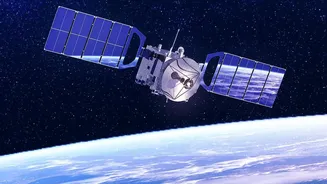
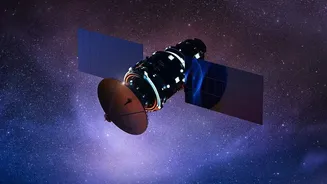
The ultimate goal here is a service often called 'direct-to-cell' or 'direct-to-device'. Traditionally, connecting to a satellite required a bulky, specialised satellite phone. SpaceX, along with other players in this emerging field, is developing technology to bypass that. Their second-generation Starlink satellites are being equipped with advanced antennas that can effectively create a cell tower in space. These satellites will be able to communicate with standard 4G and 5G phones on the ground using common mobile frequencies, like the 800 MHz band. If the plan works, your phone wouldn't even know it's talking to a satellite; it would simply switch from a land-based tower to a space-based one whenever the terrestrial signal drops, providing seamless coverage for texts, calls, and basic data.
Regulatory and Competitive Hurdles
This ambitious plan is not without significant challenges. Mobile spectrum is a fiercely protected and highly regulated resource, licensed by governments to telecom companies for billions of dollars. SpaceX's plan would likely involve partnering with an existing mobile carrier who already holds a license for that 800 MHz spectrum. This requires approval from regulators, who must ensure that the new satellite service doesn't interfere with existing mobile networks. Established telecom giants may also fight the proposal, viewing it as a threat to their business model. They have invested heavily in building out their own networks and may not welcome a new, disruptive competitor backed by SpaceX's deep pockets and innovative technology.
Potential Impact on India's Market
For a country like India, with its vast landmass, diverse terrain, and intense competition in the telecom sector, a service like this could be revolutionary. While major players like Jio and Airtel have achieved impressive network penetration, millions in remote and rural areas still struggle with patchy or non-existent connectivity. Starlink's direct-to-cell service could plug these gaps, offering a lifeline for emergency services, agriculture, and digital inclusion. However, the path to operating in India is complex. SpaceX would need to navigate the country's stringent telecom regulations and likely partner with a local carrier. If successful, it could fundamentally alter the competitive landscape, forcing existing providers to innovate and potentially driving down costs for consumers in hard-to-reach areas.