



The Post-Monsoon Growth Paradox
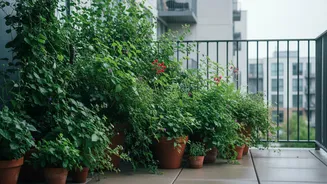
The end of the monsoon often brings a sense of relief to balcony gardeners. Your plants look vibrant, dense, and full of life after weeks of consistent rain. However, this rapid growth comes with a hidden cost. Below the surface, the root systems have
expanded just as quickly. In the confines of a pot, this leads to a condition known as being 'root-bound' or 'pot-bound', where the roots have filled the container and have nowhere left to go. This overcrowding stresses the plant, making it difficult for it to absorb the water and nutrients it needs to sustain its lush foliage.
Why More Fertiliser Can Be Harmful
It’s a common instinct to feed a thriving plant to encourage more growth. But adding fertiliser to a root-bound plant is like offering a feast to someone with no room to eat. When roots are compacted, they cannot effectively absorb nutrients. The excess fertiliser, which is essentially a collection of mineral salts, can accumulate in the soil. This buildup increases soil salinity, which can 'burn' or damage the already stressed roots, preventing them from absorbing water and leading to yellowing leaves, wilting, and stunted growth. In essence, your well-intentioned feeding could weaken your plants further, making them more susceptible to pests and diseases.
Signs Your Plant is Crying for Space
Your plants will give you clear signals when they are feeling cramped. The most obvious sign is roots physically growing out of the drainage holes at the bottom of the pot. You might also notice that the soil dries out very quickly, requiring you to water far more frequently than before. This happens because the dense mass of roots has displaced the soil that would normally hold moisture. Other signs include stunted or smaller-than-usual new leaves, as the plant lacks the resources for robust growth, or water that seems to run straight through the pot without being absorbed. In some cases, you might even see the pot itself starting to bulge or crack under the pressure.
The Gentle Art of Repotting
Once you've identified a root-bound plant, repotting is the most effective solution. Choose a new pot that is only one or two inches wider in diameter than the current one. Going too large can cause the soil to stay wet for too long, leading to root rot. Gently remove the plant from its old pot. If it's stuck, you can tap the sides or run a knife around the inner edge. Inspect the root ball; if the roots are tightly wound in a circle, gently tease them apart with your fingers to encourage them to grow outwards into the new soil. Place a layer of fresh, high-quality potting mix in the new pot, position the plant, and fill in the sides, making sure not to bury the stem deeper than it was previously.
Pruning: An Alternative to Repotting
Not every overgrown plant needs a bigger pot. Sometimes, a strategic trim is all that's required. Pruning helps manage the plant's size and shape, especially if it has become 'leggy' or sparse during the monsoon. Trimming back about one-third of the growth can reinvigorate the plant, encouraging it to produce fresh, healthy shoots. Removing dead or yellowing leaves and crowded branches also improves air circulation, which is crucial for preventing the fungal diseases that thrive in the post-monsoon humidity. This allows more light to reach the inner parts of the plant, promoting fuller, more balanced growth.