






The Hidden World in Your Soil
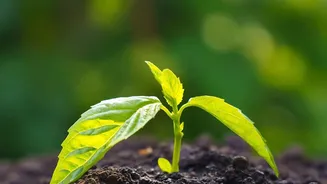
Healthy soil is not just dirt; it's a bustling, microscopic ecosystem teeming with life. Billions of bacteria, fungi, and other microorganisms are constantly at work. These beneficial microbes are the engines of a healthy garden. They break down organic
matter into nutrients that plants can absorb, create pathways for air and water, and even protect roots from disease-causing pathogens. Think of them as the gut flora of your garden—essential for breaking down food and keeping the entire system healthy and resilient. Most of these crucial workers are aerobic, meaning they require oxygen to live and do their jobs effectively.
How Water Creates a Crisis
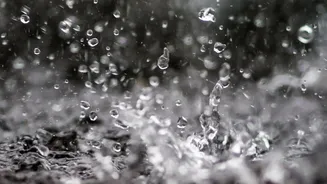
When soil becomes waterlogged from heavy rain or overwatering, the spaces between soil particles that normally hold air fill up with water. This displaces the oxygen, and the remaining supply is quickly used up by plant roots and microbes. This creates an oxygen-deprived, or 'anaerobic', environment. For the terrestrial plants in our gardens, which are not adapted for aquatic life, this is the beginning of a serious crisis that extends beyond just "drowning" the roots. This problem is especially pronounced in heavy, compacted clay soils often found in urban areas, where poor structure already limits air space.
The Unseen Die-Off
In this anaerobic environment, the beneficial aerobic microbes suffocate and die off in massive numbers. As they disappear, a different group of microbes takes over: anaerobic organisms. These microbes thrive without oxygen, but their activity is bad news for plants. Instead of releasing helpful nutrients, they produce compounds that are toxic to plant roots, such as hydrogen sulphide, which creates a foul, swampy smell. This microbial shift not only starves the plant of nutrients but actively poisons its root system, leading to root rot and a greater susceptibility to diseases.
Immediate First Aid for Waterlogged Plants
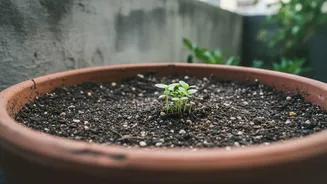
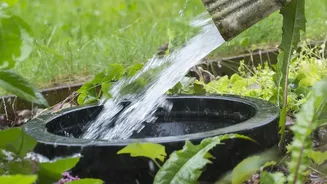
If you find your containers or garden beds waterlogged, act quickly. First and foremost, stop watering. If it’s a potted plant, move it to a sheltered spot away from rain. Gently tip the container to drain any excess standing water. You can try to carefully create some air passages by poking a narrow rod or garden stake deep into the soil, being mindful of the main root ball. This helps break up compaction and allows oxygen to penetrate the suffocating root zone. Do not fertilize a waterlogged plant; stressed roots cannot absorb nutrients, and you may cause further damage.
Long-Term Fixes for Resilient Soil
Prevention is the best strategy. The key to avoiding waterlogging is improving soil structure and drainage. For urban gardeners, this often means amending the native soil. Incorporating several inches of organic matter like compost, well-rotted manure, or leaf mould is the most effective solution. Organic matter acts like a sponge, holding moisture but also creating a crumbly structure that allows excess water and stale air to escape. For container gardening, ensure every pot has ample drainage holes. Use a quality potting mix that contains materials like perlite or vermiculite, which are specifically designed to improve aeration and prevent compaction. In garden beds prone to flooding, consider building raised beds, which physically lift the root zone above the waterlogged ground.
Bringing Your Soil Back to Life
After a waterlogging event, even if the plant survives, the soil's microbial life will be severely depleted. You need to reinoculate it with beneficial organisms to restore its health. The best way to do this is by applying a fresh layer of high-quality compost. Compost is rich in the diverse microbes your soil needs to recover. Spreading a one- to two-inch layer over the soil surface will reintroduce these workers, who will help rebuild the soil's structure and restart the nutrient cycle. Avoid heavy tilling or compacting the soil as it dries, as this can destroy the fragile structure and lead to hard, concrete-like soil once it finally dries out.