


The Sweet Swap on Your Screen
If your social media feeds are anything like ours, you’ve seen it: glistening chocolate cakes, rustic whole-wheat banana breads, and chewy oatmeal cookies, all with a common, golden-brown secret. Refined white sugar is being consciously uncoupled from
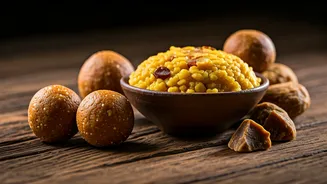
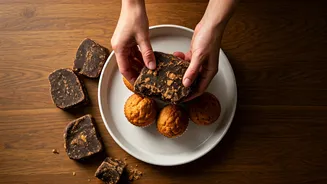
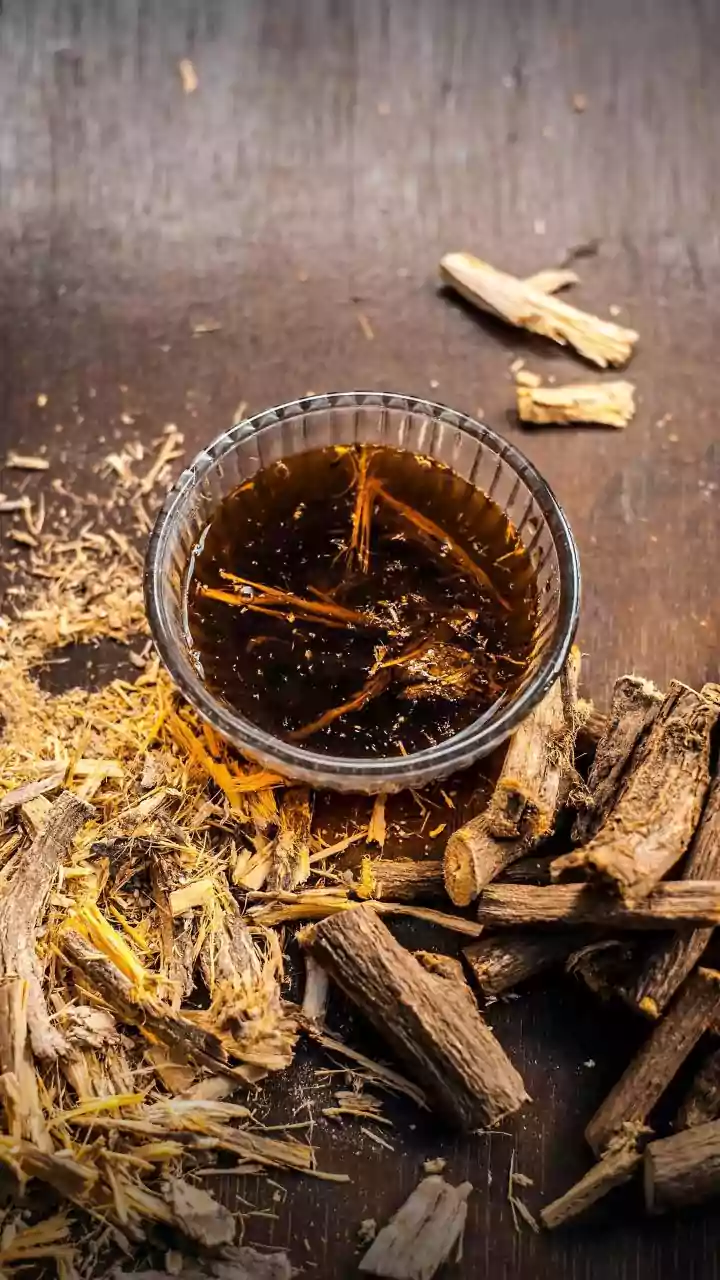
baking, and its replacement is a familiar Indian staple: jaggery, or ‘gur’. Food creators, from home bakers with thousands of followers to professional chefs, are championing this switch. They are not just replacing sugar one-for-one; they are re-engineering recipes to celebrate jaggery’s unique flavour profile. We’re seeing everything from jaggery-sweetened brownies and gluten-free ragi cakes to sophisticated cheesecakes that leverage its deep, molasses-like notes. This isn’t just a minor substitution; it’s a full-blown culinary movement redefining what modern Indian baking looks and tastes like.
The Perceived Health Halo
A huge driver behind this trend is, unsurprisingly, health and wellness. For years, refined white sugar has been villainised in wellness circles. Consumers are actively seeking alternatives they perceive as more natural and less processed. Organic jaggery fits this narrative perfectly. Unlike white sugar, which is stripped of all nutrients during heavy processing, jaggery retains some of the minerals found in sugarcane juice, such as iron, magnesium, and potassium. Food creators are quick to highlight this, framing jaggery as a ‘wholesome’ or ‘guilt-free’ sweetener. While nutritionists caution that jaggery is still fundamentally a sugar and should be consumed in moderation, the psychological comfort it provides is undeniable. For the average home baker, using an unrefined, traditional ingredient feels like a healthier choice for their family, turning an indulgent treat into a slightly more virtuous pleasure.
The Influencer Effect
This wave wouldn’t be massive without the powerful amplification of social media. Influencers and food creators are the primary catalysts. They demystify the process of baking with jaggery, providing their followers with tested recipes, clear video instructions, and troubleshooting tips. Creators like Deeba Rajpal (@passionateaboutbaking) and Shivesh Bhatia have built loyal followings by showcasing beautiful, accessible baking that often incorporates traditional Indian ingredients. When they post a stunning reel of a jaggery cake, they don’t just share a recipe; they create aspiration and trust. Their endorsement acts as a powerful signal that baking with gur is not only possible but desirable, fashionable, and delicious. They bridge the gap between a traditional pantry item and a modern, global baking format, making it feel both innovative and deeply authentic.
A Return to Roots, with a Twist
The jaggery trend is also a beautiful expression of a larger cultural shift. There's a growing movement among urban Indians to reconnect with their culinary heritage, but on their own terms. Jaggery is a cornerstone of traditional Indian sweets and cooking, but for a long time, it was seen as rustic or old-fashioned, especially in the context of ‘fancy’ baking, which was dominated by Western ingredients like white sugar and all-purpose flour. This new wave reclaims jaggery, elevating it from the humble mithai shop to the centre of the modern kitchen. It’s a way of saying that Indian ingredients are not just for Indian dishes. This fusion of traditional ingredients with Western techniques creates a unique culinary identity — one that is proudly Indian yet globally conversant. It’s nostalgia, but served in a modern, Instagram-worthy slice.
Beyond the Hype: Tips for Your Kitchen
Inspired to try it yourself? Before you swap out all the sugar in your pantry, it’s worth noting that jaggery behaves differently. Its high molasses content means it holds more moisture, which can result in denser, chewier baked goods — often a welcome outcome in cookies and brownies! It also has a lower melting point and can burn more quickly. Creators recommend using powdered or grated jaggery for easier incorporation and starting with recipes specifically developed for it. Its strong flavour pairs wonderfully with spices like cinnamon and cardamom, and ingredients like whole wheat, oats, and bananas. While it might take a little experimentation, the rich, caramel-like flavour it imparts is a reward in itself, offering a depth that white sugar simply cannot match.