





The Sunshine Vitamin's Shadow
Vitamin D is unique. While other vitamins come mainly from our food, our bodies are designed to produce most of our Vitamin D when skin is exposed to the sun's UVB rays. Yet, studies show a high prevalence of deficiency across India, affecting 70% to 100%
of the population in some surveys. Factors like modern indoor lifestyles, urban pollution that blocks UVB rays, skin pigmentation, and covering clothing limit our natural ability to synthesise this crucial vitamin, making dietary sources more important than ever.
Diet's Role: Support, Not a Silver Bullet
It's important to set realistic expectations. While a balanced diet is crucial for maintaining Vitamin D levels, it can rarely cure a significant deficiency on its own. Very few foods are naturally rich in it. Think of food as a vital supporting player to sensible sun exposure. The goal is to build a consistent dietary pattern that contributes to your daily needs, rather than searching for a single 'miracle food'. For a diagnosed deficiency, a doctor will likely recommend supplementation alongside dietary changes.
For Non-Vegetarians: Embrace Fatty Fish
Fatty fish are nutritional powerhouses and one of the best natural sources of Vitamin D. Varieties commonly found in Indian coastal markets are excellent choices. Indian Mackerel (Bangda), Sardines (Mathi or Tarli), and Hilsa are particularly rich in this nutrient. A regular serving of these fish, whether grilled, steamed, or in a curry, can make a meaningful contribution to your weekly intake.
The Accessible and Affordable Egg Yolk
Don't discard the yolk! While egg whites are prized for their protein, the yolk is where the Vitamin D is stored. Eggs are an accessible and affordable option for many Indians, making them a practical way to boost intake. One large egg yolk provides a small but useful amount of Vitamin D, which adds up when consumed regularly as part of a varied diet.
A Plant-Based Option: UV-Exposed Mushrooms
Mushrooms offer a unique opportunity for vegetarians. Naturally, they contain very little Vitamin D. However, they are rich in a compound called ergosterol, which converts to Vitamin D when exposed to ultraviolet (UV) light. Some growers now sell pre-exposed mushrooms, which can be a potent source. You can even enhance the Vitamin D content of regular mushrooms by leaving them in direct midday sunlight for a short period before cooking.
Fortified Foods: Your Everyday Allies
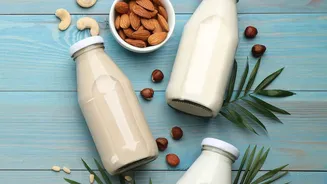
For a majority of the population, especially vegetarians, fortified foods are the most reliable dietary source of Vitamin D. In India, many brands of milk, edible oil, yogurt (dahi), and breakfast cereals now have Vitamin D added during processing. It's crucial to read the packaging, which will state if the product is fortified. Using fortified milk for your daily chai or coffee, or choosing a fortified oil for cooking, are simple habits that can significantly support your daily intake.
Dairy Derivatives: Paneer and Cheese
While not primary sources, dairy products like paneer and cheese contribute small amounts of Vitamin D. Their contribution becomes more significant when they are made from fortified milk. Since paneer is a staple in many vegetarian households, choosing a product made from fortified milk can be an easy win, providing not just Vitamin D but also the calcium needed for bone health.