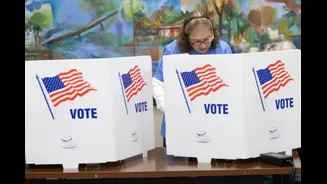




The votes are in, and the 2026 US midterm elections have reshaped Washington's power dynamic. For global markets and trading partners like India, the result—a newly divided government—raises urgent questions about the future of American trade policy.
A New Political Chessboard in Washington
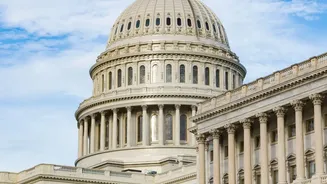
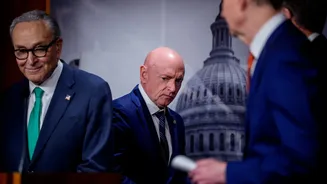
The midterm elections delivered a significant shift in the American political landscape, with the Democratic party gaining control of both the House of Representatives and the Senate. This outcome brings an end to unified Republican control and sets the stage for a new era of divided government for the remaining two years of the president's term. While market watchers often say that political gridlock can be good for stability by preventing drastic policy swings, this election is different. The change in congressional power introduces fresh uncertainty and intense scrutiny over the White House's agenda, particularly on trade, where the president has previously acted with significant authority. Global investors are now parsing what this new dynamic will mean for everything from existing tariffs to the potential for new international agreements.
Market Reaction: A Sigh of Relief?
Initial reactions from global markets have been broadly positive, though cautious. Many investors are betting that a Congress controlled by the opposition party will act as a check on the president's more impulsive policy decisions, which have previously rocked markets. After two years of unpredictable tariff announcements and geopolitical tensions, the prospect of more legislative oversight is seen by some as a welcome development for stability. However, this optimism is tempered by the reality that the president retains substantial authority, especially in foreign affairs and trade policy. While a Democratic-led Congress can hold hearings and apply pressure, it cannot easily reverse existing tariffs or force new trade deals without a complex political fight that could require overriding presidential vetoes. The consensus is that while the risk of sudden shocks might be lower, businesses should prepare for a more complicated and slower-moving policy environment.
The Future of US Tariffs and Trade Deals
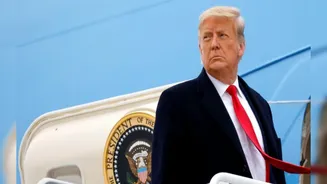
A key question is what happens to the tariffs that have defined US trade policy recently. The president has used various authorities to impose tariffs without needing congressional approval. A new Congress is likely to challenge this, with congressional leaders signalling their intent to reclaim authority over trade. Expect more oversight hearings on the economic impact of tariffs, which could put pressure on the administration to grant more exemptions for certain products. However, a complete reversal of the protectionist trend is unlikely. A tougher stance on trade, particularly concerning China, has gained bipartisan support in Washington. Therefore, instead of a rollback, we may see a shift in how trade policy is executed—less through unilateral decrees and more through negotiation and legislative debate. This means continued uncertainty for multinational companies, who must navigate a landscape where commercial decisions are increasingly tangled with national security concerns.
What It Means for India
For India, the US midterm results are a mixed bag. Officials in New Delhi are cautiously optimistic, seeing the outcome as easing some of the immediate pressure over trade tensions. A divided US government could make the White House more cautious about escalating trade disputes, which could be a positive for ongoing negotiations for an India-US trade deal. An interim agreement finalised in February 2026, which is not believed to require formal congressional ratification, is unlikely to be directly affected. However, the fundamental dynamics of America's more protectionist turn are expected to remain. While a new Congress might scrutinise the president's use of tariffs, both parties have shown support for economic nationalism. India's key exports to the US—including electronic goods, pharmaceuticals, and engineering goods—will remain subject to the broader currents of US policy. The election might reduce the risk of sudden new tariffs but introduces new uncertainties into what is already a fragile but critical relationship for India, its largest export market.