



The Rise of the Flexible Space
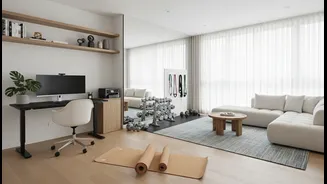
A flex room is a space in your home designed to serve multiple functions. Think of it as a blank canvas that can transform based on your evolving lifestyle. This trend has gained huge traction as our homes have had to become our offices, gyms, and creative
studios all at once. It’s a direct response to changing needs, from the demands of remote work to the desire for a space dedicated to hobbies and wellness. Instead of letting a spare bedroom sit empty most of the year, a flex space ensures every square foot of your home is functional and valuable, adapting as your life changes.
More Than Just a Bonus Room
While it might sound like a new name for the traditional 'bonus room', a flex space is more intentional. It’s not just an extra, undefined area; it's a room purposefully designed for versatility. The key difference lies in the planning. A true flex space is created with multiple uses in mind from the start, influencing everything from furniture choices to layout. It’s about creating a dynamic environment that can seamlessly transition between work, play, and relaxation, rather than becoming a dumping ground for clutter.
Designing for Adaptability
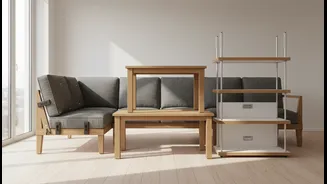
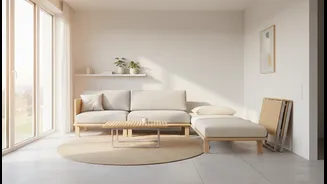
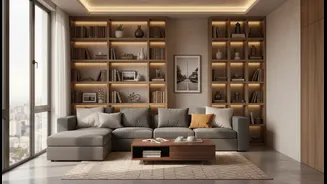
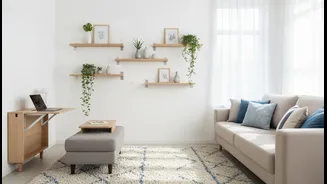
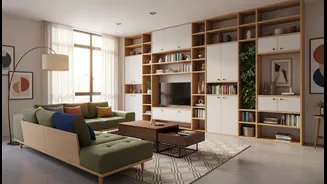
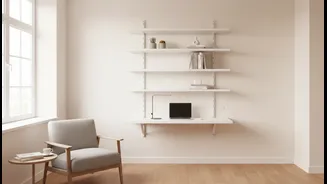
Creating a successful flex space hinges on smart design choices. The goal is a layout that feels cohesive yet versatile. Start with multi-functional furniture, the cornerstone of any adaptable room. A sofa bed or daybed can turn an office into a guest room, a fold-away desk provides a workspace without permanent clutter, and nesting tables offer surfaces when you need them. Modular furniture, like sectional sofas made of individual blocks, is especially powerful, allowing you to reconfigure seating for a party, a movie night, or a quiet afternoon. Smart storage is equally crucial. Vertical shelving, built-in cabinets, and ottomans with hidden compartments keep the space tidy and ready for its next function.
The Power of Zoning
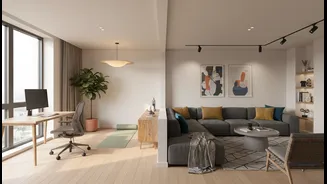
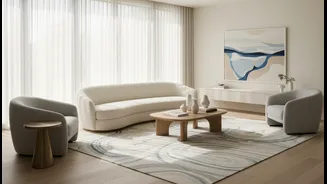
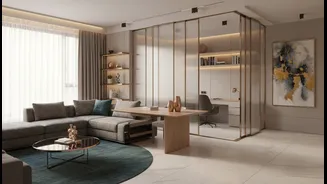
To prevent the room from feeling chaotic, visually separate the different functions using 'zoning' techniques. This doesn't require walls. You can use a large rug to define a relaxation area, position a bookshelf to act as a light-permeable room divider, or even use paint to create distinct zones. Lighting also plays a vital role. A mix of ambient and task lighting supports different activities. Bright, focused light is essential for a work corner, while dimmable, warmer lights can create a relaxing atmosphere for yoga or reading.
A Boost for Your Well-being
Beyond its practical benefits, a well-designed flex space can enhance your mental health. An organized, adaptable environment can reduce stress, improve focus, and foster a sense of calm and control. When your home supports your activities—whether it’s a quick workout, a focused work session, or a creative project—it reduces daily friction. Having a dedicated zone for hobbies and wellness encourages you to make time for them, removing the mental barrier of having to set up and clear away furniture. Ultimately, a flex space helps your home evolve with you, providing a foundation that enables your lifestyle rather than restricting it.