





What Are Glucose Wearables?
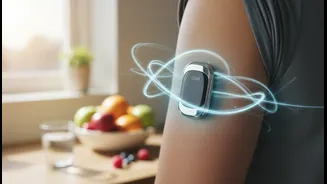
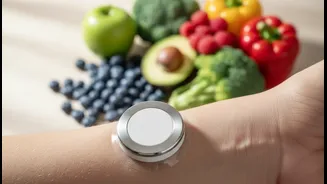
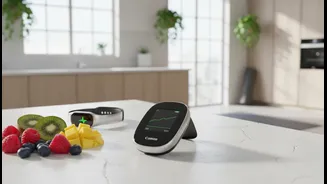
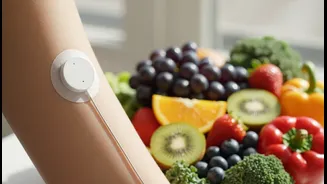
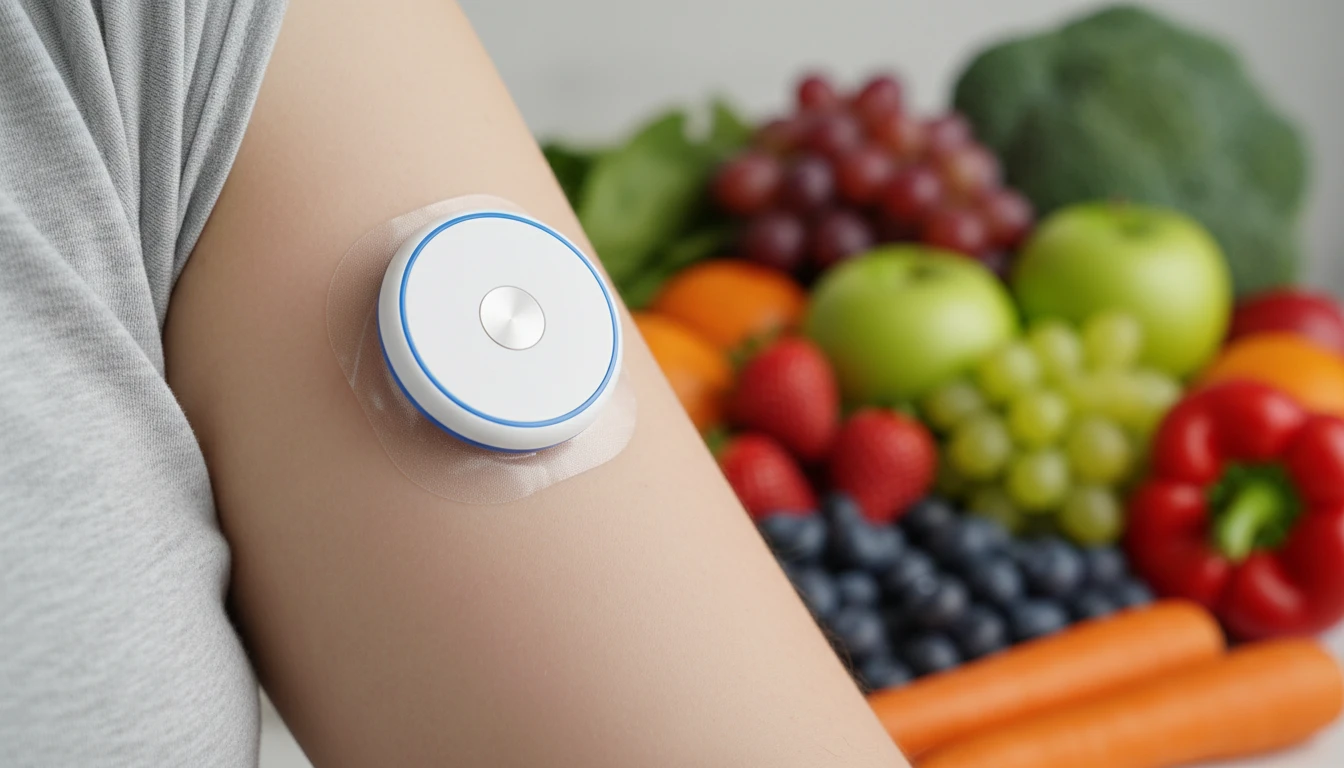
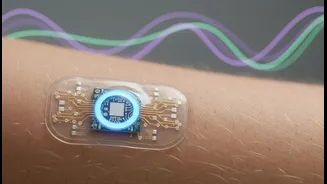
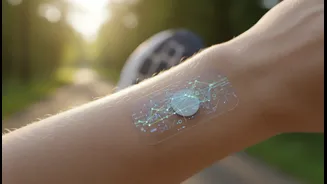
A continuous glucose monitor, or CGM, is a small wearable device that tracks your blood sugar levels in real time, 24/7. Typically worn on the arm or stomach, it uses a tiny, flexible sensor inserted just under the skin to measure glucose in the interstitial
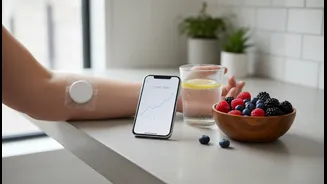
fluid (the fluid between your cells). This data is then sent wirelessly to a smartphone app, providing a constant stream of information about how your body is responding to food, exercise, stress, and sleep. Unlike the traditional finger-prick method, which gives a single reading at one point in time, a CGM offers a dynamic view of your glucose patterns, revealing peaks and valleys throughout the day and night. While CGMs have been a game-changer for diabetes management, a new trend sees people without diabetes using them for general wellness and to optimize their metabolic health.
The Promise of Personalised Data
The core appeal of using a CGM for meal planning is the move away from one-size-fits-all dietary advice. The personalised nutrition market in India is experiencing significant growth as consumers seek solutions tailored to their unique biology. A food that is perfectly healthy for one person might cause a sharp glucose spike in another. For example, while oatmeal is often recommended as a healthy breakfast, some individuals might find it sends their blood sugar soaring. A CGM can identify these individual responses. By seeing exactly how a bowl of rice versus a plate of dal affects their body, a user can make more informed choices. The immediate feedback loop is powerful; it connects what you eat directly to a biological response you can see on your phone, motivating behavioural changes.
Real-World Meal Planning Benefits
For someone trying to manage their weight or energy levels, this data can be revelatory. Large swings in glucose are often followed by crashes, which can trigger hunger and cravings soon after eating. By using a CGM, you can identify which meals keep your glucose levels stable, helping you feel fuller for longer and avoid those energy slumps. This allows for strategic meal planning, such as adding more protein or fibre to a meal to blunt a glucose spike, or changing meal timings. Studies show that eating late at night can make it harder for the body to control glucose, a pattern a CGM would make visible. This shifts the focus from simple calorie counting to understanding the metabolic impact of food, empowering users to build a diet that truly works for their body.
A Word of Caution from Experts
Despite the potential benefits, many health professionals urge caution. A primary concern is the risk of creating health anxiety or disordered eating patterns. Glucose levels naturally fluctuate, and interpreting normal variations as problems can cause unnecessary stress. Experts worry that constant monitoring could lead to an unhealthy obsession with achieving a 'perfect' flat glucose line, leading to food fear and overly restrictive diets. Furthermore, while CGMs are generally accurate for tracking trends, readings can be affected by factors like dehydration or even lag slightly behind actual blood glucose. It's also important to note there is not yet strong clinical evidence that using a CGM by itself leads to weight loss in people without diabetes. They are an expensive tool, with sensors typically needing replacement every 7 to 14 days.
The Future of Eating: Data-Driven and Mindful
So, can glucose wearables change meal planning? The answer seems to be a qualified yes. They are a powerful tool for building awareness and providing personalised insights that generic diet plans cannot offer. In a country like India, where lifestyle-related disorders like diabetes are on the rise, understanding metabolic health is increasingly important. However, these devices are not a magic bullet. Their true value is realised when the data is used to learn and make sustainable adjustments, rather than to enforce rigid rules. Many experts suggest that if you use a CGM, it should be seen as a short-term learning tool, ideally used in consultation with a dietitian or doctor who can help interpret the data and create a balanced, long-term plan. The ultimate goal isn't just to react to data, but to build a healthier, more intuitive relationship with food.