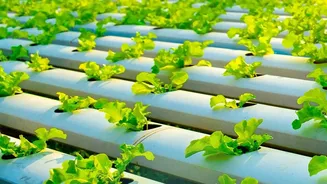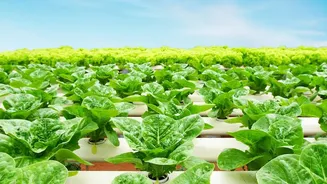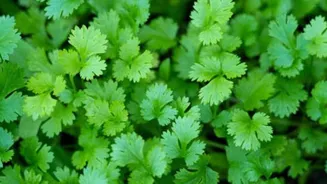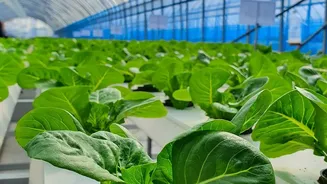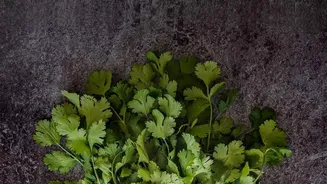

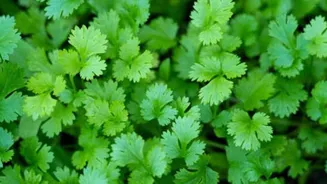
The aroma of fresh coriander, or dhaniya, is central to Indian cooking. But keeping a steady supply can be tricky. Hydroponics, a method of growing plants in water instead of soil, offers a clean, efficient way to have this essential herb on hand.
What Exactly is Hydroponics?
Hydroponics
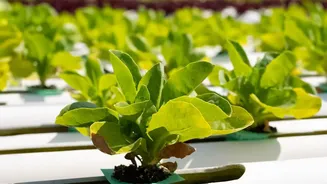
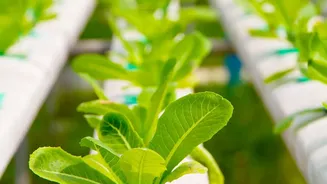
is a method of growing plants without soil, using a water-based nutrient solution instead. The plant's roots are suspended in this solution or supported by an inert medium like coco peat or rockwool, giving them direct access to all the food and water they need. This soil-free approach eliminates many traditional gardening challenges, like pests and weeds, making it ideal for indoor and urban environments where space and clean soil may be limited. The entire environment—from light to nutrients—can be controlled, allowing for consistent growth year-round.
Why Grow Coriander This Way?
Coriander is known for its fast growth but also its tendency to 'bolt' or flower prematurely in warm weather, which can make the leaves bitter. Hydroponics allows you to control the temperature, keeping it cooler to extend the leafy growth phase. This method often results in faster growth and higher yields compared to soil. Nutrients are delivered directly to the roots, promoting vigorous, healthy plants that are often described as having a brighter, more vibrant flavour. Furthermore, it's a cleaner process with no soil mess and typically uses less water than traditional gardening because the water is recirculated.
Your Starter Kit
Getting started with a home system is simpler than it sounds. For a basic setup, you'll need a container or reservoir to hold water, net pots to hold the plants, and a growing medium like rockwool or coco peat to support the seedlings. You will also need a balanced hydroponic nutrient solution formulated for herbs, which is rich in nitrogen to encourage leafy growth. Finally, you'll need coriander seeds, ideally a slow-bolting variety. While not essential for a very basic system, a pH testing kit is highly recommended to ensure the plants can absorb nutrients effectively.
The Growing Process Step-By-Step
First, germinate your seeds. A reliable method is to soak the seeds for a few hours, then place them in a moist paper towel inside a container for a few days until tiny roots emerge. Once germinated, transfer the seedlings into starter plugs like rockwool. When the roots start poking out of the plug, it's time to move them into your hydroponic system. Prepare your nutrient solution according to the package directions and fill your reservoir. The ideal pH for coriander is between 5.5 and 6.5. The Electrical Conductivity (EC), which measures nutrient strength, should be between 1.2 and 1.8. Ensure your plants get 12 to 16 hours of light per day, using a grow light if natural sunlight is insufficient.
Care, Harvesting, and Common Issues
Once your plants are about 15 cm tall, you can begin harvesting. Snip the outer leaves first, taking no more than a third of the plant at a time to allow it to continue producing. Regular harvesting actually encourages more growth and delays bolting. The most common issue is bolting, usually caused by heat stress. Keeping the temperature between 15–22°C is ideal. Another potential problem is root rot, which can be prevented by ensuring your water is well oxygenated. If you notice the tips of the leaves turning brown, it could be a sign that the nutrient solution is too strong.