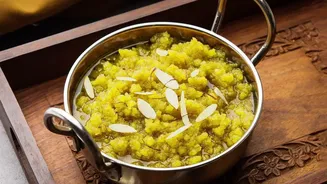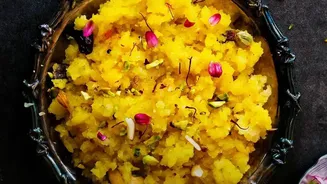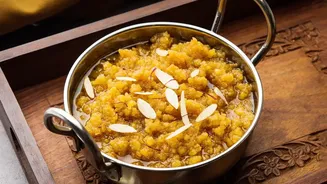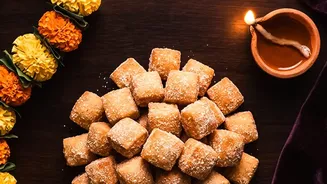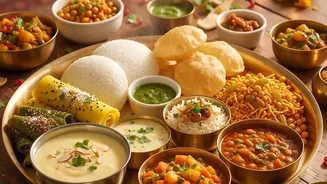




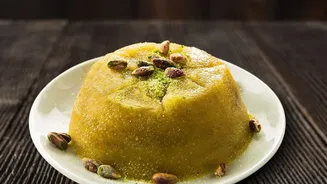
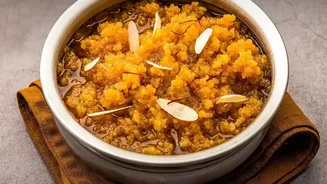
After the festive indulgence of Diwali, many Indian households turn to simple, comforting foods. One beloved remedy for the post-celebration slump and winter sniffles is Besan Sheera, a warm, sweet concoction believed to soothe and heal.
A Comforting Post-Festival Tradition
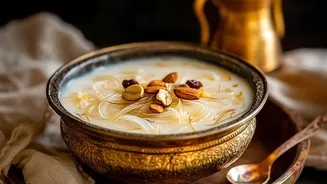
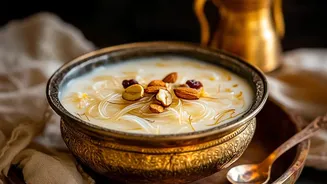
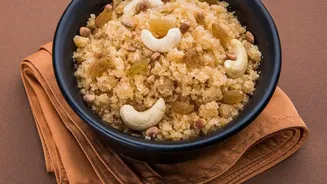
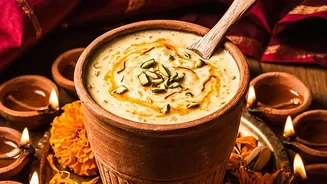
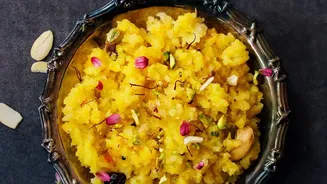
Besan Sheera is
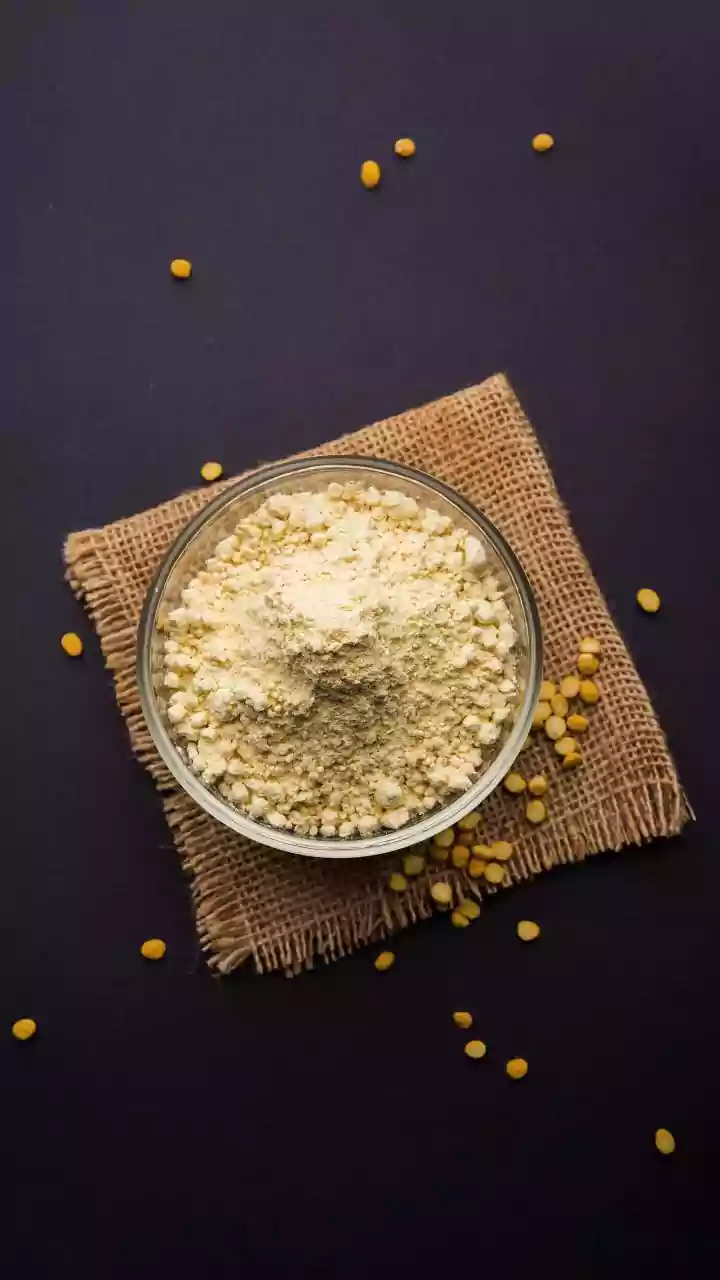
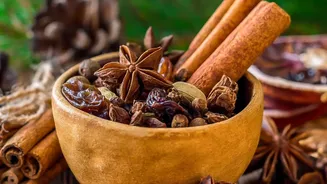
a semi-thick, pudding-like beverage made by roasting besan (gram flour) in ghee, then simmering it with milk, a sweetener like jaggery, and aromatic spices such as turmeric and cardamom. Often prepared in Punjabi households, it is a traditional winter warmer and a go-to dish when someone is feeling under the weather, especially with a cough or cold. The nutty aroma from the roasted besan, combined with the richness of ghee and the warmth of the spices, makes it a deeply comforting food, reminiscent of a grandmother's care. Its role extends beyond just a simple sweet dish; it is embedded in the culture of post-festival recovery, offering a sense of nourishment after days of feasting.
The Beliefs Behind the Bowl
Traditionally, Besan Sheera is considered more than just food; it's seen as a home remedy. It's widely believed to provide instant relief from a sore, scratchy throat and to help treat coughs and colds. The ingredients are chosen for their perceived medicinal properties. Turmeric is thought to have anti-inflammatory and antiseptic qualities, while black pepper is believed to be antibacterial. Ghee is said to soothe an irritated throat, and besan itself is considered a powerhouse of antioxidants that can help clear the nasal tract. Together, these ingredients create a concoction that is supposed to not only provide comfort but also actively fight off seasonal ailments, often promising a good night's sleep.
Deconstructing the Ingredients
When we look at the individual components, it's easy to see why these beliefs took hold. Besan is a nutritious flour rich in protein, fibre, and essential nutrients like folate. Ghee provides fat-soluble vitamins and is a source of energy. Spices like turmeric and ginger do contain compounds with known beneficial properties. Turmeric contains curcumin, which has demonstrated anti-inflammatory effects in studies, and ginger is a well-known digestive aid. However, the context is crucial. The amount of these active compounds in a single serving of sheera is relatively small and may not be enough to produce a significant medicinal effect. For example, curcumin from turmeric is poorly absorbed by the body on its own.
Food as Comfort, Not a Cure
The distinction between comfort and a cure is where the line between tradition and medicine becomes important. The warm, semi liquid consistency of Besan Sheera can undoubtedly provide symptomatic relief. A hot, sweet drink can soothe a raw throat, and the feeling of consuming a nourishing, lovingly prepared meal has powerful psychological benefits. However, soothing a symptom is not the same as curing its underlying cause. A cold is caused by a virus, which the body's immune system must fight off. No clinical trials have proven that ghee or besan can cure a cough or cold. While some studies suggest turmeric may help with respiratory issues, the evidence is not robust enough to consider it a medical treatment. The sheera provides warmth, hydration, and calories, which are all helpful during illness, but it doesn't function like a prescribed medicine.
Enjoying Tradition Responsibly
There is no harm in enjoying a comforting bowl of Besan Sheera when you have a cold. The problem arises when such remedies are used in place of proper medical advice, especially for persistent or severe symptoms. A cough that lasts more than three weeks, for instance, requires a doctor's attention. Furthermore, while the ingredients have nutritional value, Besan Sheera is also high in sugar and fat, making it a calorie dense food. Relying on it excessively can lead to digestive discomfort for some and may not be suitable for everyone. The key is to appreciate it for what it is : a delicious , culturally significant comfort food that can make you feel better emotionally and provide some physical relief , but not a substitute for evidence based medicine.