



A Shift from Heirloom to Everyday
For generations, heritage Indian textiles like Banarasi silk, Kanjeevaram, and intricate brocades were synonymous with grandeur and weight. They were prized possessions, often worn at weddings and major festivals, their value tied to their opulence and ceremonial
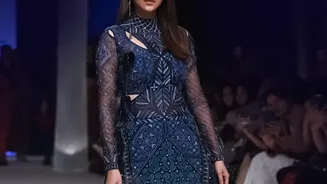
significance. But as lifestyles have evolved, so has the desire for clothing that balances cultural identity with contemporary ease. Today, a quiet revolution is taking place in the ateliers of India’s top designers. They are asking a fundamental question: What if our most treasured fabrics could be part of our lives, not just our lockers? The answer is a move towards lighter, more wearable couture that honours the craft without the cumbersome weight.
The Architects of 'India Modern'
Pioneering designers are at the forefront of this movement, each offering a unique interpretation. Tarun Tahiliani has built his brand on the philosophy of 'India Modern', which champions the idea of fusing Indian craftsmanship with contemporary luxury. His vision is to move beyond treating heritage as mere costume and instead integrate it effortlessly into modern life, creating structured drapes that are both opulent and light. Similarly, Anamika Khanna has made a name for herself by presenting India's rich craft in global contours, famously reinventing the dhoti as a chic pant and pairing heritage embroideries with fluid capes and jackets. Her work prioritises movement and allows the wearer to feel unrestricted. Meanwhile, Rahul Mishra, the first Indian designer to showcase at Paris Haute Couture Week, is celebrated for his lightweight, painterly embroidery that feels more like art than heavy embellishment, creating garments that are ethereal and surprisingly comfortable.
Redefining the Couture Silhouette
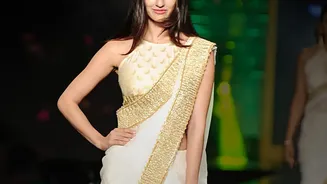
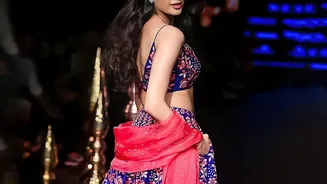
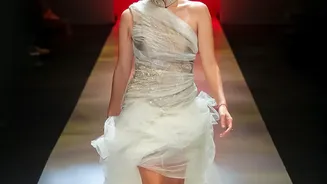
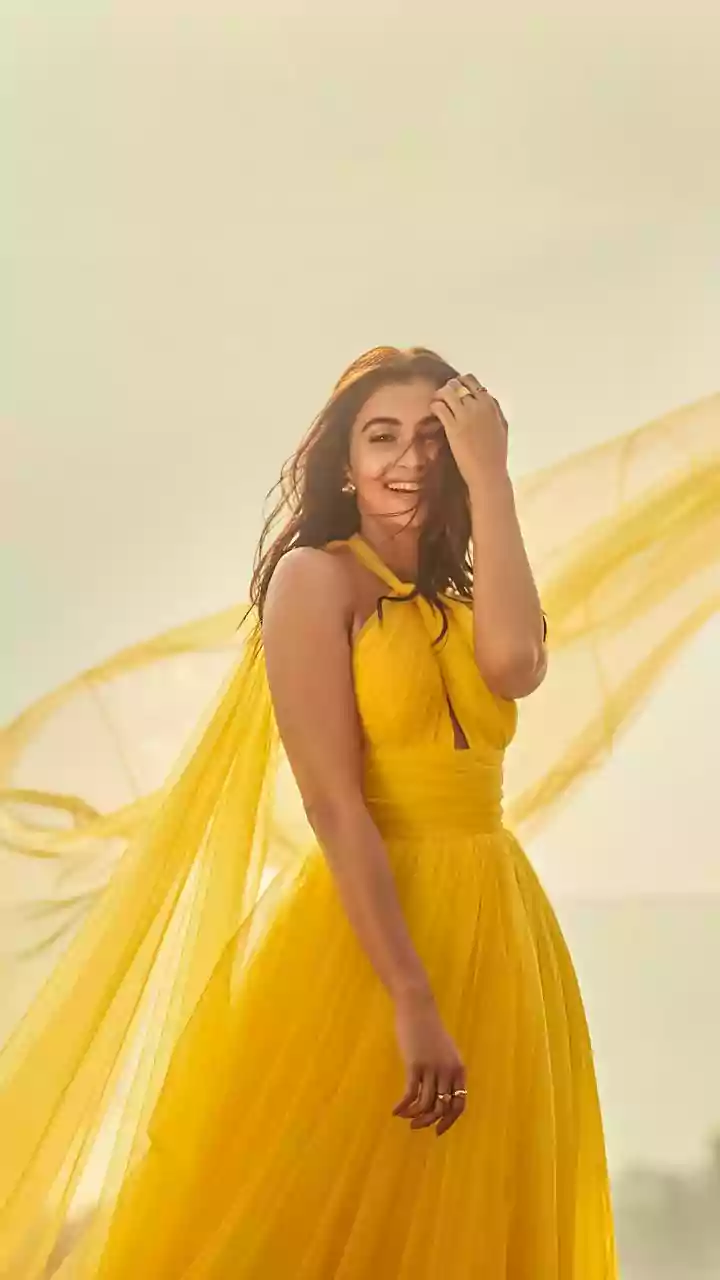
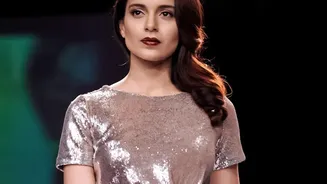
So, what do these 'lighter silhouettes' look like? Think of Banarasi brocade being fashioned into tailored jackets or trousers instead of a heavy lehenga. Imagine delicate organza and tissue silks replacing dense velvets, creating lehengas that a bride can actually dance in. This new approach has given rise to innovative forms like pre-draped sarees, pant-sarees, lehengas paired with crop tops, and the dismissal of the dupatta in favour of elegant jackets or capes. The focus has shifted to fabric-first fashion, where the texture and fall of the material dictate the form. The result is clothing that is versatile, allowing a single piece to be styled for a festive event or a chic evening out, bridging the gap between ceremonial and celebration wear.
Why This Trend Matters Now
This evolution is more than just an aesthetic choice; it’s a response to a globalised world and the needs of a modern Indian woman. As consumers become more conscious, there is a growing demand for clothing that is not only beautiful but also practical and sustainable. Lightweight couture is inherently more versatile, meaning a piece can be worn more often, moving away from the culture of single-use occasion wear. Furthermore, this trend makes Indian craftsmanship more accessible and appealing to a global audience, putting textiles like Chikankari and Jamdani in the same conversation as Italian silks. It represents a newfound confidence in Indian identity—one that is rooted in heritage but not restricted by it.