

The Foundation of Flavour: Aromatics
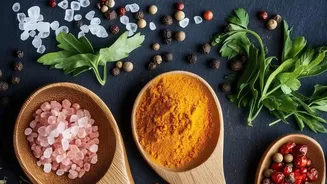
The first step to building a truly memorable dish is creating a deep, aromatic base. In cooking, “aromatics” are vegetables and spices that deliver foundational flavour and aroma when heated in fat. Think of the classic Indian trio of ginger, garlic,
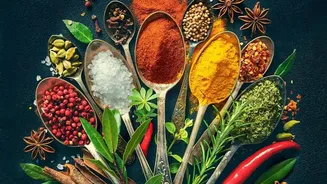
and onions, or whole spices like cumin seeds, mustard seeds, and cinnamon sticks. When you gently cook these ingredients in oil or ghee at the start, you are doing something crucial. The hot fat acts as a vehicle, extracting the fat-soluble flavour compounds from the aromatics. This process, often called blooming or tempering (like in a tadka), releases their essential oils and infuses the entire dish with a rich, complex character that you can't achieve by adding them later. This is the bedrock of flavour upon which everything else will be built.
The Art of Building the Base
Cooking your aromatics first is an art that requires a little patience. Whether you’re slowly sweating onions until they become soft and translucent or quickly popping mustard seeds for a tadka, the goal is the same: to transform raw, sharp flavours into something sweet, nutty, and complex. This initial cooking stage isn't just about softening vegetables; it's about initiating chemical reactions like caramelization and the Maillard reaction, which create hundreds of new flavour compounds. For vegetables like onions, carrots, and celery, a low-and-slow approach allows their natural sugars to emerge without browning too quickly. For whole spices, a quick sizzle in hot oil is enough to awaken their potential. Rushing this step is one of the most common home cooking mistakes; giving your base the time it needs is what creates that restaurant-quality depth.
Understanding Finishing Heat
Now, let's talk about the other end of the process: the finish. While some chillies and peppers are added at the start to build a deep, mellow warmth, “finishing heat” is all about adding a final burst of brightness, sharpness, and fresh aroma. This comes from ingredients added in the last few minutes of cooking or even right at the table. Think of a sprinkle of freshly ground black pepper, a swirl of fiery chilli oil, finely chopped green chillies, or a pinch of red chilli flakes. Unlike the spices cooked into the base, these ingredients are meant to be potent and immediate. Their job isn't to meld into the background, but to stand out and provide a vibrant contrast to the dish's deep, foundational flavours.
Why Heat Comes Last
There is a scientific reason for adding this type of heat at the end. The compounds that give fresh chillies their bright, almost fruity aroma and sharp kick are highly volatile. This means they evaporate quickly when heated. If you cook fresh green chillies for an hour in a curry, their bright, zesty character will be lost, mellowing into a more generic warmth. By adding them at the end, you preserve their lively, pungent qualities. This technique creates a more dynamic eating experience. Your palate first registers the deep, savoury notes of the aromatic base, followed by the bright, exciting spark of the finishing heat. It’s this layering of flavour—deep and mellow followed by bright and sharp—that makes a dish feel complete and professionally made.
Putting It All Together
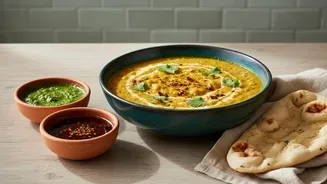
Let's apply this to a simple dish like a dal. You start by cooking your dal until soft. Separately, you prepare your aromatic base—the tadka. You heat ghee, pop mustard and cumin seeds, then sauté onions until golden, followed by ginger and garlic paste. You might add a pinch of asafoetida and some turmeric. This aromatic, flavour-infused ghee is poured into the cooked dal, forming its savoury soul. The dal simmers, allowing the flavours to meld. Now for the finish. Just before serving, you could stir in some chopped fresh coriander and a finely sliced green chilli. Or, for a different dimension, create a final finishing tadka of ghee, dried red chillies, and a pinch of Kashmiri red chilli powder for colour, poured over the top right as it goes to the table. The base provides the comfort; the finish provides the excitement.