





What is the 'No Insurance, No Fuel' Proposal?
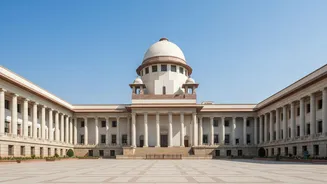
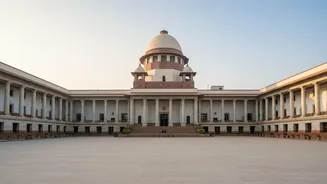
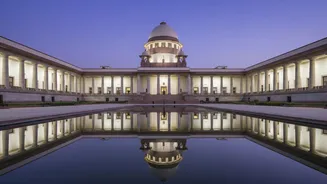
At its core, the "No Insurance, No Fuel" idea is a proposed enforcement mechanism to ensure all vehicles on Indian roads have mandatory third-party insurance. In early August 2026, the Supreme Court of India directed the Insurance Regulatory and Development
Authority of India (IRDAI) and the Ministry of Road Transport and Highways (MoRTH) to develop a pilot project based on this principle. Under the proposed system, petrol pumps would be required to verify a vehicle's insurance status before dispensing fuel. If a vehicle is found to be without a valid insurance policy, the fuel station could refuse to sell petrol or diesel to the owner until coverage is obtained. It is important to note this is currently just a proposal for a pilot test; it is not a rule in effect anywhere in the country.
The Sobering Problem It Aims to Solve
The push for such a drastic measure comes from a critical public safety crisis: a staggering number of uninsured vehicles. The Supreme Court noted that nearly 56% of all registered vehicles in India, which amounts to approximately 16.54 crore out of 30.48 crore vehicles, lack valid insurance. This non-compliance with the Motor Vehicles Act, which makes third-party insurance mandatory, has devastating consequences. When an accident involves an uninsured vehicle, victims and their families face immense difficulty and prolonged legal battles to receive financial compensation for injury, disability, or death, placing a heavy burden on them and the judicial system. By linking insurance to an essential daily need like fuel, the court hopes to significantly boost compliance and provide a safety net for accident victims.
How Would It Work in Practice?
The practical implementation would rely heavily on technology. The proposed system involves integrating fuel pump operations with the central VAHAN vehicle registration database and insurance company records. When a vehicle arrives for fuel, its number plate could be scanned using an Automatic Number Plate Recognition (ANPR) camera. This data would be instantly checked against the database to verify the status of its third-party insurance policy. If the policy is active, the transaction proceeds. If not, the system would flag the vehicle, and the pump operator would be instructed to deny fuel. The Supreme Court has also suggested providing police with handheld devices or mobile apps linked to the same databases for real-time verification during traffic stops.
The Arguments For and Against
Supporters argue this is a powerful tool to enforce existing laws and improve road safety. The dual benefit is clear: it helps identify uninsured vehicles and strongly incentivises owners to maintain continuous insurance coverage. For accident victims, it means a much higher chance of receiving timely compensation. However, critics point to significant practical hurdles. Petrol pump associations have previously raised concerns about long queues, potential arguments with customers, and the technical burden on their staff. The feasibility in rural areas with poor internet connectivity is another major question. Furthermore, issues around data accuracy, such as delays in updating recently renewed policies in the central database, could lead to legitimate vehicle owners being wrongly denied fuel.
What Happens Next?
The Supreme Court has asked the IRDAI and MoRTH to devise a framework for the pilot project. A hearing is scheduled for August 18, 2026, by which time the concerned parties are expected to respond. This next step will be crucial in determining the scope, location, and technological framework of the pilot. The court's directive is part of a broader push for safety, which also includes extending the mandatory third-party insurance period for new cars to four years and for new two-wheelers to six years. For now, vehicle owners should see this as a clear signal of stricter enforcement to come and an opportune moment to check that their own insurance policies are active and up-to-date.