

Why Monsoon Increases Food Safety Risks
The rainy season creates a favourable environment for harmful microorganisms to thrive. High humidity levels help bacteria, viruses, and fungi multiply rapidly on food surfaces and in the air. Furthermore, water sources can become contaminated during
heavy rains, increasing the risk of waterborne diseases like typhoid, cholera, and gastroenteritis entering your kitchen. Food tends to spoil much faster in damp conditions, and pests like flies become more active, potentially transferring germs to uncovered food. These factors combined mean that illnesses caused by contaminated food and water, such as food poisoning and diarrhoea, become more common during this time of year.
Mastering Produce Preparation
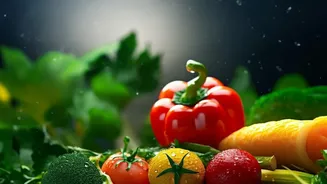
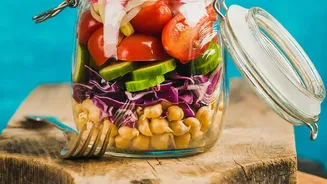
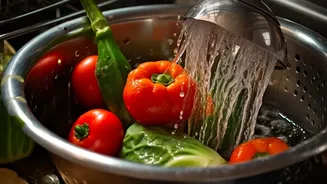
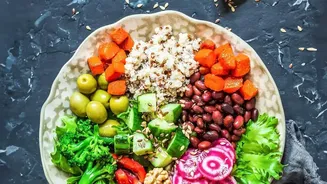
Fresh fruits and vegetables require meticulous cleaning during the monsoon. Leafy greens like spinach, and vegetables with many layers like cabbage, are particularly notorious for harbouring dirt and germs. It is essential to wash all produce thoroughly under clean, running water. For an extra layer of safety, you can soak vegetables in a solution of salt water or vinegar for about 10-15 minutes before rinsing them again. Avoid consuming raw salads from outside sources. If you do prepare salads at home, consider steaming the vegetables lightly. Always peel fruits just before you eat them and avoid consuming pre-cut fruits sold by street vendors, as they can be easily contaminated.
Handling Meat, Poultry, and Dairy
Perishable items like meat, fish, and dairy products spoil very quickly in the warm, humid weather of the monsoon. It is vital to purchase meat and seafood from reputable, hygienic sources and to store them in the coldest part of your refrigerator immediately. Use these items within a day or two of purchase. When cooking, ensure that all meat and poultry are cooked to a safe internal temperature to kill any harmful bacteria. Cross-contamination is another significant risk; always use separate cutting boards and utensils for raw meat and cooked foods. Be equally cautious with dairy products, ensuring they are always refrigerated and consumed well before their expiry dates.
The Golden Rules of Cooking and Storage
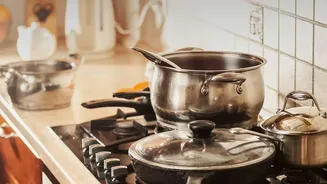
During the monsoon, it’s best to consume freshly cooked food whenever possible. The high humidity encourages mould growth, making leftovers more susceptible to spoilage. If you do have leftovers, refrigerate them promptly in airtight containers as soon as they cool down. When reheating food, make sure it is heated thoroughly; bring liquids like soups and gravies to a rolling boil to kill any bacteria that may have developed. It's also wise to cook smaller quantities of food to avoid having leftovers in the first place. Proper storage extends to dry ingredients as well, which should be kept in airtight containers to protect them from moisture and pests.
Rethinking Street Food Cravings
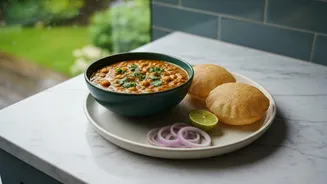
While the allure of hot, crispy street food is strongest during a downpour, this is also when it carries the highest risk. Street food vendors may face challenges with hygiene, including the use of contaminated water for cooking and washing, uncovered ingredients, and unhygienic handling. Items like chaat, pani puri, and raw chutneys are particularly risky as they often involve uncooked components and untreated water. If you must indulge, opt for vendors who prepare food fresh in front of you in clean conditions and stick to items that are served piping hot. However, the safest approach is to replicate your favourite street-side snacks at home.