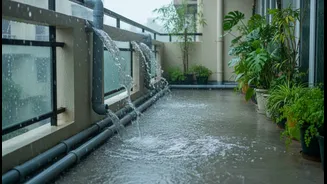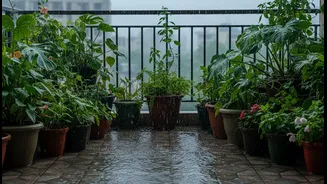






Why Standing Water Is The Real Enemy
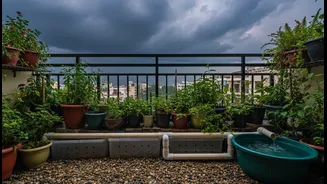
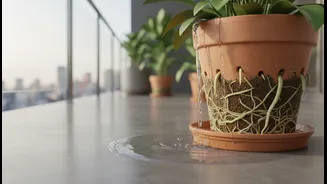
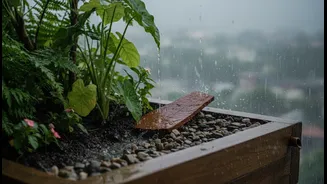
When rain is constant, the soil in your pots can become completely saturated. This is known as waterlogging. Unlike in a garden where excess water can seep deep into the earth, a pot is a closed system. When water fills every air pocket in the soil, roots
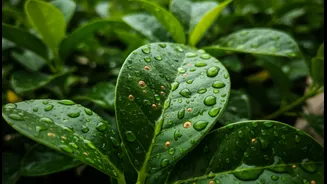
are deprived of oxygen and essentially begin to drown. This leads to root rot, a condition that is often irreversible by the time you notice symptoms like yellowing leaves and mushy stems. High humidity and constantly damp conditions also create the perfect breeding ground for fungal diseases like powdery mildew, rust, and leaf spot, which thrive in the Indian monsoon. Preventing water from standing in or around your pots is the single most effective way to combat these issues.
The Right Potting Mix Makes All The Difference
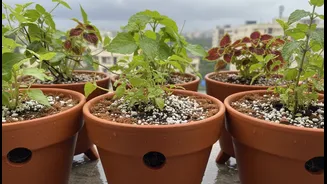
Heavy, dense soil, especially clay-based soil, is a major problem during the monsoon because it holds onto water for too long. Your first line of defence is a lightweight, well-aerating potting mix. You can buy pre-made mixes or create your own. A good, basic recipe for monsoon readiness is a blend of regular potting soil, compost, cocopeat, and a material that improves drainage, like perlite or coarse sand. Cocopeat helps retain just enough moisture without becoming waterlogged, while perlite, a type of volcanic glass, creates air pockets in the soil, allowing excess water to drain away quickly. Never use soil directly from a garden bed in your pots, as it compacts easily and can introduce pests and diseases.
Upgrade Your Drainage System
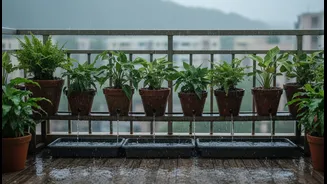
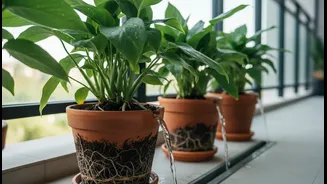
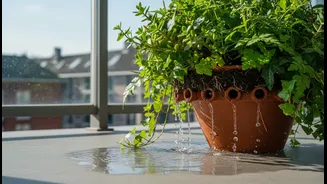
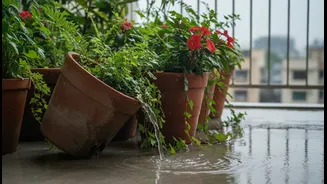
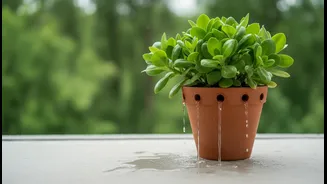
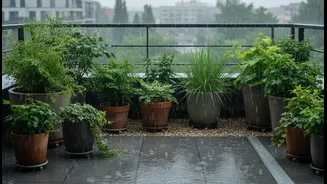
Even the best soil won't help if water has no way to escape. Ensure every pot has multiple, clear drainage holes at the bottom. During the monsoon, it's crucial to elevate your pots. Placing them directly on the balcony floor can cause the drainage holes to become blocked, trapping water. Use pot feet, bricks, or wooden blocks to lift your containers even a few centimetres off the ground. This small gap allows air to circulate underneath and ensures water can flow out freely. Also, make it a habit to empty any saucers or trays placed under pots immediately after a heavy shower. Letting a pot sit in a tray full of water completely negates the benefit of good drainage.
Watering Wisely During The Rains
It might seem counterintuitive, but you may still need to water your plants during the monsoon. Rain can be inconsistent, and a windy day can dry out the top layer of soil even when it's humid. However, you must abandon any fixed watering schedule. The golden rule is to check the soil first. Poke your finger about one to two inches into the soil. If it feels dry at that depth, it's time to water. If it feels damp, leave it alone, even if it hasn't rained that day. Overwatering is a far greater risk than underwatering during this season. When you do water, do so in the morning to allow any excess moisture on the leaves to evaporate during the day.
Pruning for Airflow and Pest Patrol
The lush, rapid growth spurred by the monsoon can be a double-edged sword. Dense foliage reduces air circulation, trapping humidity and creating an ideal environment for fungal growth. Regularly prune your plants to thin out crowded areas. This not only improves airflow but also encourages healthier, more robust growth. The damp conditions also attract pests like slugs and snails. Be vigilant and inspect your plants regularly, especially the undersides of leaves. Fungal infections often appear as white, powdery patches or dark spots. A preventive spray of neem oil solution every 10-15 days can be an effective, organic way to keep many pests and fungal issues at bay.
Choose Your Plants with the Season in Mind
Some plants simply handle the monsoon better than others. This is a great time for foliage plants like ferns, colocasia, and spider plants, which thrive in high humidity. Flowering plants like hibiscus, jasmine (mogra), and rain lilies also perform beautifully. On the other hand, plants that store water in their leaves, such as succulents, cacti, and jade plants, are extremely prone to rot and should be moved to a covered spot where they are protected from direct rain. Understanding which of your plants love the rain and which merely tolerate it allows you to position them for success.