





Embrace Warm Soups and Broths
There's nothing more comforting than a warm bowl of soup on a rainy day, and it's also one of the healthiest choices you can make. During the monsoon, both modern nutrition and Ayurveda agree that the body's digestive fire, or 'agni', is weaker. Warm,
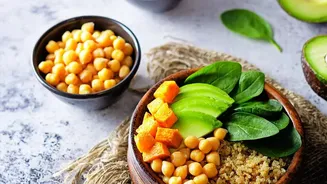
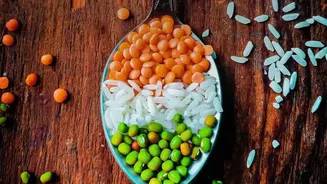
cooked foods are easier to digest than cold or raw items. Soups made from monsoon vegetables like bottle gourd (lauki) or with lentils like moong dal are light, nutritious, and hydrating. They provide essential nutrients without overburdening your digestive system, helping you stay energised and strong.
Spice Things Up with Turmeric and Ginger
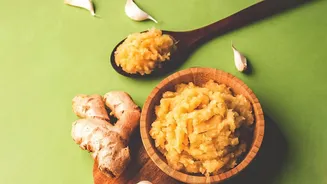
Indian kitchens are already full of powerful, immunity-boosting spices, and monsoon is the perfect time to use them generously. Turmeric, with its active compound curcumin, is a potent anti-inflammatory and antimicrobial agent that helps your body fight off pathogens. Ginger is another warming spice that is excellent for digestion and soothing a sore throat. Starting your day with a warm ginger tea or ending it with turmeric milk (haldi doodh) are simple and effective ways to build your defences against common colds and flu.
Choose Seasonal Fruits Wisely
While it's best to avoid pre-cut fruits from street vendors due to a higher risk of contamination, enjoying seasonal fruits at home is highly recommended. Look for fruits like jamun, pears, plums, cherries, and pomegranates. These fruits are packed with vitamins, minerals, and antioxidants that are crucial for a strong immune system. Amla, or Indian gooseberry, is another monsoon superfood, containing more Vitamin C than an orange, which is essential for producing infection-fighting white blood cells. Papaya, with its digestive enzyme papain, can also aid digestion during this sluggish season.
Incorporate Probiotics Like Yogurt
Gut health is the foundation of a strong immune system. Probiotic-rich foods like homemade yogurt or curd help maintain a healthy balance of gut bacteria. According to Ayurveda, it's best to have curd during the daytime and avoid it at night, as it can be cooling. A simple bowl of fresh curd at lunch or a glass of spiced buttermilk (chaas) can significantly improve your digestion and help your body absorb nutrients more effectively, which is especially important when the digestive system is vulnerable.
Stick to Well-Cooked Vegetables
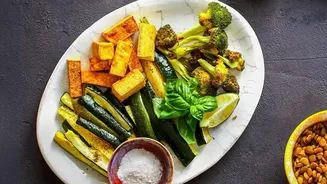
Raw salads and leafy greens are best avoided during the monsoon. The high humidity and moisture make them prone to contamination with germs and bacteria that can lead to stomach infections. Instead, opt for well-cooked vegetables. Steaming, stewing, and stir-frying are excellent preparation methods. Vegetables that grow above the ground, such as bitter gourd (karela), ridge gourd (turai), and pumpkin, are generally safer choices. Cooking these vegetables kills any potential pathogens, making them a safe and nourishing part of your monsoon diet.
Sip on Herbal Teas
Staying hydrated is crucial, but it's wise to be cautious about your water source. Drinking boiled or filtered water is a must. A great way to increase your fluid intake and gain health benefits is by sipping on warm herbal teas throughout the day. Teas made with ingredients like tulsi (holy basil), ginger, mint, and other digestive spices like cumin and coriander not only provide warmth and comfort but also have antiviral and antibacterial properties that help prevent infections.