






The Indian festive season, once synonymous with unrestrained shopping, is undergoing a profound change. The cart is no longer piled high without a second thought; instead, a more discerning consumer is emerging. But this is not just about cutting back.
A New Definition of Festive 'Splurge'
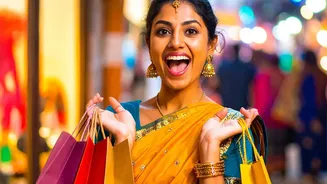
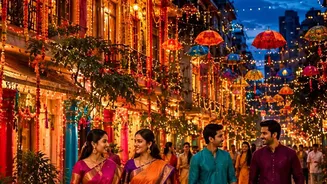
The narrative of India’s festive season is being rewritten. While shopping remains central to celebrations like Diwali and Dussehra, the mindset has shifted from 'more is more' to 'better is better'. Recent data shows a complex picture: while overall festive spending in urban India is projected to see a slight dip in 2026, this masks a deeper trend. Consumers are not necessarily stopping their spending; they are redirecting it. This evolution is less about austerity and more about making intentional, value-driven choices, a behaviour analysts call 'calibrated consumption'. Instead of buying ten items, the modern shopper may buy five, but ensure they are of higher quality, more durable, or offer a better experience.
The Pinch of Rising Prices
One of the most significant drivers of this change is the persistent pressure on household budgets. With retail inflation reaching 5.54% in September 2026 and food inflation even higher at 7.74%, the cost of daily essentials has risen noticeably. This economic reality forces families to be more deliberate with their discretionary funds. When everyday items cost more, there's simply less room for impulsive, non-essential purchases. Furthermore, a recent interest rate hike by the Reserve Bank of India makes borrowing for big-ticket items more expensive, adding another layer of caution for consumers planning to buy cars, electronics, or other major goods.
The Rise of the 'Value-Conscious' Shopper
Beyond economic pressures, a cultural shift is at play. The Indian consumer is more informed and digitally savvy than ever before. Before making a purchase, they are researching ingredients, comparing product reviews, and seeking out brands that align with their personal values, such as sustainability and wellness. This quest for value is not just about finding the lowest price; it's about justifying the expense. According to a YouGov India report for 2026, a significant portion of consumers plan to shop more carefully within their existing budgets. This smarter approach is forcing brands to move beyond simple premium positioning and clearly communicate the value and quality their products offer.
Trading Up: The Premiumization Wave
This selective spending is fuelling a powerful trend known as 'premiumization'. Rather than buying mass-market products, a growing number of consumers are 'trading up'. They are willing to spend more on premium apparel, higher-quality foods, or electronics with better features. Reports from 2026 show that the premium apparel segment, for instance, is growing at a much faster rate than the overall retail market. This is also visible in smartphone sales, where the value of the market is rising due to pricier models even as the total number of units sold might be falling. This indicates that consumers are prioritising quality and are willing to invest in products that last longer and perform better.
From Possessions to Priceless Moments
There's also a fundamental reallocation of the festive budget underway, from physical goods to memorable experiences. Reports indicate that spending on travel, hospitality, and leisure is projected to grow faster than spending on goods through 2030. For many, especially younger consumers, the joy of a weekend getaway, a concert, or a special meal with family outweighs the novelty of a new gadget. One survey found that 78% of Indian consumers preferred experiences over products. This shift accelerated after the pandemic, creating a sustained demand for travel and other activities that allow people to create lasting memories.