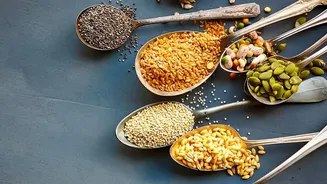


What Are Ancient Grains?
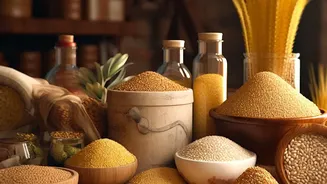
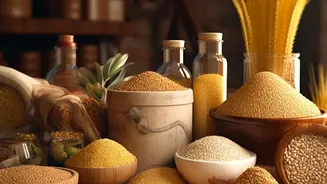
The term 'ancient grains' refers to grains and pseudocereals (seeds that act like grains) that have remained largely unchanged for thousands of years. Unlike modern wheat or polished white rice, which have been heavily modified for mass production, ancient grains are
closer to their original form. This means they often deliver a richer profile of protein, fibre, vitamins, and minerals. Many of these, like millets and amaranth, were staples in Indian kitchens for centuries before industrial agriculture shifted our focus.
The Big Benefits: Why Make the Switch?
Incorporating ancient grains is a small change with significant health rewards. Their high fibre content aids digestion, keeps you feeling full longer, and helps manage weight. This fibre also helps to slow down the release of sugar into the bloodstream, making them excellent for blood sugar control. Many ancient grains are naturally gluten-free and packed with more protein, iron, and magnesium than their refined counterparts, contributing to better energy levels, heart health, and overall wellness.
Get to Know: Millets (Jowar, Bajra, Ragi)
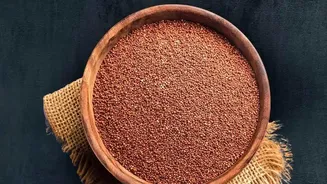
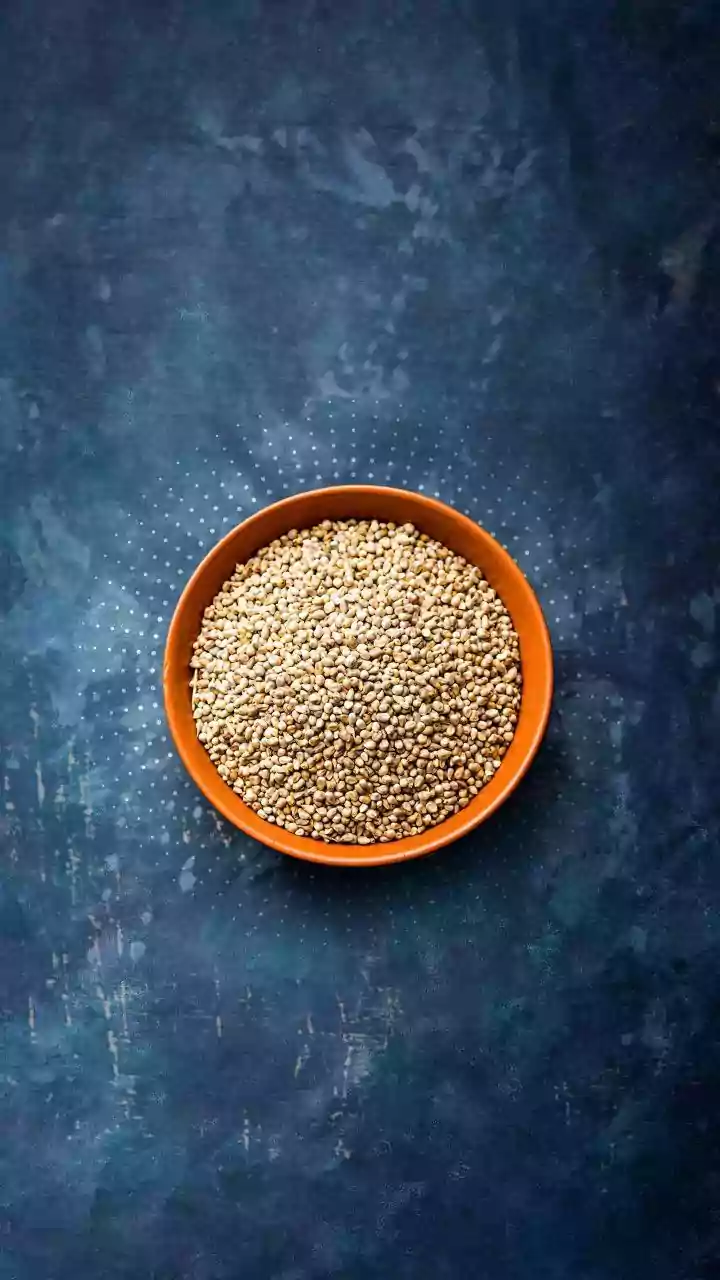
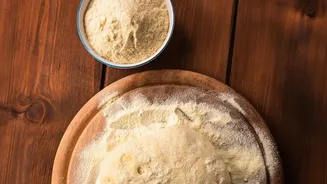
Millets are a diverse group of grains that were once the backbone of the Indian diet. Jowar (Sorghum) is a fantastic gluten-free flour for making rotis and is rich in protein and fibre. Bajra (Pearl Millet), a winter staple, is packed with iron. Ragi (Finger Millet) is a nutritional powerhouse, boasting the highest calcium content of almost any grain, making it exceptional for bone health. All millets have a lower glycemic index than white rice, supporting stable energy levels. You can easily make rotis from their flour, cook them whole like rice, or prepare traditional porridges.
Get to Know: Amaranth (Rajgira)
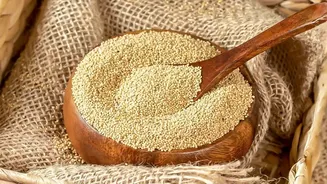
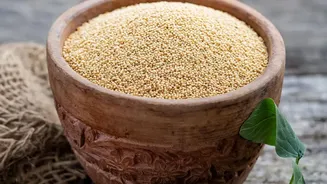
Often seen during fasting periods, Rajgira deserves a year-round spot in your pantry. Technically a seed, amaranth is a 'complete protein', meaning it contains all nine essential amino acids—a rare quality in plant-based foods. It's also gluten-free and a great source of iron, magnesium, and phosphorus, which are vital for blood health, energy, and strong bones. It has a slightly nutty, sweet flavour and cooks into a wonderful porridge or can be used in place of rice.
Get to Know: Quinoa
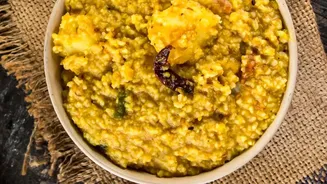
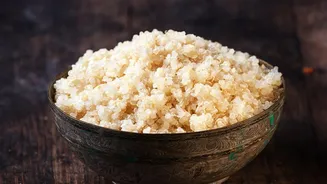
Though native to South America, quinoa has been embraced in India for its incredible health benefits and versatility. Like amaranth, it is a complete, gluten-free protein. It's also rich in fibre and minerals like magnesium and iron. Quinoa cooks in just 15-20 minutes, making it a fast alternative to brown rice. Its mild, nutty taste makes it a perfect base for Indian dishes like pulao, upma, khichdi, and even salads.
Simple Tips for Daily Meals
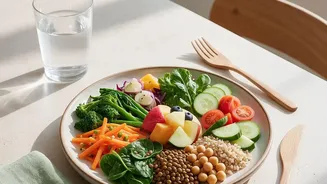
Adopting ancient grains doesn't require a complete kitchen overhaul. Start with simple swaps. Try mixing 1/4 part jowar or ragi flour into your regular chapati atta to boost fibre. Replace half of the white rice in your next pulao or khichdi with cooked quinoa or kodo millet. A warm bowl of ragi or amaranth porridge makes for a incredibly nutritious breakfast. You can even use cooked millets as a base for a healthy upma or lemon rice. The key is to start small and experiment with flavours and textures you enjoy.