





What Are Sandige, Exactly?
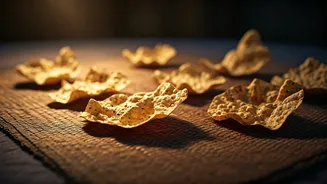
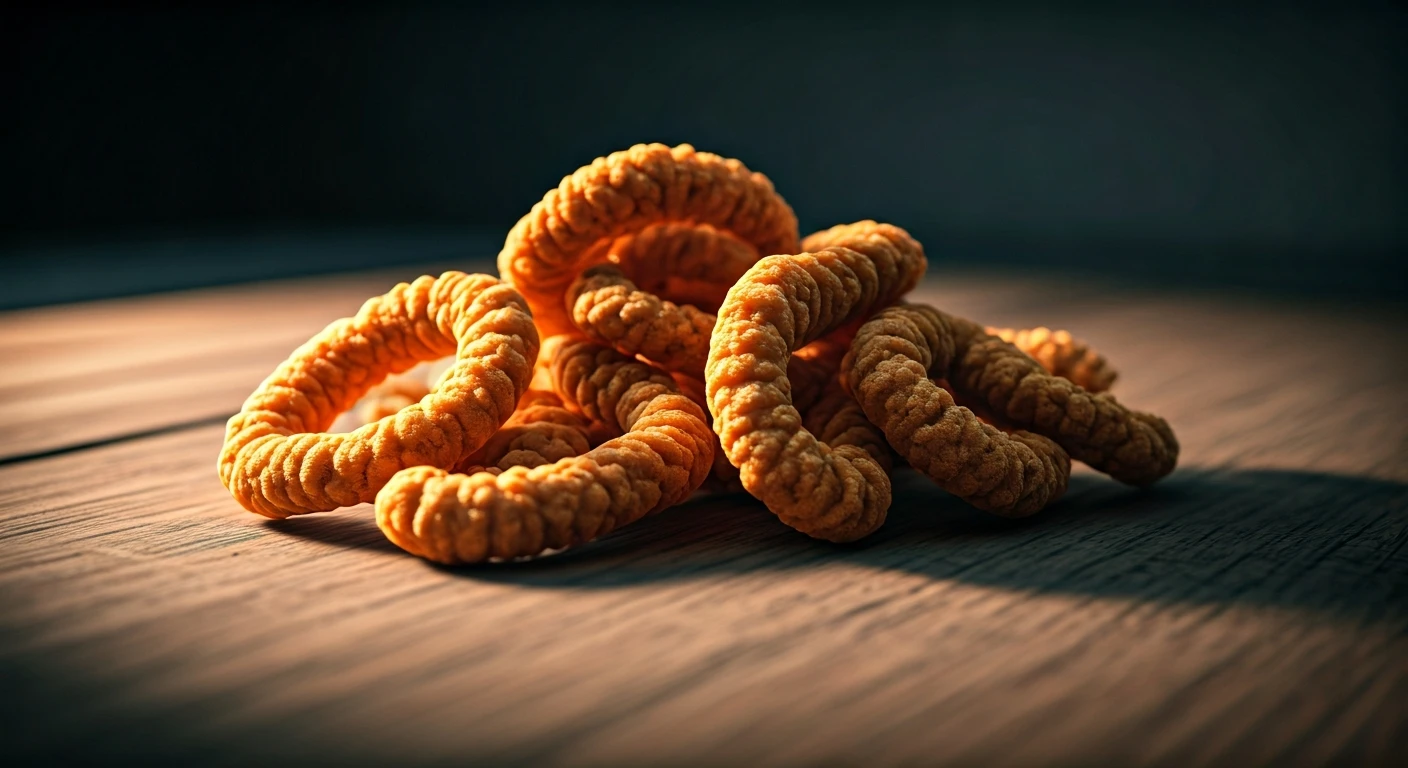
Known as sandige in Karnataka, vadam in Tamil Nadu, or simply fryums in modern parlance, these are sun-dried crisps made from a starchy base. Think of them as a traditional, homemade version of the colourful, store-bought fryums you might remember from childhood.
At their core, they are a brilliant method of food preservation, turning surplus grains and vegetables into shelf-stable snacks that can be deep-fried or roasted to crispy perfection whenever you need a quick side dish or a crunchy bite. While they can be made from sago, lentils, or various flours, the leftover rice version is a true testament to the ingenuity of our ancestors.
The Ultimate Zero-Waste Hero
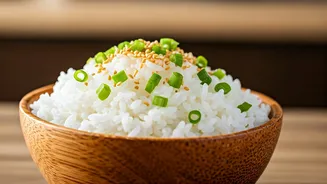
The term 'zero waste' might be a modern buzzword, but the philosophy behind it has been practiced in Indian homes for generations. Rice sandige are the perfect example. That last cup of cooked rice that isn't enough for another meal? Or rice that turned a bit too mushy? Instead of ending up in the bin, it gets a glorious second life. By transforming it into sandige, our grandmothers ensured that not a single grain was wasted. This practice is a powerful lesson in resourcefulness, turning potential food waste into a delicious, value-added product that can be stored for months. It’s a sustainable cycle that respects both food and the effort that went into growing it.
From Leftovers to Lasting Flavour
The process of making rice sandige is a beautiful, slow-paced ritual that requires little more than patience and a bit of sunshine. The leftover rice is first mashed or ground into a smooth, thick paste. This paste is then seasoned to create a unique flavour profile. Common additions include cumin seeds (jeera) for a warm, earthy taste, green or red chillies for a bit of heat, asafoetida (hing) for its pungent aroma, and salt. Some recipes even call for sesame seeds or finely chopped curry leaves. This seasoned batter is the heart of the sandige, where simple leftovers begin their transformation into a flavourful snack.
Harnessing the Power of the Sun
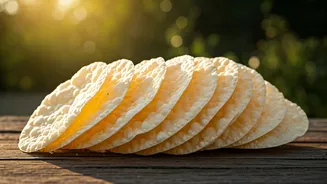
Once the batter is ready, the magic of sun-drying begins. The paste is traditionally piped or spooned into small, coin-sized discs or thin strips onto a clean cloth, plastic sheet, or even a large steel plate. These are then left out in the harsh summer sun for several days. The sun acts as a natural dehydrator, slowly drawing out every bit of moisture until the sandige are bone-dry, brittle, and translucent. This crucial step is what makes them shelf-stable, preserving them without the need for any artificial preservatives. It’s a process that connects the kitchen directly to nature, relying on the sun’s energy to create something that will last through the monsoon and beyond.
The Final, Satisfying Crunch
After days of patient sun-drying, the reward is a jar full of potential. When you're ready to eat them, the sandige are either deep-fried in hot oil, where they puff up instantly into light, airy crisps, or roasted directly over a flame for a healthier, smokier flavour. The result is an incredibly satisfying crunch with every bite. These crispy delights are the perfect accompaniment to a simple meal of dal and rice, adding a much-needed textural contrast. They also serve as a fantastic standalone evening snack with a cup of chai, far healthier and more personal than a packet of chips.