






The Sobering Numbers on India's Fibre Gap
Recent studies paint a clear picture of a widespread nutritional shortfall across India. A study from October 2026 highlighted that despite growing awareness, about 61% of urban Indians consume less than the recommended daily amount of fibre. Another
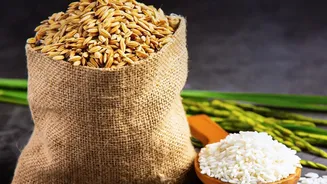
survey released on World Digestive Health Day, which analyzed responses from over 6.5 lakh participants, found that nearly seven in ten Indians do not meet their daily fibre needs. The gap is particularly noticeable among women, with over 73% falling short, compared to 63% of men. This isn't just a niche health concern; it's a nationwide trend linked to the increasing dominance of refined grains like white rice and maida, and a lower intake of diverse fruits, vegetables, and whole grains.
Why Fibre is Your Body's Unsung Hero
So, why does this matter? Dietary fibre, the indigestible part of plant foods, is crucial for more than just preventing constipation. It plays a vital role in overall health. There are two types: soluble fibre (found in oats, apples, and dal) dissolves in water to form a gel, which helps lower cholesterol and regulate blood sugar levels. This is especially important in a country with rising rates of diabetes and heart disease. Insoluble fibre (found in whole grains and vegetables) adds bulk to stool, promoting regular bowel movements and supporting overall gut health. A high-fibre diet makes you feel full for longer, which can help with weight management by reducing overall calorie intake.
Are You Getting Enough? The Daily Target
According to the Indian Council of Medical Research - National Institute of Nutrition (ICMR-NIN), the recommended dietary allowance is around 30 grams of fibre per day for an adult man and 25 grams for an adult woman. However, many urban Indians consume less than half of this amount. The shift towards processed and convenience foods, coupled with habits like peeling fruits and vegetables, has stripped much of the natural fibre from our plates. While awareness of nutrients like protein is on the rise, knowledge about fibre remains low. One study found that while 59% of people claimed to know their daily requirement, a staggering 89% were actually misinformed.
Fibre-Charging Your Daily Indian Meals
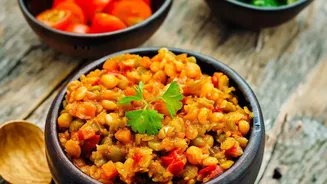
The best part is that you don’t need to overhaul your diet completely. The solution lies in making smart swaps and additions to the foods you already eat. Start your day by replacing refined poha with oats topped with chia seeds, or add roasted peanuts to your poha. For lunch, instead of two plain wheat rotis, have one whole wheat roti and one made from jowar or ragi. Keep your dal-chawal, but use a mix of brown and white rice. Simple additions like a side of bhindi (okra), spinach, or green peas can significantly boost your fibre intake. Including a variety of dals like masoor, moong, and chana throughout the week is another easy win.
Snack Smarter and Embrace Whole Foods
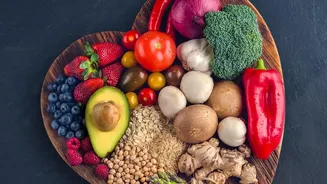
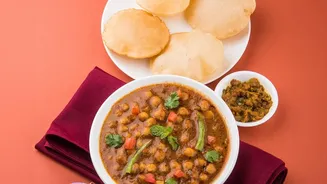
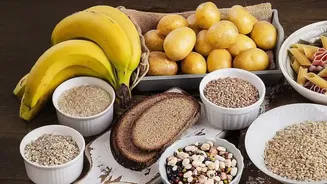
Snack time is another great opportunity to increase fibre. Instead of reaching for packaged biscuits, opt for a handful of roasted chana, which can provide 5-6 grams of fibre. Choose whole fruits over juices; an apple or a guava with its skin on is packed with fibre. Guava, in particular, is one of the highest-fibre fruits commonly available in India. Other excellent sources that fit easily into an Indian diet include legumes like rajma and chole, millets like bajra and ragi, and seeds like flax and sesame. Even dark chocolate can contribute a small amount. The key is to focus on a diverse plate filled with whole, minimally processed plant foods.