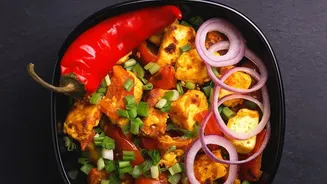



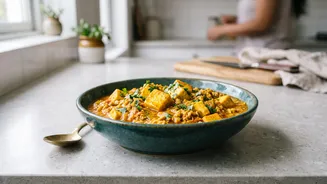
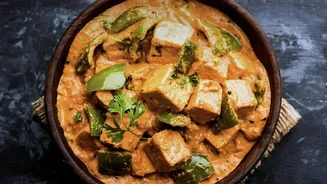
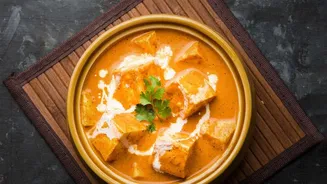
In the chaotic, vibrant world of Indian street food, some names are as delicious as the dishes themselves. Enter 'Ghotala', a word that literally means 'scam' or 'mess', but on the streets of Surat, it means a flavour-packed, mashed-up delight.
What Exactly is a 'Ghotala'?
In the
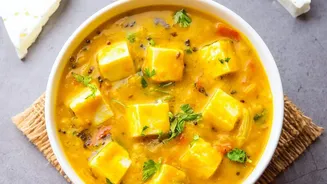
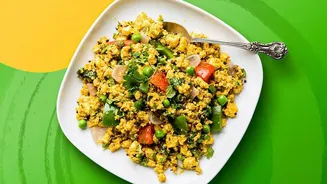
culinary world, 'Ghotala' refers to a glorious mess. It’s a style of cooking where ingredients are mashed and mixed together on a large, flat griddle called a tawa, creating a semi-liquid curry that’s greater than the sum of its parts. The name might playfully translate to 'scam' or 'chaos', but the result is a perfectly engineered explosion of flavour and texture. This dish is a testament to the ingenuity of street food vendors, who often create catchy names to attract customers to their unique creations. The most famous iteration is Anda Ghotala (Egg Ghotala), a spicy scramble that originated in Surat, Gujarat. But for the vast vegetarian population, an equally compelling version was born: Paneer Ghotala.
From Egg to Paneer: A Vegetarian Classic
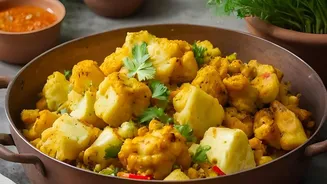
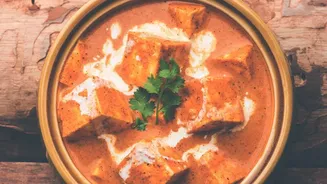
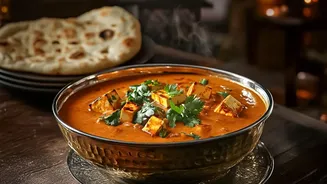
Paneer Ghotala is the popular vegetarian adaptation of the original egg-based dish. It takes the same chaotic, flavour-forward principle and swaps eggs for soft, crumbly paneer. This version is particularly famous in Surat and has become a beloved street food across Gujarat and in cities like Mumbai. Unlike Paneer Bhurji, which is a simpler dry scramble of paneer and spices, Ghotala is wetter, richer, and more complex. The paneer is typically grated or crumbled and then mashed into the gravy, creating a creamy, thick consistency that’s entirely its own. Some vendors even use multiple textures of paneer—grated, crumbled, and cubed—to mimic the complexity of the original egg version.
The Heart of the Dish: The Masala
The soul of Paneer Ghotala lies in its robust and tangy masala. It starts with a generous amount of butter and oil sizzling on the tawa, followed by finely chopped onions, tomatoes, capsicum, and a potent ginger-garlic paste. But the true magic comes from the blend of spices. Pav Bhaji masala is a key ingredient, lending the dish its signature tangy, street-food flavour that is instantly recognizable. This is layered with red chilli powder for heat, turmeric for colour, and sometimes garam masala or kitchen king masala for added depth. Some variations popular in Surat also use a 'leela masala', a green chutney made from fresh green garlic, coriander, and chillies, which gives the dish a punchier, herbaceous flavour. The result is a gravy that is spicy, savoury, and slightly sour, all at once.
The Tawa and the 'Mash'
You can't talk about Ghotala without mentioning the process. The dish is traditionally cooked on a large, flat iron tawa, the same kind used for Pav Bhaji. This wide surface allows the ingredients to be moved around, cooked quickly at high heat, and, most importantly, mashed. Using a metal masher, the chef continuously presses and mixes the onions, tomatoes, and spices until they break down into a homogenous gravy. Once the grated paneer is added, it too gets mashed into the mixture, absorbing all the flavours of the masala. This constant 'ghotala' or mashing action is what defines the dish's unique texture—not quite a scramble, not quite a curry, but a delicious, messy state in between. To finish, a generous dollop of butter and a handful of processed cheese are often mixed in, adding a final layer of creamy indulgence.
How to Enjoy It Like a Local
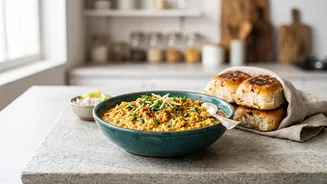
Paneer Ghotala is rarely served alone. The classic and non-negotiable accompaniment is pav, soft white bread rolls, lavishly buttered and toasted on the same tawa, often with a sprinkle of the same masala. The buttery pav is the perfect vehicle for scooping up the rich, spicy paneer mixture. The dish is typically garnished with a final flourish of chopped fresh coriander, a squeeze of lime to cut through the richness, and sometimes more grated cheese on top. Served hot off the tawa, it’s a communal, hands-on eating experience that embodies the heart and soul of Indian street food.