








The New Wellness Bling
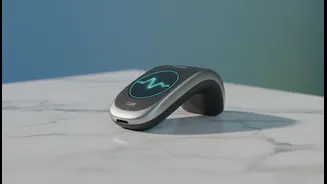
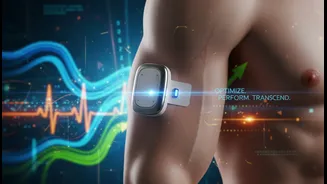
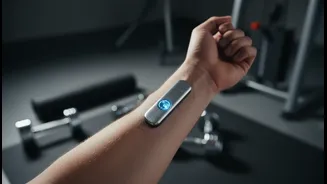
What you're seeing is data from a Continuous Glucose Monitor (CGM). Traditionally a life-saving tool for people with diabetes, a CGM is a small sensor worn on the arm that tracks glucose levels in real-time. It sends data to a smartphone, revealing how
your body's blood sugar responds to food, exercise, stress, and sleep. Now, this medical device has crossed over into the mainstream wellness world. Fitness enthusiasts and bio-hackers are adopting CGMs not for managing a disease, but for optimising their health and performance, turning a medical tool into a status symbol for metabolic awareness. Companies in India and abroad are now marketing these devices directly to health-conscious consumers for fitness and preventive care.
The Quest for Peak Performance
For athletes and fitness buffs, the appeal is clear: data. They believe that by monitoring their glucose, they can unlock the next level of performance. The goal is to maintain stable blood sugar, avoiding the energy-sapping spikes and crashes. An athlete might use a CGM to perfect their pre-workout meal, ensuring they have sustained energy without a sudden drop mid-session. They experiment with different foods to see what provides a steady stream of fuel versus a sharp, brief spike. This real-time feedback loop is powerful; it’s the difference between guessing how your body reacts and knowing for sure.
Decoding the Spikes and Dips
On social media, users share charts marking out which foods caused a 'spike' and which resulted in a 'stable' line. A normal glucose response to a meal involves a rise and fall, but the wellness trend focuses on flattening this curve as much as possible. Users aim to keep their glucose within a tight, healthy range, often between 70 and 140 mg/dL. The thinking is that large, frequent spikes could be early indicators of metabolic issues down the line, and that managing them can improve energy, aid weight management, and enhance recovery. This has created a culture of food-logging and data-sharing, where a plate of oatmeal is no longer just breakfast, but a data point to be analysed and shared.
A Tool or a Trap?
While proponents see CGMs as a tool for empowerment, many medical professionals urge caution. Endocrinologists point out that the evidence for long-term benefits in healthy, non-diabetic people is still very limited. A post-meal glucose spike is a normal physiological process, not necessarily a danger sign. Experts worry that healthy individuals might misinterpret normal fluctuations, leading to unnecessary anxiety or even the restriction of healthy foods like fruits. Furthermore, the devices aren't always perfectly accurate and can be affected by things like pressure or dehydration, leading to false alarms that cause undue stress.
The Mental and Financial Cost
Beyond the physical, there are psychological and financial costs. The constant stream of data can foster an unhealthy obsession with numbers, potentially leading to anxiety or disordered eating patterns like orthorexia, where a person becomes fixated on 'healthy' eating. Instead of intuitive eating, every meal becomes a test to be passed or failed based on the CGM reading. Then there's the price. Without a medical diagnosis like diabetes, these devices are typically not covered by insurance, meaning users are paying out-of-pocket, which can run into hundreds of dollars per month. This raises questions about equity, as it makes optimised health a luxury good.