






The New Shape of Rain
For centuries, India has moved to the predictable beat of the monsoon. But climate change is turning this reliable rhythm into a chaotic drum solo. Scientists have observed a significant shift in rainfall patterns across the country. The gentle, sustained
drizzles that allow water to percolate deep into the soil are being replaced by short, aggressive bursts of extreme rain. These deluges often lead to flooding and soil erosion, washing away vital nutrients before the forest floor can absorb them. This is followed by longer, more pronounced dry periods. This pattern of 'wet years getting wetter and dry years getting drier' creates a double-edged sword for forests, which are adapted to a more consistent supply of moisture. This increased variability is a direct threat, weakening ecosystems from the mighty Himalayas to the coastal Western Ghats.
The Western Ghats Under Stress
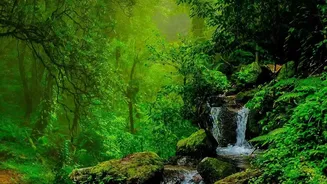
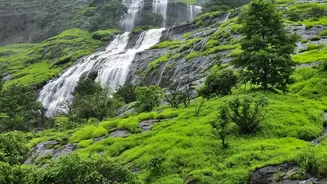
The Western Ghats, a UNESCO World Heritage site and one of the world's eight 'hottest hotspots' of biodiversity, owes its lushness to the monsoon. But this fragile paradise is showing signs of strain. The new rainfall patterns are disrupting the life cycles of countless species. For example, some amphibians, like the rare Matheran Wrinkled Frog, lay their eggs on damp rocks, depending on continuous moisture to survive. A sudden break in the monsoon can dry out these clutches, wiping out an entire generation. The changing phenology—the timing of natural events like flowering and fruiting—is also affecting trees. This can weaken their ability to photosynthesize and act as long-term carbon sinks. While some parts of the Ghats may prove resilient, the overall ecosystem faces an unpredictable future, with some studies warning of significant forest dieback if warming continues.
From Central Forests to Himalayan Slopes
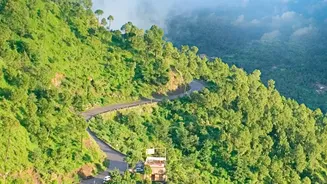
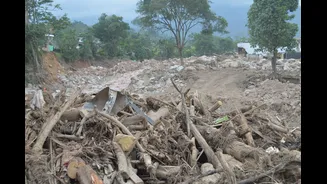
The impact is not confined to the coasts. In Central India, a study of the Panchmarhi Biosphere Reserve in Madhya Pradesh found that decades of rising temperatures and shifting rains contributed to a significant loss of forest cover. Dry teak forests have been particularly hard-hit, and the risk of forest fires has increased due to warmer temperatures and lower precipitation. Further north, the Himalayas face a dual threat. Erratic monsoons are leading to more frequent landslides and flash floods, physically destabilizing forested slopes. At the same time, shifting precipitation patterns threaten forestry and the availability of non-timber products that local communities depend on for their livelihoods. Changes in monsoon dynamics could alter the very role of the Himalayas as a climatic barrier, with immense consequences for water security for over a billion people downstream.
A Glimpse Into a New Ecology
As rainfall patterns shift, so does the composition of the forests themselves. Some species may fail to adapt, while others migrate to more suitable climates, and new species may move in. In some regions, there is a risk of 'savannization,' where dense, moist forests gradually transition into more open, scrub-like landscapes. This has been observed in parts of Central India where forest patches have converted to scrubland. This doesn't just mean a change in scenery; it represents a fundamental loss of biodiversity and a weakening of the ecosystem services that forests provide, such as carbon storage, water purification, and soil preservation. The destruction of these ecosystems can, in turn, affect regional rainfall distributions, creating a dangerous feedback loop that further destabilizes the climate on which millions depend for agriculture.