






The Concentrated Sugar Rush
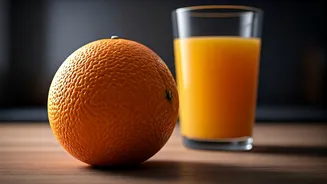
The biggest issue with fruit juice is sugar. When you juice a fruit, you extract the water and sugar, leaving most of the beneficial fibre behind. A single glass of orange juice, for instance, can contain the sugar of three to four oranges, but you consume
it in seconds. Without the fibre to slow it down, this fructose hits your liver in a concentrated wave, much like a sugary drink. Your body processes this liquid sugar rapidly, leading to a quick spike in blood sugar, followed by a potential crash that can leave you feeling tired and hungry again soon after. This is very different from the slow, gentle release of sugar you get from eating a whole orange.
The Missing Hero: Fibre
Fibre is the unsung hero of fruit, and it’s the main casualty of the juicing process. There are two types of fibre, soluble and insoluble, and both are crucial for good health. Soluble fibre, found in the fleshy parts of fruits like apples and oranges, helps slow down digestion. This prevents blood sugar spikes and feeds the good bacteria in your gut. Insoluble fibre, found in the skins and seeds, adds bulk to your stool and keeps your digestive system regular. Juicing removes almost all of this fibre, turning a nutrient-dense food into little more than sugar water with some vitamins. You lose the very component that makes fruit so healthy in the first place.
Satiety and the Calorie Factor
Have you ever tried eating four whole oranges in one sitting? It would be a challenge. But you can easily drink the juice from four oranges in a minute. This highlights a key difference: satiety, or the feeling of fullness. The physical act of chewing and the presence of fibre in whole fruit send signals to your brain that you are full, helping to regulate your appetite. Liquid calories from juice don't provide the same satisfaction. You can consume hundreds of calories from juice without feeling full, making it easy to overconsume and contributing to weight gain over time. The body simply doesn't register liquid calories in the same way it registers calories from solid food.
How Juice Got Its Health Halo
For decades, aggressive marketing campaigns positioned fruit juice, particularly packaged orange juice, as an essential part of a healthy breakfast. It was promoted as a convenient and quick way to get your daily dose of Vitamin C. While juice does contain vitamins, the marketing conveniently overlooked the high sugar content and lack of fibre. This health halo was so effective that generations grew up believing juice was functionally equivalent to fruit. Today, as nutritional science becomes more mainstream and accessible, consumers are realising that convenience came at a hidden cost to their metabolic health.
Making the Smart Switch
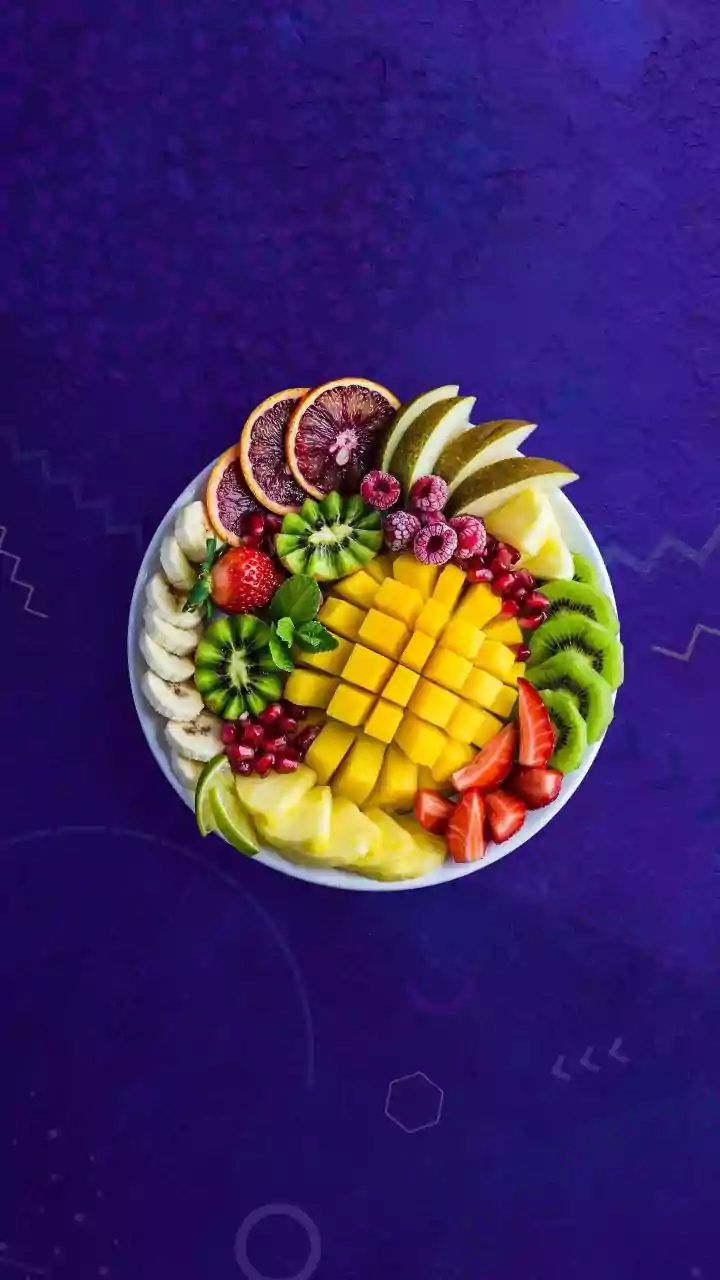
The move toward whole fruit doesn’t mean you must banish juice forever. A small, freshly pressed juice on occasion is unlikely to cause harm. However, for daily consumption, the choice is clear. Prioritise eating your fruits whole. An apple with its skin, a handful of berries, or a segmented orange will provide you with the vitamins, minerals, antioxidants, and—most importantly—the fibre that your body needs. If you enjoy smoothies, try blending whole or frozen fruit instead of juicing. Blending retains the fibre, making it a far superior option to traditional juice.