



A Jewel in the Eastern Himalayas
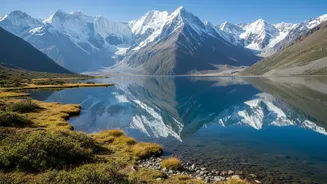
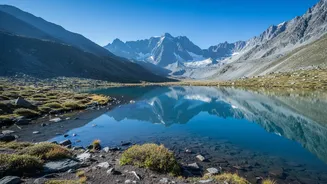
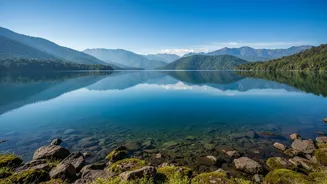
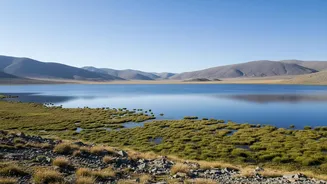
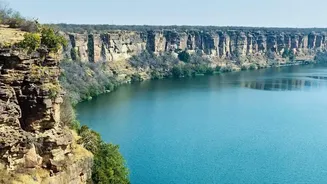
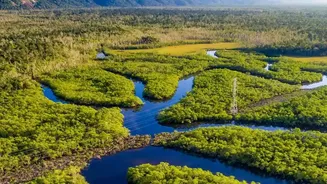
Glaw Lake, nestled within the Kamlang Tiger Reserve and Wildlife Sanctuary in Arunachal Pradesh, is a pristine freshwater body fed by glacial streams. Like many high-altitude wetlands, it is a world unto itself—a vibrant ecosystem thriving in a challenging
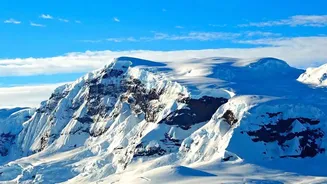
environment. These wetlands, found above 3,000 metres, are often called the 'water towers' of the world, serving as the source for many of our major rivers. They are crucial habitats for unique and often endangered species that have adapted to the cold, low-oxygen environment, including a host of migratory birds that use these sites as critical stopovers on their long journeys. The designation of Glaw Lake brings attention to a region that is both a biodiversity hotspot and incredibly vulnerable to climate change.
What is a Ramsar Site?
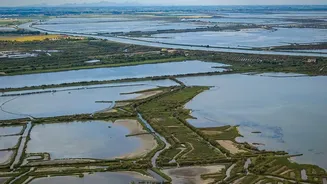
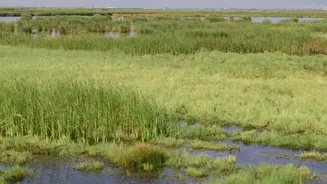
The term ‘Ramsar site’ comes from the Ramsar Convention, an international treaty signed in Ramsar, Iran, in 1971, dedicated to conserving wetlands. It’s the only global environmental treaty that deals with a single type of ecosystem. When a wetland is designated a Ramsar site, it is recognised as a 'Wetland of International Importance'. This isn't just a label; it’s a commitment. A country that designates a site agrees to manage it to maintain its 'ecological character'—a concept known as 'wise use'. The selection criteria are strict, focusing on a wetland's rarity, its role in supporting vulnerable species, or its importance for biodiversity. For a place like Glaw Lake, this designation is a formal acknowledgement of its global significance.
India’s Mission for Its Wetlands
Reaching 101 Ramsar sites is not an accident; it is the result of a concerted national push. In recent years, India has dramatically expanded its network of protected wetlands, reflecting a growing understanding of their immense value. This is supported by initiatives like the 'Amrit Dharohar' scheme, launched in 2023. This programme aims to conserve existing Ramsar sites by promoting eco-tourism and creating livelihood opportunities for local communities, turning them into partners in conservation. The scheme focuses on making conservation sustainable by linking ecological health with economic benefits for the people who live near these vital ecosystems.
The Evidence for High-Altitude Conservation
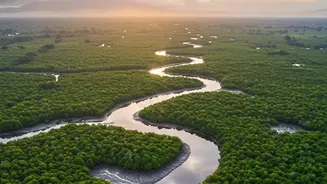
The science behind protecting high-altitude wetlands is clear and urgent. These ecosystems provide services that extend far beyond their immediate boundaries. They are critical for water security, acting as natural sponges that regulate river flows and recharge groundwater for downstream communities. They also play an outsized role in climate regulation. However, these Himalayan wetlands are under severe threat from rapid warming, changes in precipitation, unregulated tourism, and infrastructure development. Studies show that some Himalayan wetlands are disappearing at an alarming rate due to factors like climate-mediated siltation. Protecting them is not just about saving a scenic lake; it's about safeguarding water supplies for millions and preserving crucial biodiversity before it's lost.
What Changes on the Ground?
The Ramsar designation is more than just prestige; it triggers tangible action. It obligates the government to create and implement an integrated management plan to ensure the 'wise use' of the wetland. This often brings increased national and international attention, opening doors for funding for conservation projects and scientific research. For the communities around Glaw Lake, this could mean the development of responsible eco-tourism, training local youth as guides, and strengthening conservation through community participation. It provides a framework to protect the lake from threats, ensuring that its ecological and cultural benefits are preserved for future generations while supporting local livelihoods.