

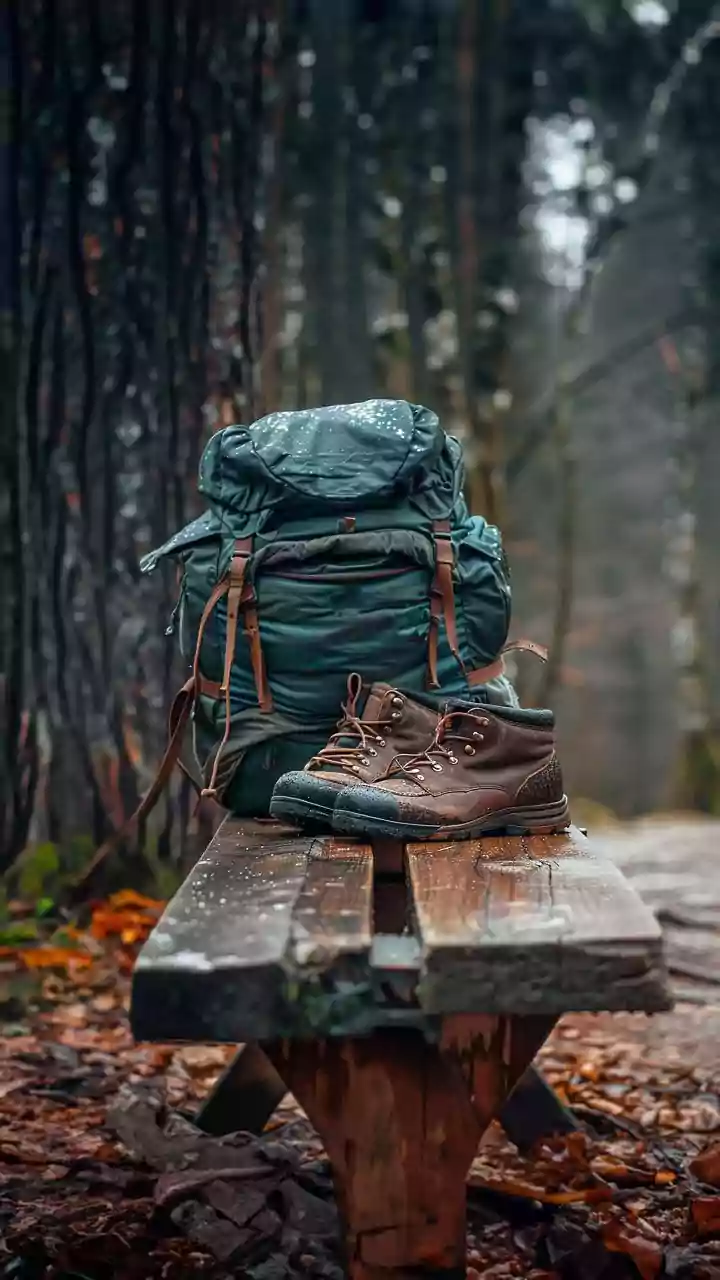







Choose the Right Footwear
Your first line of defence is what you wear. Leather and canvas shoes are a poor choice for the monsoon as they absorb water and take a long time to dry, creating a perfect breeding ground for fungi. Instead, opt for waterproof and quick-drying materials
like rubber or PVC. Open-toed footwear like floaters, sandals, and flip-flops are excellent choices as they allow water to drain out and air to circulate, helping your feet dry faster. If your workplace requires closed shoes, look for lightweight, waterproof options with good grip to prevent slipping on wet surfaces. Avoid wearing tight shoes, which can trap moisture and increase friction, leading to blisters.
The Post-Commute Hygiene Ritual
The moment you reach home or the office, your foot care routine should begin. Wading through puddles exposes your feet to water contaminated with dirt and germs. The first step is to remove wet shoes and socks immediately. Wash your feet thoroughly with soap and warm water, paying close attention to the spaces between your toes where moisture and fungi love to hide. After washing, drying is the most crucial step. Pat your feet completely dry with a clean towel. Keeping your feet dry is considered the single most effective way to prevent monsoon-related foot problems.
Preventing Odour and Infections
Dampness is the main cause of both foul odour and fungal infections like Athlete's Foot. A key preventive habit is to apply an antifungal or talcum powder to your feet, especially between the toes, after drying them. This helps absorb any lingering moisture and sweat. It's also vital to care for your footwear. Never wear the same pair of damp shoes two days in a row. Stuffing them with crumpled newspaper is an age-old trick to absorb internal moisture quickly. You can also place them near a fan to speed up the drying process, but avoid direct high heat, which can damage the shoe's material and glue.
Know the Warning Signs
Despite your best efforts, problems can still arise. Be vigilant and check your feet regularly for any signs of trouble. Common issues during the monsoon include Athlete's Foot, characterized by itching, burning, and scaly, peeling skin between the toes. Other red flags are persistent foul odour, redness, swelling around the nails, or the formation of painful blisters or boils. These are often signs of bacterial or fungal infections taking hold. Prolonged exposure to moisture can also weaken the skin's natural barrier, leading to a condition called maceration, where the skin becomes soft and waterlogged, making it easier for microorganisms to enter.
Simple Remedies and When to See a Doctor
For minor irritation or sweating, home remedies can be effective. Soaking your feet in warm water with a bit of salt or a mild antiseptic can help kill bacteria. A baking soda soak can also help deodorize and reduce bacterial growth. However, these are for prevention and minor issues. Do not self-treat persistent infections, especially with over-the-counter steroid creams that could worsen a fungal problem. If you notice an infection that is spreading, doesn't improve after a few days, or is particularly painful, it is crucial to consult a doctor or a dermatologist for proper diagnosis and treatment. This is especially important for individuals with diabetes, as foot wounds can be slower to heal and lead to serious complications.