




Beyond Likes: What Is Creator Commerce?
For years, the term 'influencer' was synonymous with sponsored posts and brand endorsements. Creator commerce represents the next, more powerful, evolution. It's a model where creators are no longer just advertisers for other brands; they are the storefront
themselves. This includes everything from launching their own product lines and merchandise to using affiliate links and hosting live shopping events where followers can buy products featured in real-time. [10] Instead of simply influencing purchasing decisions, creators are now directly facilitating them, transforming their follower base into a loyal customer community. [27] This shift marks a move from renting attention to owning the entire commercial relationship. [27]
The Scale of the Opportunity
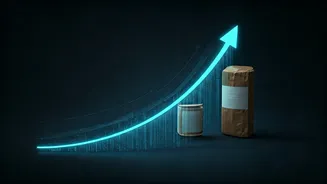
The numbers paint a clear picture of a sector hitting its stride. India's creator economy is already a multi-billion dollar industry, with some estimates valuing the influencer marketing segment alone at ₹3,375 crore in 2026. [13] But the real story is its influence on spending. According to a Boston Consulting Group (BCG) report, creators currently shape over $350 billion in annual consumer spending, a figure projected to skyrocket past $1 trillion by 2030. [18, 22] Meanwhile, the live commerce market, a key pillar of this trend, is expected to grow from $4.5 billion in 2026 to over $140 billion by 2033, registering a staggering compound annual growth rate (CAGR) of 41%. [20] This growth is fuelled by India's massive internet user base—now over 900 million—and a young, digitally-native population that trusts creators more than traditional ads. [3, 12]
From Influencer to Entrepreneur
This commercial shift is creating a new class of entrepreneurs. Creators who once relied on unpredictable brand deals are now building sustainable businesses. Take, for example, beauty influencer Sonia Garg, who launched her own online clothing boutique, or vlogger Yashi Tank, who co-created a fashion brand based on her followers' interest in coordinated couple outfits. [21] These creators leverage their deep audience connection to design and sell products they know will resonate. [23] This trend is becoming more formalised, with a 2026 report noting that over 15% of active creators are now registered as business entities or GST individuals, a new baseline for professional brand partnerships. [3, 6] This professionalisation signals a maturing market where influence is translating into tangible enterprise.
The Tech and Trends Fuelling the Boom
Several converging factors are making this moment possible. The widespread availability of cheap mobile data and smartphones has put a content creation studio and a marketplace in nearly every pocket. [12] Social media platforms like Instagram, YouTube, and regional players have integrated sophisticated commerce tools, such as in-app storefronts, product tagging, and live shopping features that shorten the journey from discovery to purchase. [10] Furthermore, the rise of vernacular content has been crucial, with brands reporting a significant increase in demand for regional-language creators who can tap into Tier 2 and Tier 3 cities, where engagement rates are often higher. [3] Brands like Mamaearth and Sugar Cosmetics have successfully leveraged regional creators to build massive revenue streams, proving the model's effectiveness beyond metro areas. [9]
What Comes Next?
While the opportunity is immense, challenges remain. A significant monetisation gap still exists, with some reports suggesting that only about 8-10% of Indian creators are able to effectively monetise their content. [14, 26] Many creators face inconsistent income and platform dependency. [2] However, the structural shift is undeniable. A report by Google and Deloitte projects that by 2030, about $25 billion of India's e-commerce sales will flow directly through creator-owned micro-stores and shoppable videos. [16] As creators become more integrated into business operations—not just as marketers but as distribution channels and co-creators—the line between the creator economy and the mainstream digital economy will continue to blur. [29] The future of Indian retail will not just be influenced by creators; it will be built by them.