







Choose Fabrics Wisely
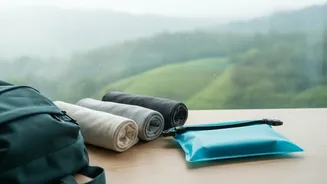
The golden rule of monsoon packing is to avoid cotton. It absorbs moisture, takes forever to dry, and becomes heavy and uncomfortable in humid weather. Instead, build your wardrobe around lightweight, quick-drying synthetic fabrics. Think polyester, nylon,
and rayon blends. These materials wick moisture away from your skin and will air-dry in a few hours in a hotel room, even without direct sun. For a more premium option, merino wool is a travel superstar; it's breathable, naturally odour-resistant, and regulates temperature, meaning you can wear it more and wash it less.
Embrace the Art of Layering
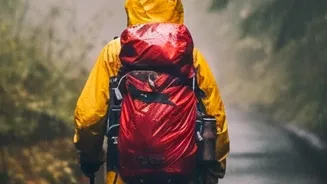
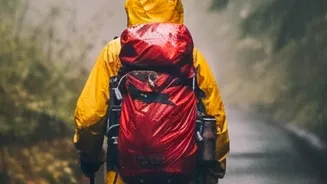
Instead of packing bulky sweaters or thick jackets, think in layers. A versatile, waterproof but breathable rain jacket is non-negotiable. It’s your primary shield against downpours and can be worn over a simple t-shirt or a lightweight fleece if temperatures drop in the evenings, especially in hill stations. A couple of quick-dry t-shirts, one or two long-sleeved tops, and a pair of comfortable trousers made from a synthetic blend can be mixed and matched to create multiple outfits for different scenarios, from a city stroll to a nature walk.
Strategise Your Footwear
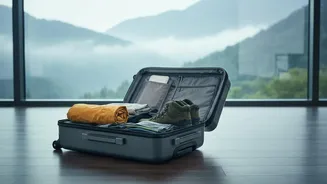
Footwear is often the heaviest and bulkiest item in a suitcase. For a seven-day monsoon trip, you only need two pairs. Wear your heaviest pair, like sturdy, waterproof sneakers with good grip, on the plane. This saves significant weight and space in your bag. The second pair should be lightweight and waterproof, such as rubber sandals, floaters, or EVA-based slip-ons. These are perfect for navigating water-logged streets, casual wear, and use within your hotel room. Avoid leather and suede at all costs, as the monsoon humidity can ruin them.
Master Miniaturisation and Solids
Liquids are heavy and subject to restrictions. Most Indian domestic airlines limit liquids in carry-on to containers of 100ml or less. Decant your essential liquids like shampoo, conditioner, and moisturiser into small, reusable travel-sized bottles. Better yet, switch to solid toiletries. Shampoo bars, conditioner bars, solid perfumes, and toothpaste tablets can save an incredible amount of weight and eliminate the risk of spills. These are game-changers for hitting that 7kg target.
Waterproof Your World
Keeping your belongings dry goes beyond just a rain jacket. Invest in a few small dry bags or even reliable zip-lock bags. Use them to compartmentalise and protect your electronics, documents, and a spare change of clothes. Nothing ruins a trip faster than a water-damaged phone or passport. A packable, waterproof cover for your carry-on bag itself is another brilliant, lightweight addition. This provides an extra layer of defence during airport transfers or when your bag is exposed to rain on the tarmac.
Digitise Your Documents and Entertainment
Physical books are heavy and susceptible to water damage. Load your reading material onto a Kindle, tablet, or your smartphone. The same goes for travel documents. While you should always carry your physical ID and passport, save digital copies of your flight tickets, hotel bookings, and itineraries to your phone or a cloud service. This reduces paper clutter and weight, ensuring you have backups that are impervious to rain.
Wear Your Weight
This is a classic travel hack for a reason. On travel days, make sure you are wearing your heaviest and bulkiest items. This includes your waterproof jacket, your sneakers, and any trousers you're packing instead of lightweight pants. Airlines weigh your carry-on bag, not you. By wearing these items, you can easily free up a kilogram or more of weight from your bag, which can be the difference between strolling onto the plane and being forced to pay for checked luggage.