






The Journey at a Slower Pace
Forget rushing between tourist hotspots. The real Konkan reveals itself not from a car window, but from the vantage point of a winding footpath or a gently rocking boat. Exploring on foot means tracing ancient trails that connect one village to the next,
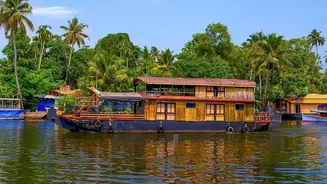
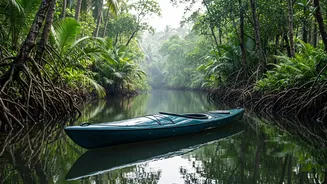
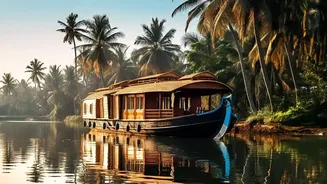
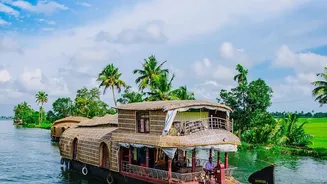
passing through cashew groves and dense plantations of coconut and areca nut. Waterways offer another perspective. Kayaking through quiet backwaters or taking a local ferry across a creek allows you to witness the rhythms of life tied to the tides. This deliberate, slower pace is the key to unlocking the region's secrets. It encourages interaction, inviting conversations with fishermen mending their nets or a family sorting spices on their porch. This is travel that shifts from sightseeing to immersion, where the journey itself is the destination.
Architecture Carved from the Land
The homes in Konkan villages are a direct response to the landscape and climate. The most striking feature is the widespread use of 'chira', or laterite stone, for walls. This porous, reddish-brown rock is quarried locally and has the unique property of hardening when exposed to air, making it an ideal, sustainable building material. These thick laterite walls provide natural insulation, keeping interiors cool in the humid climate. To combat the heavy monsoon rains, houses feature steeply sloped roofs covered in terracotta Mangalore tiles, often with wide overhangs. Many traditional homes, or 'wadas', are built around a central courtyard called an 'angan', a multi-functional space that provides light and ventilation while serving as the heart of family life. This architecture is not just functional; it's a living tradition that speaks to a deep understanding of the local environment.
A Taste of the Coast
Konkan's cuisine is a vibrant celebration of its coastal bounty. Fresh seafood is central, with dishes like fiery Malvani fish curry, crispy fried Bombay duck ('Bombil'), and tangy curries made with mackerel ('bangda') or shark ('mori'). But the true soul of the food lies in a trio of key ingredients: coconut, kokum, and rice. Coconut is used in countless forms—grated, milk, and paste—forming the base of most gravies. The souring agent is often kokum, a deep-purple fruit that imparts a unique tangy flavour and rosy hue to dishes and drinks, most famously the refreshing 'solkadhi'. Rice is the staple, enjoyed as steamed grains, in versatile crepes like 'ghavan', or as gluten-free 'bhakri' (flatbread) perfect for soaking up rich curries. Vegetarian food is equally impressive, with dishes like 'khatkhate', a festive vegetable stew, and sweets like 'ukadiche modak', steamed dumplings filled with coconut and jaggery.
The Heart of Eco-Tourism
The term 'eco-village' here means more than just environmental awareness; it signifies a commitment to preserving a way of life. Much of this experience is anchored in community-based tourism, particularly through farmstays and homestays. Staying with a local family offers a window into their world, where hospitality is genuine and meals are cooked with ingredients often grown just steps from the kitchen. These stays are not about providing urban amenities but about sharing an authentic lifestyle. This model empowers local communities, provides sustainable livelihoods, and ensures that tourism revenue directly supports the people who are the custodians of the region's culture. It transforms travellers from passive observers into active participants in a living heritage.