







Why Monsoon Means More Acne
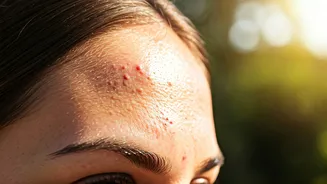
The core problem during the rainy season is humidity. High humidity levels signal your sebaceous glands to produce more oil (sebum). This excess oil, combined with sweat and environmental pollutants, creates an ideal breeding ground for bacteria and clogged
pores, leading to pimples, blackheads, and whiteheads. The constant dampness can also make the skin more susceptible to fungal and bacterial infections, which can look like acne. Many people find their skin feels greasy and dull, and existing acne can seem to get worse almost overnight. Understanding this root cause is the first step in creating a simple, effective defence.
Go Light with Cleansing and Hydration
The most common mistake is either not cleansing enough or over-cleansing with harsh products that strip the skin. Both can worsen breakouts. The expert consensus online points to a balanced approach. Cleanse your face twice a day with a gentle, foaming, or gel-based cleanser to remove the daily build-up of grime and oil without disrupting your skin's natural barrier. For those with very oily skin, a cleanser with a small amount of salicylic acid can help keep pores clear. It's tempting to skip moisturiser when your skin feels sticky, but this is a mistake. Dehydrated skin can produce even more oil to compensate. The solution is to switch to a lightweight, non-comedogenic (won't clog pores) moisturiser. Look for gel or water-based formulas containing ingredients like hyaluronic acid, which provides hydration without feeling heavy or greasy.
Unclog Pores with Gentle Exfoliation
With the increased buildup of dead skin cells and oil during the monsoon, exfoliation becomes crucial. However, aggressive scrubbing can cause irritation and inflammation. The smarter approach, widely recommended by dermatologists, is gentle chemical exfoliation. Ingredients like salicylic acid (a BHA) are particularly effective because they exfoliate inside the pores to dissolve oil and debris. Alpha-hydroxy acids (AHAs) like glycolic or lactic acid also work well to remove dead cells from the skin's surface. Using a product with these ingredients just a couple of times a week is enough to keep your skin smooth and prevent pores from becoming clogged, without the damage of a harsh physical scrub.
The Three Ingredients to Look For
To simplify your routine, focus on products that contain a few key ingredients known for tackling monsoon skin issues. Salicylic Acid is an oil-soluble BHA that gets deep into pores to clear them out, making it a top choice for preventing breakouts. Niacinamide is another hero ingredient; it helps regulate oil production, reduces redness and inflammation, and strengthens the skin barrier. Finally, Tea Tree Oil is a popular natural option known for its antibacterial properties that can help fight acne-causing bacteria on the skin's surface. Incorporating a serum or spot treatment with one of these ingredients can make a significant difference.
Simple Habits That Make a Big Difference
Your daily habits play a huge role. Don't skip sunscreen, even on cloudy days, as UV rays still penetrate and can worsen acne marks. Opt for a lightweight, gel-based, or oil-free formula. Avoid heavy makeup that can trap sweat and oil; if you do wear it, make sure to double cleanse at night to remove everything thoroughly. Simple hygiene practices are also key: try to avoid touching your face, change your pillowcases regularly, and always pat your skin dry with a clean towel if you get caught in the rain.