





The Old Way vs. The New
For decades, planning an international trip from India involved a ritual. It meant compiling a thick file of documents, making multiple visits to an embassy or consulate, paying hefty fees, and then enduring a long, anxious wait for a passport stamp that
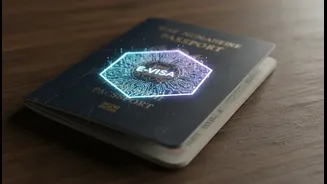
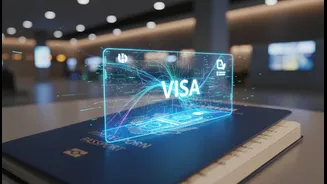
might not even materialize. This cumbersome process often restricted travel to countries with lenient visa policies or forced travellers into rigid, pre-packaged tours. The eVisa has turned this model on its head. Instead of physical visits and paper files, the process is now almost entirely online. From the comfort of your home, you can fill out a form, upload digital copies of your passport and photo, and pay a fee. Approval, in many cases, arrives via email within a few hours to a few days. This shift from a paper-based to a digital system is not just about convenience; it's a fundamental change that empowers travellers with speed and certainty.
How Do eVisas Actually Work?
An electronic visa, or eVisa, is a digital travel permit issued by a country's immigration authorities. Unlike visa-on-arrival, an eVisa must be applied for and approved before you travel. The process is remarkably straightforward. First, you visit the country's official government visa portal. You fill in an online application form with your personal, passport, and travel details. Next, you upload the required documents, which typically include a scanned copy of your passport's bio page and a recent digital photograph. After paying the visa fee through a secure online gateway, you submit the application. Once processed and approved, an Electronic Travel Authorization (ETA) is sent to your email. You simply print this document and present it to immigration officials upon arrival, where your visa may be physically stamped into your passport.
A World of New Destinations
The list of countries offering eVisas to Indian passport holders is growing rapidly, with over 50 nations now part of the club. This has opened up a plethora of new and exciting destinations. Southeast Asian countries have become particularly popular, with Vietnam, Malaysia, Singapore, and Cambodia offering streamlined online visa processes. Vietnam's 90-day eVisa, for instance, has been cited as a major driver of tourism growth from India. Other popular choices include Turkey, the UAE (Dubai), Kenya, Sri Lanka, and Azerbaijan. This accessibility has a direct impact on travel choices, encouraging more Indians to explore beyond traditional hubs and consider emerging destinations for spontaneous short trips and holidays.
The Ripple Effect on Indian Travel
The rise of the eVisa is doing more than just simplifying logistics; it's fundamentally redefining Indian travel habits. The ability to get a visa within days has fueled a boom in last-minute travel. A long weekend can now realistically be spent exploring the souks of Dubai or the beaches of Sri Lanka, something that was nearly impossible under the old system. This has also led to a surge in independent travel, as Indians are now more confident planning their own itineraries without relying on travel agents to navigate complex visa rules. According to a report by visa platform Atlys, eVisas accounted for 82% of all visa applications in India in 2025, a clear indicator of their dominance. This digital shift is pushing airlines to open new direct routes and encouraging more countries to simplify their entry procedures to attract the burgeoning Indian outbound tourism market.
A Few Words of Caution
While the eVisa system is overwhelmingly positive, its convenience has also attracted scammers. The most common issue is the proliferation of fake websites that mimic official government portals. These sites trick applicants into paying inflated fees or, worse, steal their personal and financial data. To stay safe, it is crucial to apply only through the official government website, which will typically have a domain ending like '.gov.in' for India or the equivalent for other nations. Indian missions abroad frequently issue warnings about these fraudulent sites. Always double-check the URL and be wary of third-party agents promising guaranteed or expedited approvals for an extra fee. Remember, if a deal sounds too good to be true, it probably is.