


The Science of a Satisfied Sigh
That feeling of deep satisfaction after a festive meal isn’t just about a full stomach; it’s a complex interplay of brain chemistry and memory. When we eat certain foods, particularly those high in carbohydrates, our brains can increase the production
of serotonin, a neurotransmitter associated with feelings of well-being and happiness. This is often why we crave starchy or sugary foods when feeling low. Furthermore, the brain’s reward system releases dopamine, the “pleasure chemical,” when we eat something we enjoy, reinforcing the desire to repeat the experience. This biological response is layered with powerful psychological associations. Foods we ate during happy times in our childhood or in the company of loved ones become encoded with emotion. The smell and taste of a specific dish can act as a key, unlocking feelings of safety, connection, and nostalgia, effectively making the food a stand-in for the positive emotions of the past.
A Taste of Tradition and Togetherness
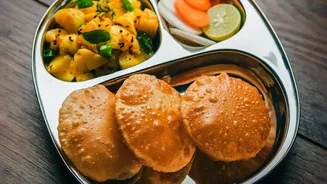
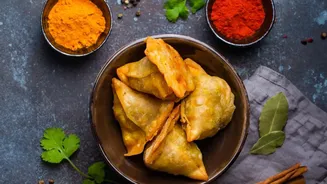
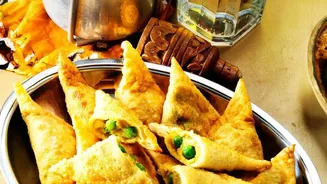
In India, this phenomenon is deeply woven into the fabric of our festivals. Food is rarely just sustenance; it’s a central character in the story of every celebration. What began as naivedya—a sacred offering to the gods—slowly transitioned into the heart of domestic warmth, with every festival boasting its own culinary signature. Think of the modaks synonymous with Ganesh Chaturthi, the gujjiyas that signal Holi’s arrival, or the rich, fragrant biryani shared during Eid. These dishes are more than just recipes; they are carriers of tradition, passed down through generations. The very act of their preparation—families gathering to roll laddoos or stuff samosas—is a ritual of togetherness that amplifies their comforting power. This collective effort transforms a simple meal into an act of love and community, making every bite taste like belonging.
From Seasonal Wisdom to Gut-Brain Comfort
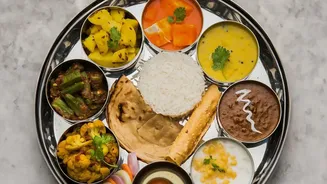
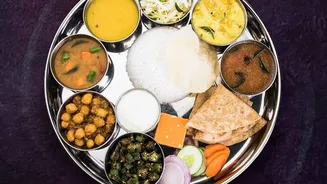
Much of India's traditional festive food is also rooted in seasonal and Ayurvedic wisdom. Winter festivals like Lohri and Makar Sankranti feature foods made with sesame and jaggery, which are believed to provide warmth and energy. Spring celebrations might include cooling ingredients to prepare the body for rising temperatures. This ancient knowledge aligns with modern discoveries about the gut-brain axis—the constant communication between our digestive system and our brain. A healthy gut microbiome can positively influence mood and emotional regulation. Many traditional Indian meals are rich in fiber, spices like turmeric, and fermented foods like yogurt, which support gut health. The comfort from a bowl of dal and rice or a soothing plate of kadhi chawal may not just be nostalgic, but also a result of a happy gut sending positive signals to the brain.
The Modern Festive Plate: A New Balance
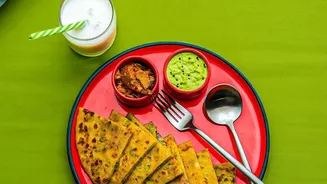
Today, a growing awareness of health and wellness is bringing fresh attention to these festive food traditions. While the emotional pull of classic recipes remains strong, many are finding new ways to balance comfort with conscious eating. This doesn't mean abandoning tradition, but rather adapting it. You might see jaggery or dates replacing refined sugar in sweets, or the resurgence of nutrient-dense ancient grains like millets in festive preparations. Research shows that while traditional sweets still dominate festive consumption, there's a rising interest in modern twists, such as chocolate and bakery items, and healthier upgrades. This new approach suggests a desire to hold onto the soul-soothing essence of festive meals while making them align with contemporary lifestyles. The comfort, after all, comes not just from the ingredients themselves, but from the act of sharing, the connection to heritage, and the celebration of togetherness.