






The New Dabba Culture
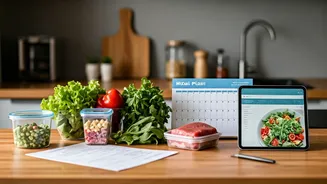
Meal prep isn’t a new concept for India; it’s an evolution. For generations, we've mastered the art of the 'dabba', packing wholesome lunches with care. Today's meal prep trend takes that same principle and applies it to the entire week. It's the strategic
answer to the chaos of modern urban life, where dual-income households, long commutes, and packed schedules leave little time or energy for daily cooking. Instead of starting from scratch every evening, families dedicate a few hours over the weekend to chop, marinate, and sometimes fully cook meals for the days ahead. This isn't about eating bland, repetitive food; it's about reclaiming control over the dinner table.
The Time-Saving Paradox
The biggest hesitation for many is the upfront time commitment. 'Spend my Sunday in the kitchen?' It seems counterintuitive. But proponents call it the 'time-saving paradox'. By investing two to three hours on a weekend, you save countless hours of stress and labour during the workweek. Think about it: no more daily chopping of onions and tomatoes, no last-minute trips to the store for a missing ingredient, and no staring into the fridge wondering what you can possibly make in 20 minutes. The mental load of deciding 'what to cook' three times a day is significantly reduced. That weekend effort pays dividends every single weekday, freeing up evenings for family time, hobbies, or simply relaxing.
Healthier Homes, Healthier Wallets
The benefits extend far beyond convenience. When you’re tired and hungry, it’s easy to order in. While delicious, frequent takeaways can be heavy on oil, salt, and your wallet. Meal prepping puts you back in the driver's seat of your family’s nutrition. You control every ingredient, from the quality of the oil to the amount of salt and sugar. This can have a profound impact on health, especially for managing dietary needs or simply aiming for a more balanced diet. Financially, the savings are twofold. Firstly, you drastically cut down on expensive restaurant orders. Secondly, by planning your meals, you buy only the groceries you need, reducing food waste and impulse purchases at the supermarket. That wilting methi or forgotten paneer in the back of the fridge becomes a thing of the past.
Making It Indian
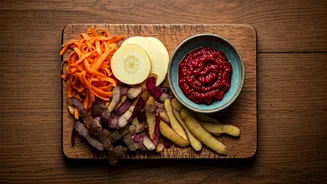
One myth is that meal prep is only for salads and grilled chicken. This couldn't be further from the truth. The system is perfectly adaptable to the vibrant and complex flavours of Indian cuisine. The trick is to prep components, not just entire dishes. You can make a large batch of onion-tomato masala or a generic makhani gravy and store it. During the week, you can use it as a base for chana masala, paneer butter masala, or even a quick egg curry. Boiling dal and rajma in advance, chopping a mix of vegetables for stir-fries (sabzi), kneading chapati dough, and preparing chutneys are all popular strategies. This 'component prep' approach keeps meals fresh and varied while still saving enormous amounts of time.
Getting Started Without the Stress
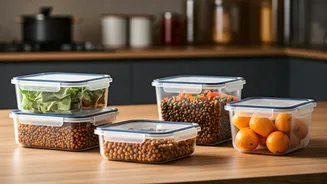
The idea of prepping a week's worth of food can feel overwhelming, but you don't have to go all-in at once. The key is to start small. Begin by prepping for just two or three weeknight dinners. Choose simple, familiar recipes. A good strategy is to 'cook once, eat twice'—make a double batch of your Sunday rajma to have again on Tuesday. Focus on prepping your most time-consuming ingredients, like making a ginger-garlic paste or chopping hardy vegetables like carrots and beans. As you get more comfortable, you can expand your repertoire. Remember, the goal isn't Instagram-perfect rows of identical containers; it's about creating a system that works for your family and makes your life a little bit easier.