




What Are Hydrogen-Powered Trains?
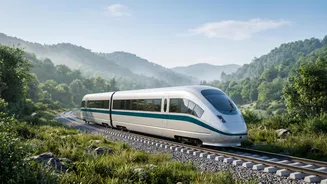
Imagine a train that runs on fuel that produces only water as its byproduct. That's the core promise of hydrogen fuel cell technology. These trains, also known as 'hydrail', use hydrogen stored in onboard tanks, which is then combined with oxygen from
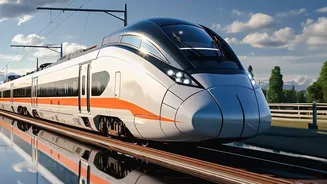
the air inside a fuel cell. This electrochemical reaction generates electricity to power the train's motors. Unlike diesel engines that burn fossil fuels and release carbon emissions, hydrogen trains offer a clean, silent, and efficient alternative. Any excess energy generated can be stored in batteries to provide extra power when needed, such as during acceleration, creating an efficient hybrid system. This positions India among a select group of nations like Germany and China that are actively exploring hydrogen for rail transport.
The 'Hydrogen for Heritage' Mission
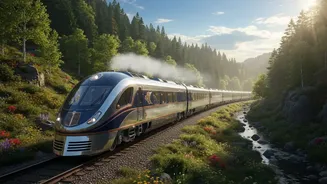
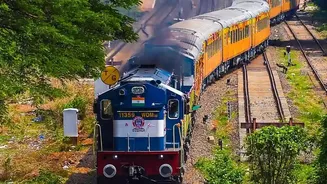
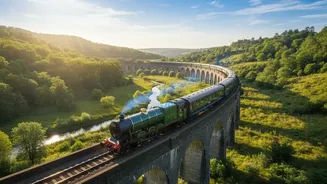
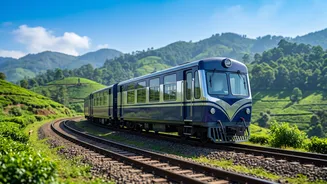
The project's first focus is on some of the nation's most cherished railway lines: its historic, narrow-gauge heritage routes. The plan involves retro-fitting existing diesel-powered locomotives with new hydrogen propulsion systems, while preserving their vintage look. In fact, the new locomotives are being designed to resemble classic steam engines, even producing 'green' steam from the electric system for a touch of nostalgia without the pollution. Eight routes have been identified for this transformation, including the UNESCO World Heritage sites of the Kalka-Shimla Railway, the Darjeeling Himalayan Railway, and the Nilgiri Mountain Railway, alongside others like the Matheran Hill Railway and Kangra Valley Railway. This initiative isn't just about technology; it's about safeguarding the pristine environments these beautiful train lines traverse.
Current Status: From Pilot to Progress
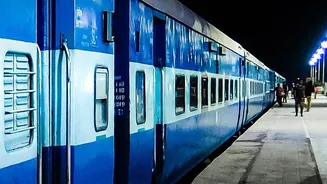
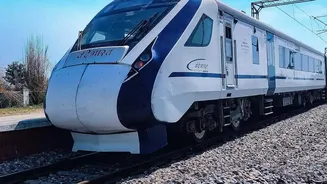
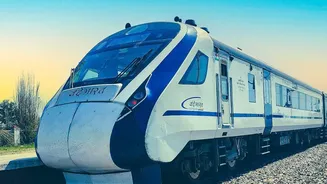
India's journey into hydrogen rail is already in motion. The first indigenously developed hydrogen-powered train was launched on July 17, 2026, and is currently operational on the 89-km Jind-Sonipat section in Haryana. This pilot project serves as a real-world test for the technology's performance, safety, and operational viability under regular conditions. To support this, Indian Railways has established an entire hydrogen ecosystem at Jind, including production, storage, and refuelling infrastructure. However, this initial run has faced challenges, most notably extremely low passenger numbers, with only 40 to 60 riders on a train with a capacity of 2,600. This has prompted officials to explore extending the service to Delhi to attract more commuters, though this presents its own hurdles related to coach capacity and refuelling logistics.
Challenges on the Horizon
While the Jind-Sonipat pilot provides valuable data, applying this technology to the challenging terrain of heritage routes comes with its own set of difficulties. The plan for the Kalka-Shimla line, for example, has seen delays. Initial proposals for hydrogen fuel stations at Kalka, Barog, and Shimla are still under review, and a detailed project report is being developed to finalise technical specifications. Early tests on prototypes highlighted the need for modifications, as trains struggled at full capacity in extreme weather conditions. Furthermore, the unique geography of routes like Kalka-Shimla, with over 100 tunnels, makes conventional electrification nearly impossible, reinforcing the case for alternatives like hydrogen but also underscoring the engineering complexities involved.
The Bigger Picture for Indian Railways
The 'Hydrogen for Heritage' project is a highly visible part of a much larger vision. It aligns with Indian Railways' goal to become a 'Green Railway' with net-zero carbon emissions by 2030. The experience gained from the current pilot project is intended to be a stepping stone for wider deployment. While the initial focus is on heritage lines where diesel is the only option, the long-term potential for hydrogen technology is vast, especially on routes where electrification is not economically feasible. By championing indigenous technology, the project also supports the 'Atmanirbhar Bharat' vision, demonstrating India's capability in developing next-generation sustainable transport solutions. As the technology matures and costs decrease, these silent, clean trains could become a more common sight across the vast Indian rail network.