


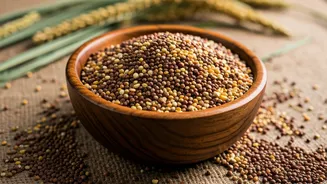


Meet the Ancient Grain Trending Now
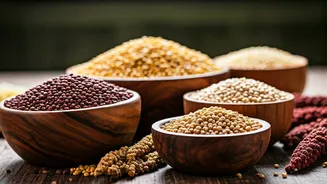
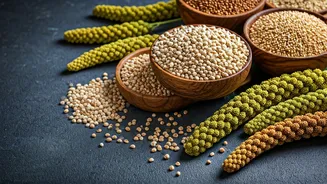
Sorghum, known locally in India as jowar, is far from new. It's an ancient cereal grain that has been a staple in parts of Africa and Asia for thousands of years. But recently, it has captured the attention of health-conscious foodies and those looking
to diversify their diets. So why the sudden buzz? This versatile, gluten-free grain packs a serious nutritional punch and has a mild, slightly nutty flavour that makes it an easy and delicious swap for other grains like rice, quinoa, or oatmeal. As more people seek out traditional ingredients with modern health benefits, jowar is stepping out of the shadow of wheat and rice and into the breakfast spotlight.
A Nutritional Powerhouse
The health benefits of sorghum are impressive. It's a rich source of plant-based protein, with a single serving providing about 10 grams, which is more than quinoa. It’s also loaded with dietary fibre, which aids digestion, helps you feel full longer, and can assist in weight management. The grain is packed with essential minerals like iron, magnesium, phosphorus, potassium, and zinc. Half a cup of sorghum can provide a significant portion of your daily iron needs. Furthermore, it is rich in B vitamins, which are crucial for converting food into energy, helping to keep your energy levels stable throughout the day.
Why It's a Breakfast Champion
Sorghum’s unique properties make it especially well-suited for the first meal of the day. Its carbohydrates are complex and digest slowly, which helps in managing blood sugar levels and preventing the sudden energy spikes and crashes associated with more refined breakfast options. This makes it an excellent choice for individuals with diabetes or anyone looking for sustained energy. Being naturally gluten-free, it's a safe and wholesome option for those with celiac disease or gluten sensitivity. The high fibre and protein content also contribute to a feeling of satiety, curbing mid-morning snack cravings.
Simple Ways to Enjoy Jowar for Breakfast
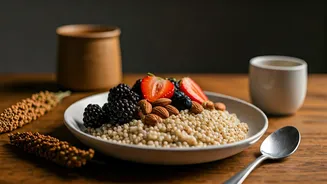
Incorporating sorghum into your breakfast routine is surprisingly easy. One of the simplest methods is to make a warm porridge. You can cook whole grain sorghum like you would oats, simmering it with milk or water and adding your favourite toppings like fruit, nuts, and a drizzle of honey. For a quicker option, jowar flour can be used to make delicious, fluffy pancakes or savoury dosas. You can also add cooked sorghum grains to your morning smoothie for an extra boost of fibre and protein, or even pop the grains like popcorn for a crunchy, nutritious topping for yoghurt bowls.
Getting Started with Sorghum
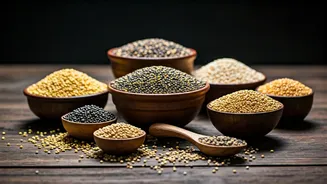
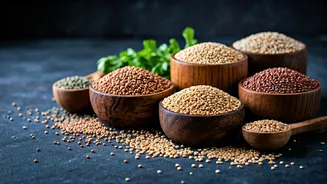
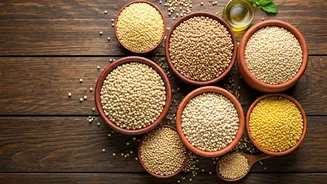
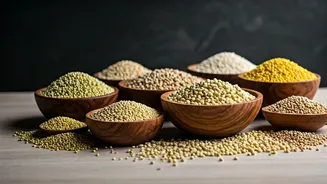
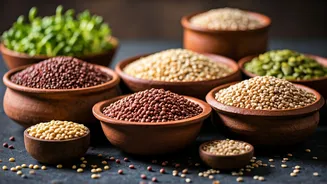
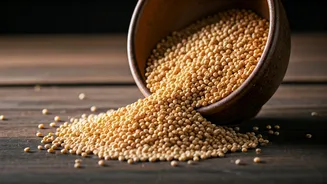
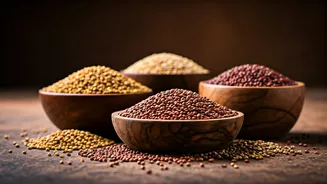
When buying sorghum, you'll typically find it in two forms: whole grain and flour. Whole grain sorghum has a delightfully chewy texture, similar to wheat berries, and is perfect for porridges and grain bowls. Jowar flour is finer and can be used in baking, but it often works best when blended with other gluten-free flours to achieve the right texture. When making porridge with the flour, a key tip is to first make a paste (or slurry) with cold water before adding it to boiling water; this prevents lumps from forming. Cooked whole grains can be stored in the refrigerator for several days, making meal prep for the week a breeze.