





The Sweet Start of the Season
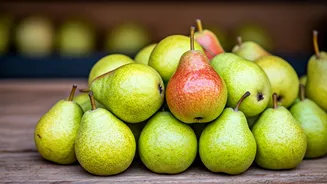
The most significant reason for the pear's newfound fame is simple: the fresh Indian harvest has arrived. While imported pears are available for much of the year, early July marks the beginning of the domestic season, with crisp and juicy varieties making
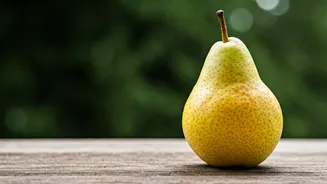
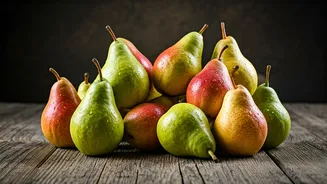
their way down from the hills of Himachal Pradesh, Uttarakhand, and Punjab. This is when the Indian pear, or 'Nashpati', is at its absolute best. Farmers in these regions cultivate several varieties, some of which are ready for harvest right at the cusp of the monsoon, making them one of the first delicious temperate fruits of the season. Consumers who prioritise fresh, local produce eagerly await this time of year to enjoy pears that haven’t spent weeks in transit or cold storage.
A Perfect Monsoon Health Boost
As the rains arrive, so does the need to boost our immunity against seasonal sniffles. Pears are perfectly suited for this. They are packed with Vitamin C, a well-known immune system supporter. Furthermore, pears are an excellent source of dietary fibre, which is crucial for good digestive health. In a season known for digestive sluggishness, a fibre-rich fruit can be a welcome addition to your diet. Pears also have a high water content—around 85%—making them incredibly hydrating, which is a surprising but essential benefit during the humid monsoon months. Their low glycemic index also means they provide a sweet treat without causing sharp spikes in blood sugar, making them a smart choice for everyone.
More Than Just a Fruit Bowl Filler
While biting into a crisp, juicy pear is a pleasure in itself, creative home cooks are finding new ways to incorporate them into daily meals. The firm texture of Indian pear varieties holds up beautifully to cooking, both in sweet and savoury dishes. Think beyond the fruit salad: pears can be grilled and added to green salads for a smoky-sweet crunch, or even cooked into a savoury 'sabzi'. Recipes for 'Pear Masala' and 'Pear Bhaji' are gaining traction, where the fruit is gently spiced and cooked with onions and tomatoes to create a surprising side dish that pairs wonderfully with rotis. For those with a sweet tooth, a simple pear 'halwa' or pears poached in spiced syrup offer a sophisticated yet easy dessert.
How to Choose and Store Your Pears
Ready to join the pear rush? Here’s how to pick the best of the bunch. Unlike many fruits, pears ripen from the inside out. To check for ripeness, gently press the neck of the pear near the stem. If it gives slightly, it’s ready to eat. If it’s firm, you can leave it at room temperature for a few days to ripen. For most Indian cooking, slightly firm pears are ideal as they hold their shape. The 'Patharnakh' variety, for instance, is famously crisp and great for transport and cooking. Once your pears have reached the desired ripeness, you can move them to the refrigerator to slow the process and make them last for another week, ensuring you have a perfect, healthy snack on hand whenever you need it.