





A New Era for Overnight Travel
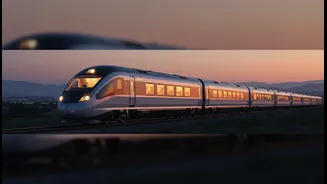
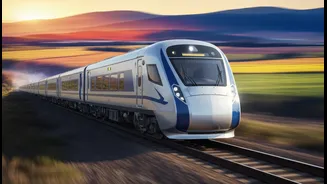
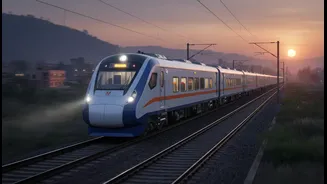
For years, the choice for intercity travel has been a trade-off: the affordability of a traditional sleeper train versus the speed of a flight. The Vande Bharat Sleeper aims to shatter this binary. Unlike its chair-car siblings designed for daytime trips,
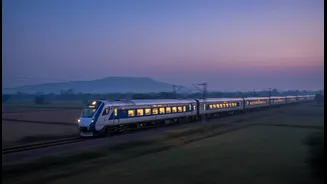
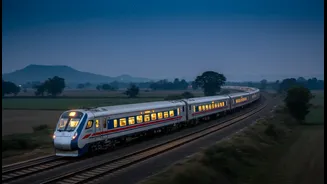
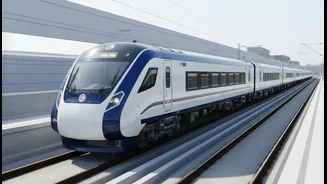
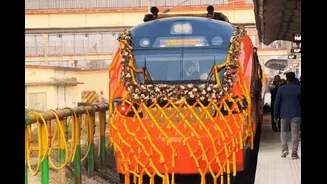
this version is built specifically for long-haul, overnight routes. The first service was launched in January 2026 between Howrah and Kamakhya, and the network is now expanding. The second sleeper train is set to be flagged off on July 17, 2026, connecting Varanasi with Chheharta (Amritsar). These trains are self-propelled, meaning they don't need a separate locomotive, which allows for quicker acceleration and deceleration, trimming precious hours off journey times. With a composition of 16 coaches—including First, Second, and Third AC tiers—the train can accommodate 823 passengers.
Redefining Onboard Comfort
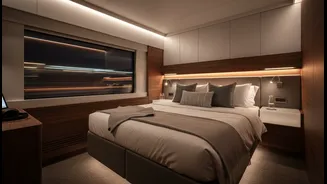
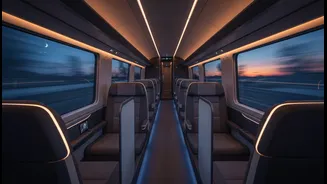
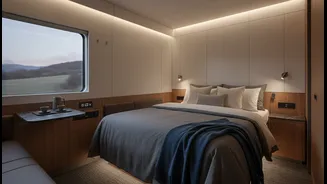
The real revolution lies in the passenger experience. Indian Railways has focused on creating a 'hotel-on-wheels' feel. Berths are ergonomically designed to be wider and better cushioned for superior support, a noticeable upgrade from existing services. Cabins feature improved ambient lighting, individual reading lights, and multiple charging ports (including USB Type-C). Significant engineering has gone into soundproofing and advanced suspension systems to minimize noise and vibrations, ensuring a smoother, more stable ride even at high speeds. Hygiene has also been prioritized, with bio-vacuum toilets equipped with odour-control systems and touchless taps. For those in First AC, there are even onboard hot shower facilities, a first for public rail travel in India.
The Time-Saving Advantage
One of the most significant impacts of the Vande Bharat Sleeper is its speed. The trainsets are designed to operate at 160 km/h, with a potential top speed of 180 km/h. This capability, combined with faster turnaround times at terminal stations, directly translates to shorter journeys. For example, the inaugural route cut travel time between Kamakhya and Howrah by up to six hours. For a business traveler or a family, this means a more predictable schedule. An evening departure can reliably result in an early morning arrival, allowing for a full day of activities without the fatigue associated with older, slower trains. This efficiency makes overnight train travel a far more compelling and dependable option.
The Rise of the Spontaneous City-Break
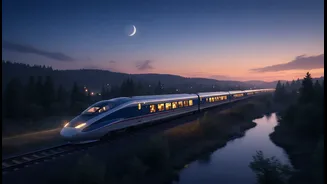
The combination of speed and comfort makes weekend getaways more accessible than ever. The hassle of airport check-ins, security lines, and long commutes to city centers often eats into precious vacation time. The Vande Bharat Sleeper presents an attractive alternative. Imagine boarding a train in Varanasi at 7 PM and arriving in Lucknow just after midnight, or reaching Amritsar the next afternoon refreshed and ready to explore. By making the journey itself more restful and efficient, these trains encourage spontaneous city-break planning. Connecting major commercial, cultural, and pilgrimage hubs like Varanasi, Lucknow, and Amritsar on a single, high-quality service opens up new possibilities for tourism and short-term travel, reshaping how people think about regional connectivity.
A Genuine Competitor to Air Travel?
While budget airlines have dominated intercity travel for the speed-conscious, the Vande Bharat Sleeper is positioned as a strong contender. When factoring in door-to-door travel time, the train often proves more efficient. A one-hour flight can easily become a four-hour ordeal with travel to and from airports and waiting times. The train, departing from and arriving at centrally located stations, offers a more seamless experience. Furthermore, with amenities rivaling global standards and superior ride quality, the journey is less of a chore and more of a part of the travel experience. Though fares are expected to be slightly higher than Rajdhani trains, the enhanced comfort, safety features like the KAVACH anti-collision system, and significant time savings create a powerful value proposition that could persuade many to choose the rails over the skies for journeys between 800 and 1200 km.