






The Diaspora's Craving for Home
The initial catalyst for this global expansion is the powerful force of nostalgia. Millions of Indians living abroad form a ready-made market, craving the familiar tastes they grew up with. This built-in customer base provides a crucial beachhead for brands
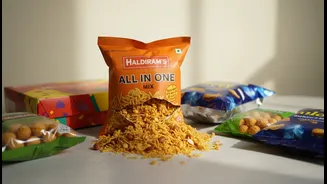
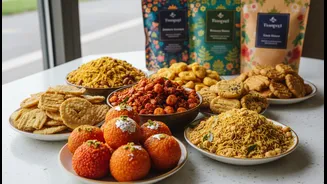
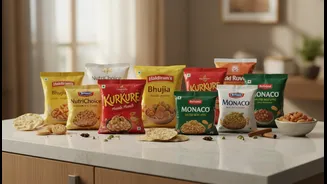
like Haldiram's, Bikaji, and MTR Foods in markets across the United States, UK, Middle East, and Australia. These consumers act as both the primary customers and organic brand ambassadors, introducing their local friends and colleagues to the world of Indian snacks. The demand isn't just for a generic product; it's for the authentic 'aslee' taste of home, a need that these heritage brands are perfectly positioned to meet.
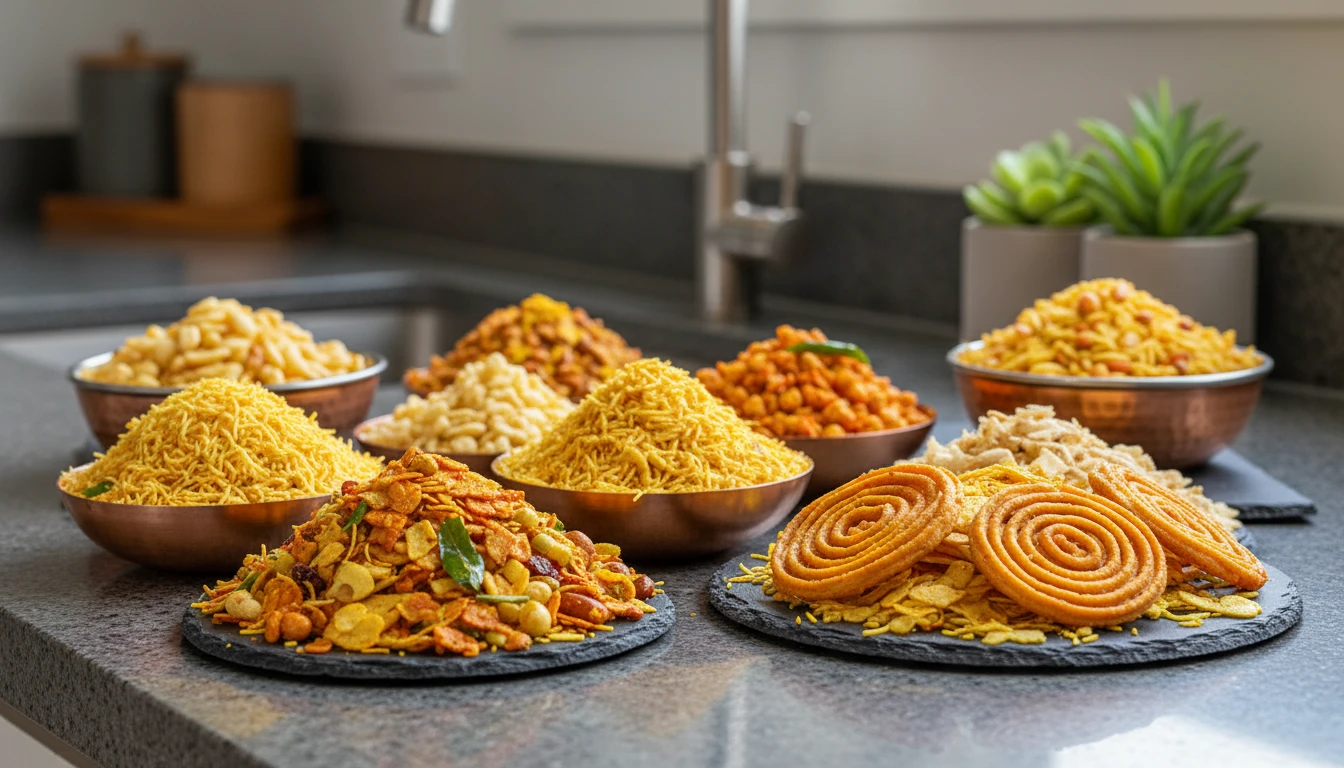
Beyond Bhujia: Adapting to Global Palates
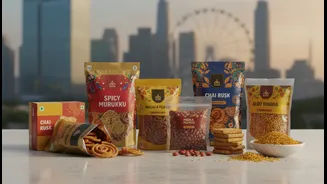
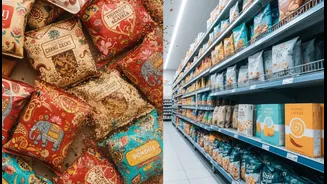
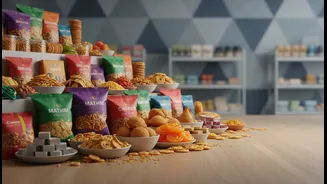
While the diaspora provides the launchpad, true growth comes from appealing to a broader, non-Indian audience. This is where local adaptation becomes key. Success requires more than just exporting the same product; it involves careful market research to understand regional preferences. This could mean adjusting spice levels, introducing new flavour profiles, or even creating fusion products that blend Indian tastes with international formats, like Indian-flavoured wraps or burgers. Packaging is another critical area of innovation. Brands have moved to modern, zip-lock pouches that extend shelf life and compete visually with international snack giants, making them more appealing on mainstream supermarket shelves.
A Strategic Recipe for Success
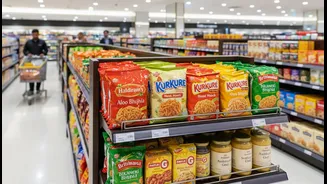
The journey from a local favourite to a global name is built on a sophisticated strategy. Major players like Haldiram's and Bikaji have invested heavily in building robust global supply chains, establishing international manufacturing facilities, and securing strategic partnerships. For instance, Haldiram's opened a plant in the UK to cater to the European market, while Bikaji recently invested millions in its US subsidiary to scale its distribution network. These moves are about more than just selling products; they are about building a long-term presence. By participating in international food expos and securing space in major retail chains like Walmart and Lulu, these brands are transitioning from niche ethnic aisles to the mainstream grocery cart.
Navigating the Challenges of Expansion
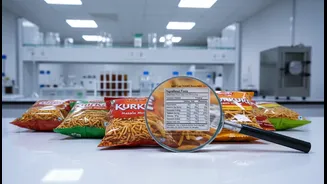
The path to global dominance is not without its hurdles. One of the most significant challenges is meeting the stringent food safety and quality standards of international markets, particularly in Europe. Issues around pesticide residues and contaminants have led to rejections of Indian food products, highlighting the need for stricter quality control from farm to port. Furthermore, competition is fierce, not just from local snack brands but also from other international cuisines vying for consumer attention. Building trust with foreign consumers who may be unfamiliar with Indian brands is another slow, capital-intensive process that requires more than just a marketing campaign; it requires consistent quality and delivery on the brand's promise.
The Future of Indian Snacks is Fusion
Looking ahead, the future for Indian snack brands abroad seems bright and innovative. The trend is moving towards premiumization and health-conscious offerings. Snacks based on millets and ancient grains, which are often naturally gluten-free, are gaining traction in wellness-focused Western markets. The rise of ready-to-eat (RTE) meals and convenience foods also presents a massive opportunity. The ultimate goal, as seen in recent strategic partnerships, is to position Indian flavours not just as an ethnic alternative but as a mainstream choice. As global palates become more adventurous and the demand for authentic, diverse culinary experiences grows, Indian snacks are well on their way to becoming a staple in snack bowls worldwide.