


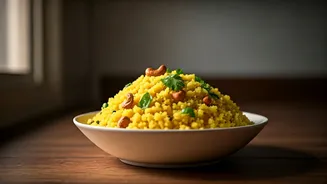


The Soul of Comfort Food
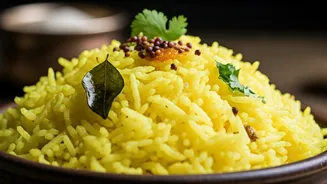
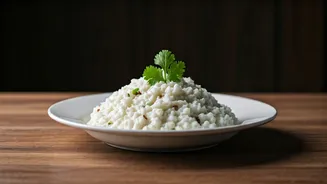
Known as thayir sadam in Tamil or daddojanam in Telugu, curd rice holds a cherished place in Indian cuisine, especially in the South. It’s a dish of beautiful contradictions: simple enough for a toddler’s first meal, yet complex enough to be offered as prasadam
in temples. Its magic lies in its simplicity, but achieving the perfect texture and flavour—creamy, not sticky; tangy, not sour; cool, not cold—is an art form. Forget the clumpy, overly sour versions you may have encountered. We're talking about a celestial, velvety bowl of comfort that you can master at home. The secret isn't one single trick, but a series of small, crucial steps.
Secret 1: It Starts with the Rice
The foundation of exceptional curd rice is, unsurprisingly, the rice itself. The goal is a soft, almost porridge-like consistency. Use a short-grain variety like Sona Masuri. The key is to slightly overcook it. Use a little more water than you usually would (a 1:3 rice-to-water ratio in a pressure cooker is a good start). Once cooked, while the rice is still hot, mash it gently with the back of a ladle or a potato masher. This breaks down the starches and is the first step towards that coveted creamy texture. Do not let the rice cool down completely before mixing; warm rice absorbs the dairy much better, resulting in a seamless blend.
Secret 2: The Dairy Trinity
This is where the magic truly happens. To avoid the curd rice turning sour, especially if you're packing it for lunch, don't just use curd. Use a combination of fresh, thick, full-fat curd (yogurt) and boiled, cooled milk. First, add the milk to the warm, mashed rice and mix well. The milk adds richness, creaminess, and acts as a buffer against the curd's tang. Once the rice-milk mixture has cooled to room temperature, gently fold in the whisked curd. Never add curd to hot rice, as it can split and become watery. This two-step dairy process ensures your curd rice stays fresh and creamy for hours.
Secret 3: The Tempering (Tadka)
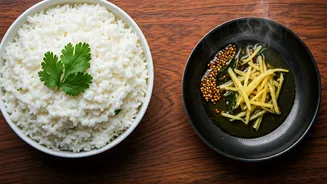
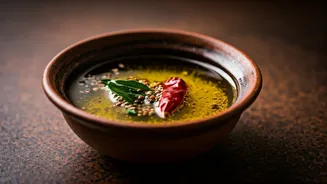
The tadka is not just a garnish; it's the flavour engine of your curd rice. This is where you introduce texture, aroma, and complexity. In a small pan, heat a spoonful of gingelly (sesame) oil or ghee. When it’s hot, add mustard seeds and let them splutter. Then, add urad dal and chana dal, frying until they turn a light golden brown—this provides a delightful crunch. Next, toss in finely chopped ginger, green chillies, and a pinch of asafoetida (hing), which is essential for its unique aroma and digestive properties. Finally, add a sprig of fresh curry leaves. Let them sizzle for a few seconds, then pour this fragrant, sputtering mixture directly over your prepared curd rice. Mix it all in, saving a little for garnish if you like.
The Ultimate Recipe
Ingredients:
- 1 cup short-grain rice (like Sona Masuri)
- 3 cups water (for cooking rice)
- 1 cup boiled milk, cooled to room temperature
- 1.5 cups fresh, thick curd (yogurt), whisked
- Salt to taste
For the Tadka:
- 1 tbsp oil or ghee
- 1 tsp mustard seeds
- 1 tsp urad dal
- 1 tsp chana dal (optional)
- 1 inch ginger, finely chopped
- 1-2 green chillies, finely chopped
- A generous pinch of asafoetida (hing)
- 1 sprig curry leaves
Optional Garnish:
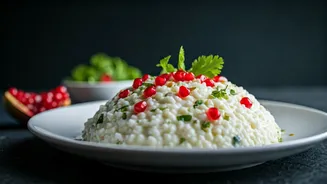
- 2 tbsp pomegranate seeds
- 2 tbsp finely grated carrot or cucumber
- Fresh coriander leaves
Method:
1. Cook the rice with water in a pressure cooker until soft and mushy.
2. While the rice is still hot, mash it well with a ladle.
3. Pour in the room-temperature milk and salt. Mix thoroughly until you have a creamy, porridge-like consistency. Let this mixture cool down completely.
4. Once cooled, add the whisked curd and mix gently until well combined.
5. Prepare the tadka: Heat oil in a small pan. Add mustard seeds. Once they pop, add the dals and fry until golden. Add ginger, chillies, hing, and curry leaves. Sauté for 30 seconds.
6. Pour the hot tadka over the curd rice and mix well.
7. Garnish with pomegranate seeds, grated carrots, or coriander before serving.